Sep 23 2020

Govt. Services Firm Tyler Technologies Hit in Apparent Ransomware Attack

Category: RansomwareDISC @ 11:23 pm

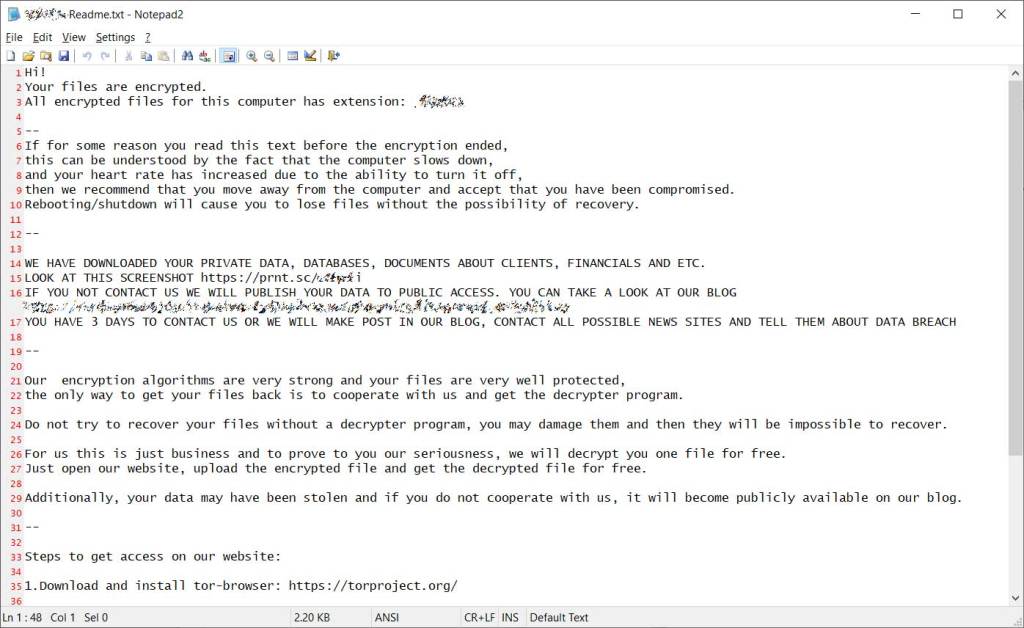
Tyler Technologies, a Texas-based company that bills itself as the largest provider of software and technology services to the United States public sector, is battling a network intrusion that has disrupted its operations. The company declined to discuss the exact cause of the disruption, but their response so far is straight out of the playbook…

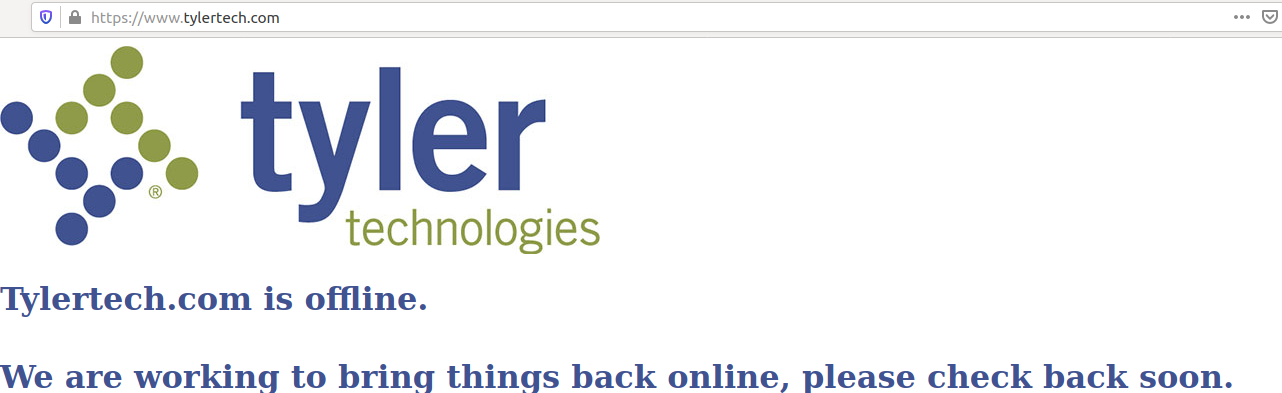
Earlier today, the normal content on tylertech.com was replaced with a notice saying the site was offline. In a statement provided to KrebsOnSecurity after the markets closed central time, Tyler Tech said early this morning the company became aware that an unauthorized intruder had gained access to its phone and information technology systems.

“Upon discovery and out of an abundance of caution, we shut down points of access to external systems and immediately began investigating and remediating the problem,” Tyler’s Chief Information Officer Matt Bieri said. “We have since engaged outside IT security and forensics experts to conduct a detailed review and help us securely restore affected equipment. We are implementing enhanced monitoring systems, and we have notified law enforcement.”

“At this time and based on the evidence available to us to-date, all indications are that the impact of this incident is limited to our internal network and phone systems,” their statement continues. “We currently have no reason to believe that any client data, client servers, or hosted systems were affected.”

Source: Govt. Services Firm Tyler Technologies Hit in Apparent Ransomware Attack


Sep 22 2020

Operation DisrupTor: police arrested 179 vendors engaged in the sale of illicit good

Category: CybercrimeDISC @ 1:54 pm

A global police sting dubbed Operation DisrupTor targeted vendors and buyers of illicit goods on the dark web, Europol announced.

Source: Operation DisrupTor: police arrested 179 vendors engaged in the sale of illicit good – Security Affairs

Security Risk assessment Quiz – Find Out How Your security risk assessment Stands Up!

Download a Security Risk Assessment Steps paper!

DISC InfoSec 🔒 securing the business 🔒 via latest InfoSec titles

Subscribe to DISC InfoSec blog by Email

👉 Download a Virtual CISO (#vCISO) and Security Advisory Fact Sheet & Cybersecurity Cheat Sheet


Sep 21 2020

Guard your data with these privacy-focused search engines & browsers

Category: Information Privacy,Web SecurityDISC @ 12:11 pm

Tracking allows the companies to improve their algorithm and app experience, but this experience comes at the cost of your digital data. In this guide, we’re going to focus on the search engines and browsers that you’ll want to use if you care about your online privacy.

Popular search engines and browsers do a great job at finding and browsing content on the web, but can do a better job at protecting your privacy while doing so.

With your data being the digital currency of our times, websites, advertisers, browsers, and search engines track your behavior your on the web to deliver tailored advertising, improve their algorithms, or improve their services.

Privacy-focused search engines

Below are the best privacy-focused search engines that do not track your searchers or display advertisements based on your cookies or interests.

Source: Guard your data with these privacy-focused search engines & browsers


Download a Security Risk Assessment Steps paper!

Security Risk assessment Quiz – Find Out How Your security risk assessment Stands Up!

DISC InfoSec 🔒 securing the business 🔒 via latest InfoSec titles

Subscribe to DISC InfoSec blog by Email

👉 Download a Virtual CISO (#vCISO) and Security Advisory Fact Sheet & Cybersecurity Cheat Sheet


Sep 17 2020

iOS 14 default app settings automatically reset to Mail and Safari after reboot – 9to5Mac

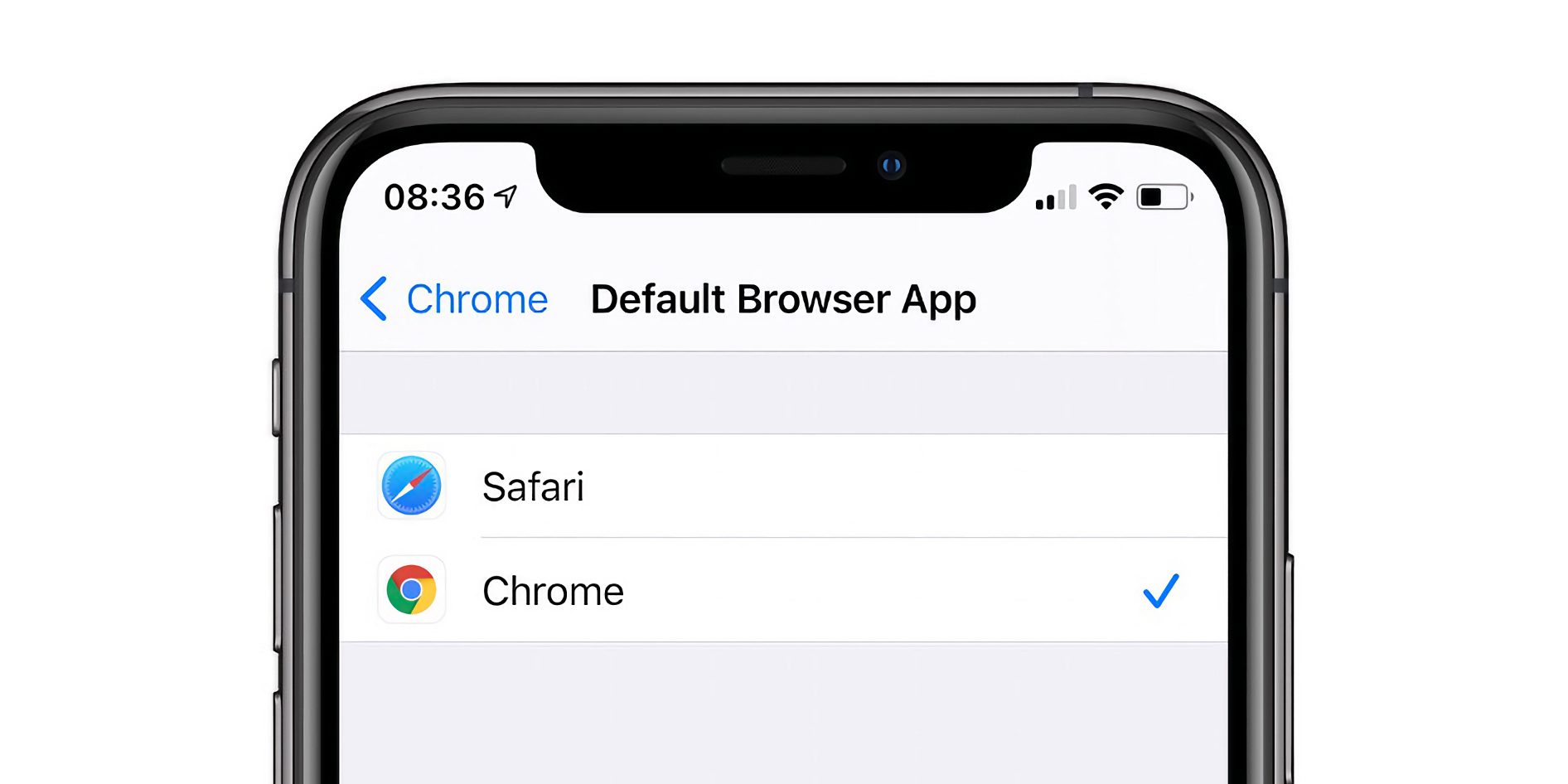
One of the new features in iOS 14 is the ability to change the default email or browser app to a third-party alternative such as Chrome, Edge, or Outlook. A bug in the first public release of iOS 14, however, causes your default browser or mail app setting to reset to Mail or Safari when […]

Source: iOS 14 default app settings automatically reset to Mail and Safari after reboot – 9to5Mac

In the version of iOS 14 released to the public this week, there is a massive caveat to the new default browser and settings. If you reboot your iPhone or iPad, the default app setting will reset to Apple’s first-party Mail and Safari applications.

What this means is that if you set Chrome as the default browser, but then your iPhone dies or you need to reboot it, Safari will once again become the default browser app until you go back into the Settings app and make the change again. The same applies to email apps such as Microsoft Outlook and Spark as well.

This is almost certainly some sort of bug on Apple’s side, because it is affecting email and browser apps from multiple companies including Google, Microsoft, and Readdle. On Twitter, a Google Chrome engineer has acknowledged the problem, though the ball is likely in Apple’s court to roll out some sort of fix — unless this is bizarrely the intended behavior.


Sep 16 2020

Privacy-focused search engine DuckDuckGo is growing fast

Category: Information PrivacyDISC @ 10:47 pm

DuckDuckGo, the privacy-focused search engine, announced that August 2020 ended in over 2 billion total searches via its search platform.

Source: Privacy-focused search engine DuckDuckGo is growing fast

Tags: DuckDuckGo, privacy concerns


Sep 15 2020

Russian hacker selling how-to vid on exploiting unsupported Magento installations to skim credit card details for $5,000

Category: HackingDISC @ 1:19 pm

Nearly 2,000 e-commerce shops pwned over weekend so it’s time to migrate

Source: Russian hacker selling how-to vid on exploiting unsupported Magento installations to skim credit card details for $5,000

Thousands of e-commerce stores built using Magento 1 have been poisoned with malicious code that steals customers’ bank card information as they enter their details to order stuff online.

Sansec, a software company focused on these so-called “digital skimming” attacks, discovered that 1,904 cyber-shops had been altered by miscreants over the weekend to include malicious JavaScript that siphoned off folks’ card info.

“This automated campaign is by far the largest one that Sansec has identified since it started monitoring in 2015,” it said in a statement on Monday. “The previous record was 962 hacked stores in a single day in July last year.”

The security biz estimated attackers have stolen personal data from “tens of thousands customers” so far. The intrusions can be traced back to a Magneto 1 zero-day exploit being sold by a Russian-speaking hacker going by the name “z3r0day” on a shady online forum.

For $5,000, z3r0day will show you a video on how to exploit a security hole in the web software to inject the digital-skimming code into an e-commerce site’s files so that the code is run when a customer goes to a payment page on the hijacked site. No authentication is required. The hacker promised not to sell the exploit to more than 10 people to keep it under wraps and valuable.

Unfortunately, the vulnerability isn’t easy to patch as the Adobe-owned Magento has ended support for the software. The best way to avoid such attacks is to migrate to Magento 2, a spokesperson from Sansec told El Reg. “Ideally they should upgrade to Magento 2, but we understand that merchants may need more time. Meanwhile, we recommend having server-side malware monitoring set up and to contract an alternative vendor for critical security patches.”

Techies at Sansec have studied two servers with IP addresses in the US and France that were targeted by crooks armed with z3r0day’s exploit. The payment details appear to have been funnelled through to a website hosted in Moscow. “We are not at liberty to disclose affected merchants. However, we have shared all relevant data with law enforcement today,” the Sansec spokesperson told us. ®

Sep 14 2020

CISA: Chinese state hackers are exploiting F5, Citrix, Pulse Secure, and Exchange bugs

Category: HackingDISC @ 2:47 pm

CISA says attacks have started a year ago and some have been successful.

Source: CISA: Chinese state hackers are exploiting F5, Citrix, Pulse Secure, and Exchange bugs | ZDNet


Chinese Hackers Working w/ Ministry of State Security Charged w/ Global Computer Intrusion Campaign
httpv://www.youtube.com/watch?v=b8zhLOnXDdY&ab_channel=TheJusticeDepartment


The Hacker and the State: Cyber Attacks and the New Normal of Geopolitics

Download a Security Risk Assessment Steps paper!

Security Risk assessment Quiz – Find Out How Your security risk assessment Stands Up!

DISC InfoSec 🔒 securing the business 🔒 via latest InfoSec titles

Subscribe to DISC InfoSec blog by Email

👉 Download a Virtual CISO (#vCISO) and Security Advisory Fact Sheet & Cybersecurity Cheat Sheet


Sep 12 2020

Don’t pay the ransom, mate. Don’t even fix a price, say Australia’s cyber security bods

Category: RansomwareDISC @ 1:35 pm

Better yet – do the basics and your systems won’t get encrypted in the first place

Source: Don’t pay the ransom, mate. Don’t even fix a price, say Australia’s cyber security bods

The infoseccers strongly advised against paying the criminals:

Paying a ransom does not guarantee decryption of data. Open source reporting indicates several instances where an entity paid the ransom but the keys to decrypt the data were not provided. The ACSC has also seen cases where the ransom was paid, the decryption keys were provided, but the adversary came back a few months later and deployed ransomware again. The likelihood that an Australian organizations will be retargeted increases with every successful ransom payment.

It is generally much easier and safer to restore data from a backup than attempting to decrypt ransomware affected data.

“Many of these [attacks] could have been avoided or substantially mitigated by good cyber security practices,” sighed the ACSC in the report (PDF, 18 pages), which covered the months July 2019-June 2020.


How to recover your system from a Ransomware attack
httpv://www.youtube.com/watch?v=kJuibb9QaWk&ab_channel=CSO


Download a Security Risk Assessment Steps paper!

Security Risk assessment Quiz – Find Out How Your security risk assessment Stands Up!

DISC InfoSec 🔒 securing the business 🔒 via latest InfoSec titles

Subscribe to DISC InfoSec blog by Email

👉 Download a Virtual CISO (#vCISO) and Security Advisory Fact Sheet & Cybersecurity Cheat Sheet


Sep 10 2020

Colocation data centers giant Equinix data hit by Netwalker Ransomware

Category: RansomwareDISC @ 2:56 pm

Equinix, one of the world’s largest providers of colocation data centers and Internet connection announced it was hit by Netwalker Ransomware.

Source: Colocation data centers giant Equinix data hit by Netwalker Ransomware

Equinix data center giant hit by Netwalker Ransomware, $4.5M ransom

Equinix Ransomware Attack Hits Company’s Internal Systems

Equinix Statement on Security Incident


Download a Security Risk Assessment Steps paper!

Security Risk assessment Quiz – Find Out How Your security risk assessment Stands Up!

DISC InfoSec 🔒 securing the business 🔒 via latest InfoSec titles

Subscribe to DISC InfoSec blog by Email

👉 Download a Virtual CISO (#vCISO) and Security Advisory Fact Sheet & Cybersecurity Cheat Sheet

Tags: Equinix, Equinix data center


Sep 09 2020

Remember the Titans: Yubico jangles new NFC and USB-C touting security key

Category: 2FADISC @ 2:55 pm

Apple crowd included – as NFC can now be used for something other than Apple Pay

Apple crowd included – as NFC can now be used for something other than Apple Pay

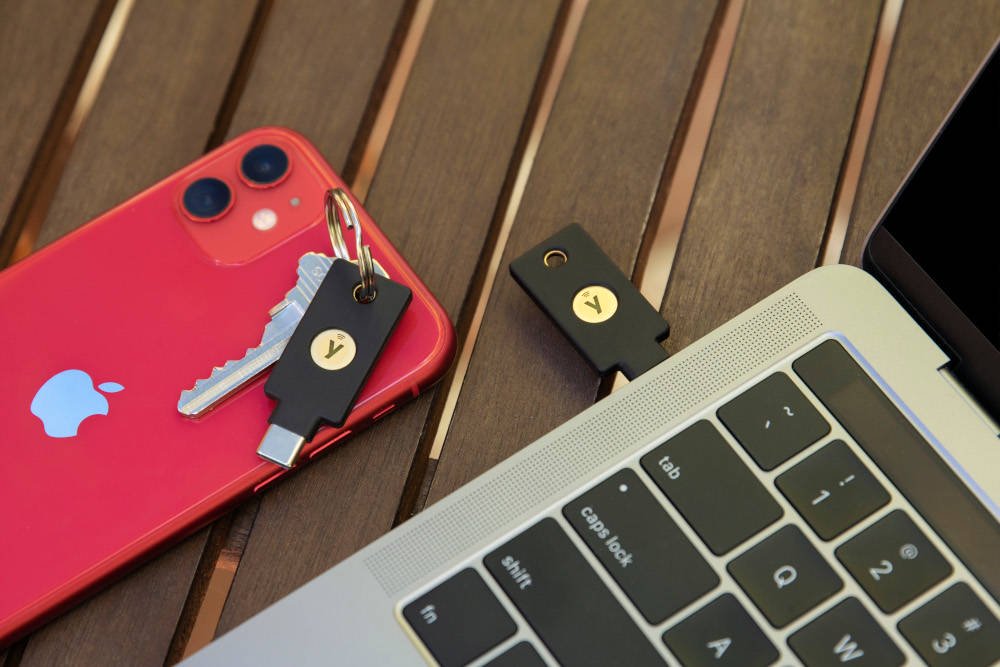
Security token biz Yubico has a new key out today, its latest-generation two-factor encryption (2FA) authentication unit, the Yubico 5C NFC, which includes support for PCs and mobile devices using USB-C, as well as a built-in NFC radio.

Previous generations of the Yubikey have had USB-C and NFC, but not in a complete package. The most recent NFC-touting device came with an old-school rectangular USB-A connector, liming its usefulness for new computers, which might not include them. The last model offering USB-C lacked NFC — although it did come with a built-in Lightning plug, effectively covering all the bases of the mobile market.

Source: Remember the Titans: Yubico jangles new NFC and USB-C touting security key

Yubikey 5C NFC


Sep 08 2020

Hackers use legit tool to take over Docker, Kubernetes platforms

Category: Security Breach,Security IncidentDISC @ 3:08 pm

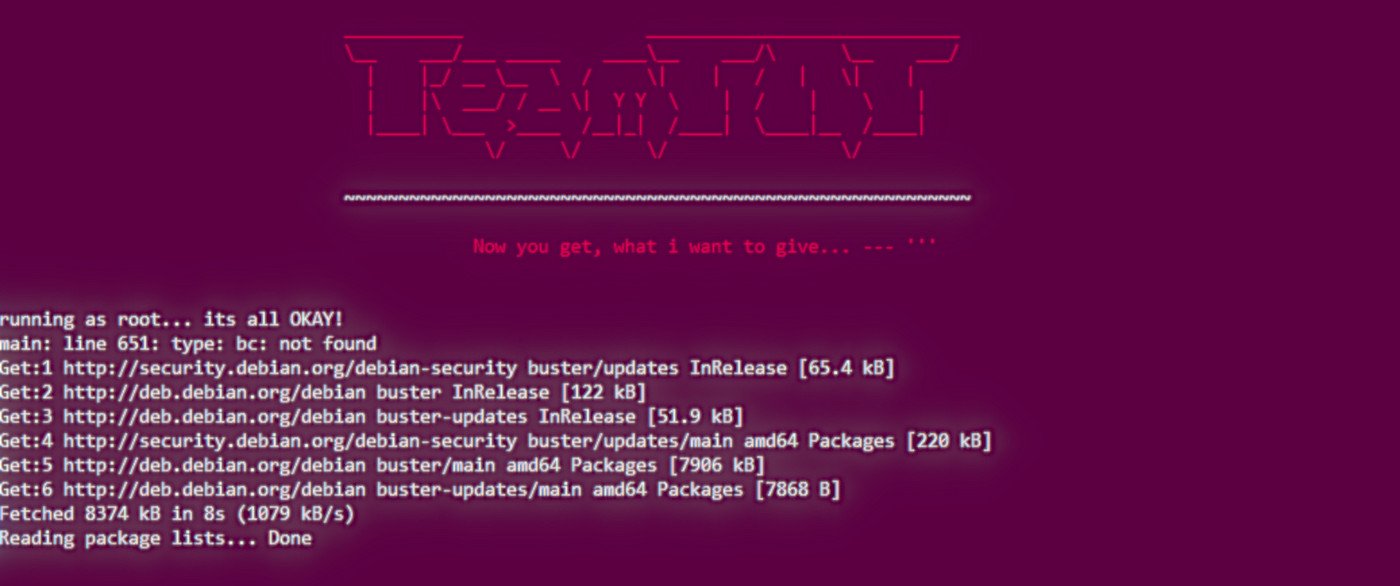
In a recent attack, cybercrime group TeamTNT relied on a legitimate tool to avoid deploying malicious code on compromised cloud infrastructure and still have a good grip on it.

Source: Hackers use legit tool to take over Docker, Kubernetes platforms

Misusing tool of the trade
Analyzing the attack, researchers at Intezer discovered that TeamTNT installed Weave Scope open-source tool to gain full control of the victim’s cloud infrastructure.

According to them, this may be the first time a legitimate third-party tool is abused to play the part of a backdoor in a cloud environment, also indicating the evolution of this particular group.

Weave Scope integrates seamlessly with Docker, Kubernetes, and the Distributed Cloud Operating System (DC/OS), and AWS Elastic Compute Cloud (ECS). It provides a complete map of processes, containers, and hosts on the server and control over installed applications.

“The attackers install this tool in order to map the cloud environment of their victim and execute system commands without deploying malicious code on the server,” Intezer notes in a report today.


Download a Security Risk Assessment Steps paper!

Security Risk assessment Quiz – Find Out How Your security risk assessment Stands Up!

DISC InfoSec 🔒 securing the business 🔒 via latest InfoSec titles

Subscribe to DISC InfoSec blog by Email

👉 Download a Virtual CISO (#vCISO) and Security Advisory Fact Sheet & Cybersecurity Cheat Sheet


Sep 02 2020

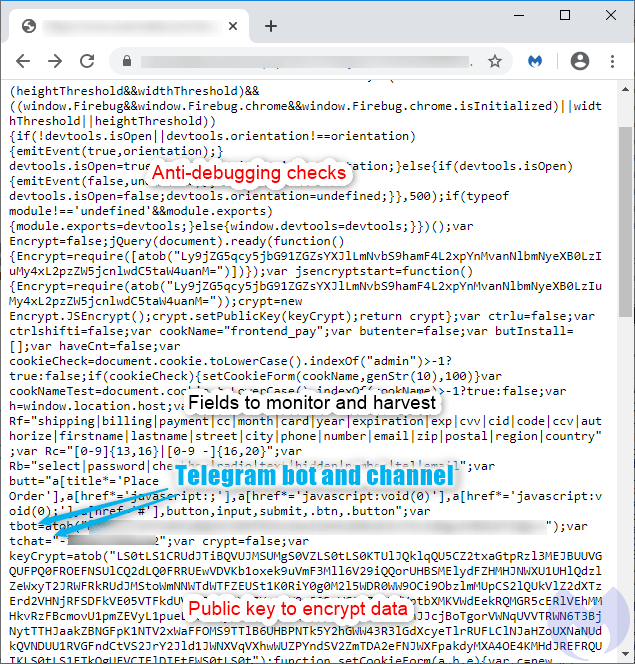
Hackers use e-skimmer that exfiltrates payment data via Telegram

Category: data securityDISC @ 9:17 pm

Experts observed a new tactic adopted by Magecart groups, they used Telegram to exfiltrate stolen payment details from compromised websites

Source: Hackers use e-skimmer that exfiltrates payment data via Telegram


CISA Webinar: E-Skimming
httpv://www.youtube.com/watch?v=ngJwm8ydYNI

This Is How Easy It Is To Get Hacked | VICE on HBO
httpv://www.youtube.com/watch?v=G2_5rPbUDNA


Download a Security Risk Assessment Steps paper!

Security Risk assessment Quiz – Find Out How Your security risk assessment Stands Up!

DISC InfoSec 🔒 securing the business 🔒 via latest InfoSec titles

Subscribe to DISC InfoSec blog by Email

👉 Download a Virtual CISO (#vCISO) and Security Advisory Fact Sheet & Cybersecurity Cheat Sheet

Tags: e-skimmer, exfiltrates data, Telegram


Sep 01 2020

Is China the World’s Greatest Cyber Power?

Category: cyber security,Cyber WarDISC @ 11:32 pm

While the US, Russia, Israel, and several European nations all have sophisticated cyber capabilities, one threat intelligence firm argues that China’s aggressive approach to cyber operations has made it perhaps the world’s greatest cyber power.

Source: Is China the World’s Greatest Cyber Power?

Is China the World’s Greatest Cyber Power?

“The goal is simple: break down trust in democracies, disrupt election cycles or manipulate democratic election results, and gain economic advantage over adversaries to advance global position and power,” according to the report.

“Over the past decade, China has become increasingly forthright in its intentions, and this change has been observed in cyber operations as well,” the report states. “Researchers have observed stark differences in tactics, tone, and behavior from Chinese state-sponsored cyber, military, and political parties over the past several years.”

“When it comes to China, cyber is not a tactical weapon, it is a strategic means to an end,” Maor says. “And if you are wondering what that end is, it is not something secret — it is something that is published every five years.”

There’s A Crisis That Is Quietly Creating New Economic Superpowers…
httpv://www.youtube.com/watch?v=h6GqEpmn_Fk

Tags: Cyber capabilities, cyber military, cyber operations, Cyber Power, Cyber Super Power, Greatest Cyber Power


Aug 31 2020

Hackers are backdooring QNAP NAS devices with 3-year old RCE bug

Category: Hacking,MalwareDISC @ 3:58 pm

Hackers are scanning for vulnerable network-attached storage (NAS) devices running multiple QNAP firmware versions, trying to exploit a remote code execution (RCE) vulnerability addressed by QNAP in a previous release.

Source: Hackers are backdooring QNAP NAS devices with 3-year old RCE bug


CISA says 62,000 QNAP NAS devices have been infected with the QSnatch malwareQSnatch malware, first spotted in late 2019, has grown from 7,000 bots to more than 62,000, according to a joint US CISA and UK NCSC security alert.


QSnatch And How To Protect Your QNAP NAS From Online Intruders

QNAP urges users to update Malware Remover after QSnatch alert

Tags: Backdoor, backdooring


Aug 29 2020

The Best DEF CON Talks Of All Time!

Category: HackingDISC @ 11:22 am

As the title of this post suggests we’ve sourced what we believe to be the best DEF CON presentations from 1993 to the present day. For those that don’t know, DEF CON is literally the ‘poster-child’

Source: The Best DEF CON Talks Of All Time!

Tags: DEF CON


Aug 28 2020

Cisco engineer resigns then nukes 16k WebEx accounts, 456 VMs

Category: Access Control,Information SecurityDISC @ 9:06 am

A former Cisco employee pleaded guilty to accessing the company’s cloud infrastructure in 2018, five months after resigning, to deploy code that led to the shut down of more than 16,000 WebEx Teams accounts and the deletion of 456 virtual machines.

According to a plea agreement filed on July 30, 2020, 30-year-old Sudhish Kasaba Ramesh accessed Cisco’s cloud infrastructure hosted on Amazon Web Services without permission on September 24, 2018 — he resigned from the company in April 2018.

Source: Cisco engineer resigns then nukes 16k WebEx accounts, 456 VMs

From Weakest Link to Human Firewall in Seven Days

Download a Security Risk Assessment Steps paper!

Security Risk assessment Quiz – Find Out How Your security risk assessment Stands Up!

DISC InfoSec 🔒 securing the business 🔒 via latest InfoSec titles

Subscribe to DISC InfoSec blog by Email

👉 Download a Virtual CISO (#vCISO) and Security Advisory Fact Sheet & Cybersecurity Cheat Sheet


Aug 26 2020

Safari Bug That Allows Stealing Data Disclosed After Apple Delays A Patch

Category: data security,Web SecurityDISC @ 10:37 pm

Apple planned to release a fix for the Safari bug by Spring 2021, delaying it for one year. The bug allows stealing local data files.

Source: Safari Bug That Allows Stealing Data Disclosed After Apple Delays A Patch


Data Loss/Leak Prevention | Security Basics
httpv://www.youtube.com/watch?v=5CU9KYA-sz8


Aug 25 2020

Expert discloses unpatched Safari flaw that allows stealing local files

Category: Security vulnerabilities,Web SecurityDISC @ 10:19 pm

A researcher disclosed technical details of an unpatched vulnerability in Apple’s Safari web browser that can be exploited to steal files from the targeted system.

Source: Expert discloses unpatched Safari flaw that allows stealing local files


Download a Security Risk Assessment Steps paper!

Security Risk assessment Quiz – Find Out How Your security risk assessment Stands Up!

DISC InfoSec 🔒 securing the business 🔒 via latest InfoSec titles

Subscribe to DISC InfoSec blog by Email

👉 Download a Virtual CISO (#vCISO) and Security Advisory Fact Sheet & Cybersecurity Cheat Sheet


Aug 24 2020

Google Urgently Fixed A Gmail Bug After Delaying It For Months

Category: Email SecurityDISC @ 10:51 am

Email spoofing Gmail bug could bypass SPF, DMARC checks. After 137 days of report, Google fixed the bug within 7 hours of public disclosure.

Source: Google Urgently Fixed A Gmail Bug After Delaying It For Months

How to secure your GMAIL account like a pro | YubiKey Tutorial
httpv://www.youtube.com/watch?v=CBE1Oua0j4I

Secure your login and protect your Gmail, Facebook, Dropbox, Outlook, LastPass, Dashlane, 1Password, accounts and more.

Download a Security Risk Assessment Steps paper!

Security Risk assessment Quiz – Find Out How Your security risk assessment Stands Up!

DISC InfoSec 🔒 securing the business 🔒 via latest InfoSec titles

Subscribe to DISC InfoSec blog by Email

👉 Download a Virtual CISO (#vCISO) and Security Advisory Fact Sheet & Cybersecurity Cheat Sheet


Aug 22 2020

New Vulnerability Could Put IoT Devices at Risk

Category: IoT SecurityDISC @ 11:36 am

A new vulnerability targets Thales, a leading maker of IoT components. Learn how the X-Force Red team identified the security flaw and best practices for addressing the risk.

Society relies so heavily on technology that the number of internet connected devices used globally is predicted to grow to 55.9 billion by 2025. Many of these devices span parts of Industrial Control Systems (ICS) that impact the physical world, assist us in our daily lives at home and monitor and automate everything from energy usage to machine maintenance at work. The potential to abuse these systems has already caught the eye of cybercriminals; according to the 2020 IBM X-Force Threat Intelligence Index, attacks against these systems increased over 2000% since 2018.

As part of their ongoing research, IBM’s team of hackers, X-Force Red, have discovered a new IoT vulnerability that can be exploited remotely. The manufacturer, Thales, has made a patch available for CVE-2020-15858 to customers since February 2020 and X-Force Red has been working together to ensure users are aware of the patch and taking steps to secure their systems.

Of the billions of smart devices in use today, Thales is one of leading makers of components that enable them to connect to the internet, securely store information and verify identities. Thales’ entire portfolio connects more than 3 billion things every year and more than 30,000 organizations rely on its solutions for everything from smart energy meters to medical monitoring devices and cars.

Source: New Vulnerability Could Put IoT Devices at Risk


How dangerous are IOT devices? | Yuval Elovici | TEDxBGU
httpv://www.youtube.com/watch?v=vgoX_m6Mkko


The IoT Architect’s Guide to Attainable Security and Privacy


Download a Security Risk Assessment Steps paper!

Security Risk assessment Quiz – Find Out How Your security risk assessment Stands Up!

DISC InfoSec 🔒 securing the business 🔒 via latest InfoSec titles

Subscribe to DISC InfoSec blog by Email

👉 Download a Virtual CISO (#vCISO) and Security Advisory Fact Sheet & Cybersecurity Cheat Sheet


« Previous PageNext Page »