InfoSec Compliance & AI Governance For over 20 years, DISC InfoSec has been a trusted voice for cybersecurity professionals—sharing practical insights, compliance strategies, and AI governance guidance to help you stay informed, connected, and secure in a rapidly evolving landscape.
The Strategic Synergy: ISO 27001 and ISO 42001 – A New Era in Governance
After years of working closely with global management standards, it’s deeply inspiring to witness organizations adopting what I believe to be one of the most transformative alliances in modern governance:ISO 27001 and the newly introduced ISO 42001.
ISO 42001, developed for AI Management Systems, was intentionally designed to align with the well-established information security framework of ISO 27001. This alignment wasn’t incidental—it was a deliberate acknowledgment that responsible AI governance cannot exist without a strong foundation of information security.
Together, these two standards create a governance model that is not only comprehensive but essential for the future:
ISO 27001 fortifies the integrity, confidentiality, and availability of data—ensuring that information is secure and trusted.
ISO 42001 builds on that by governing how AI systems use this data—ensuring those systems operate in a transparent, ethical, and accountable manner.
This integration empowers organizations to:
Extend trust from data protection to decision-making processes.
Safeguard digital assets while promoting responsible AI outcomes.
Bridge security, compliance, and ethical innovation under one cohesive framework.
In a world increasingly shaped by AI, the combined application of ISO 27001 and ISO 42001 is not just a best practice—it’s a strategic imperative.
High-level summary of the ISO/IEC 42001 Readiness Checklist
1. Understand the Standard
Purchase and study ISO/IEC 42001 and related annexes.
Familiarize yourself with AI-specific risks, controls, and life cycle processes.
Review complementary ISO standards (e.g., ISO 22989, 31000, 38507).
2. Define AI Governance
Create and align AI policies with organizational goals.
Assign roles, responsibilities, and allocate resources for AI systems.
Establish procedures to assess AI impacts and manage their life cycles.
Ensure transparency and communication with stakeholders.
3. Conduct Risk Assessment
Identify potential risks: data, security, privacy, ethics, compliance, and reputation.
Use Annex C for AI-specific risk scenarios.
4. Develop Documentation and Policies
Ensure AI policies are relevant, aligned with broader org policies, and kept up to date.
Maintain accessible, centralized documentation.
5. Plan and Implement AIMS (AI Management System)
Conduct a gap analysis with input from all departments.
Create a step-by-step implementation plan.
Deliver training and build monitoring systems.
6. Internal Audit and Management Review
Conduct internal audits to evaluate readiness.
Use management reviews and feedback to drive improvements.
Track and resolve non-conformities.
7. Prepare for and Undergo External Audit
Select a certified and reputable audit partner.
Hold pre-audit meetings and simulations.
Designate a central point of contact for auditors.
Address audit findings with action plans.
8. Focus on Continuous Improvement
Establish a team to monitor post-certification compliance.
Regularly review and enhance the AIMS.
Avoid major system changes during initial implementation.
Current Requirement in ISO 27001 ISO 27001 currently mandates that the SoA must include justifications for both the inclusion and exclusion of each Annex A control. This requirement is often interpreted to mean that organizations must provide individual reasoning for every control listed or omitted.
Guidance from ISO 27005:2022 ISO 27005:2022 clarifies that only controls identified through risk assessment and treatment planning should be included in the SoA. These controls are selected because they help reduce risk to acceptable levels. The guidance explicitly states that no further justification is necessary for their inclusion.
Exclusion Justification Also Redundant By extension, the only valid reason for excluding a control is that it was not identified as necessary in the risk treatment plan. If a control does not mitigate any identified risk, there is no need for it to appear in the SoA, and thus, no detailed justification is required.
Controls Must Be Risk-Driven Controls exist to manage or modify risks. Including or excluding them must be directly based on whether they are necessary for risk treatment. Requiring extra justification, separate from the risk assessment, is logically inconsistent with the function of controls within an ISMS.
Recommendation to Remove the Justification Requirement Given this risk-based logic, the recommendation is to eliminate the need for detailed justifications of inclusions or exclusions in the SoA. This requirement appears to be an error or legacy clause in ISO 27001 that contradicts more recent guidance.
Alignment with ISO 27005 and Future ISO 27003 This position aligns with ISO 27005:2022, which supports a simplified, risk-driven approach to the SoA. It is anticipated that the upcoming ISO 27003 update will reinforce this same guidance, helping to resolve the inconsistency across standards.
Practical Experience Supports the Change Despite popular belief, individualized justifications are not essential. The author has implemented many ISO 27001-certified ISMSs over the past decade without providing such justifications—and all achieved certification successfully.
Simplified SOA Approach Recommended The SOA should only list necessary controls derived from the risk assessment, with no additional rationale needed for inclusion or exclusion. Controls not identified as necessary should simply not be listed, and the SOA should remain tightly aligned with the risk treatment plan.
Continual improvement doesn’t necessarily entail significant expenses. Many enhancements can be achieved through regular internal audits, management reviews, and staff engagement. By fostering a culture of continuous improvement, organizations can maintain an ISMS that effectively addresses current and emerging information security risks, ensuring resilience and compliance with ISO 27001 standards.
At DISC InfoSec, we streamline the entire process—guiding you confidently through complex frameworks such as ISO 27001, and SOC 2.
Here’s how we help:
Conduct gap assessments to identify compliance challenges and control maturity
Deliver straightforward, practical steps for remediation with assigned responsibility
Ensure ongoing guidance to support continued compliance with standard
Confirm your security posture through risk assessments and penetration testing
Let’s set up a quick call to explore how we can make your cybersecurity compliance process easier.
ISO 27001 certification validates that your ISMS meets recognized security standards and builds trust with customers by demonstrating a strong commitment to protecting information.
Feel free to get in touch if you have any questions about the ISO 27001 Internal audit or certification process.
Successfully completing your ISO 27001 audit confirms that your Information Security Management System (ISMS) meets the required standards and assures your customers of your commitment to security.
Get in touch with us to begin your ISO 27001 audit today.
ISO 27001 is an internationally recognized standard for establishing an Information Security Management System (ISMS) that protects an organization’s information assets. The standard lays out a structured, systematic approach to information security: it explicitly defines requirements that cover people, processes, and technology, and it is built on a risk-based management process. In other words, ISO 27001 requires an organization to identify its critical data and assets, assess the risks to them, and implement controls to mitigate those risks. As the AuditBoard blog explains, ISO 27001 “provid[es] a systematic approach to managing sensitive company information, and ensuring its confidentiality, integrity, and availability,” and “employ[s] a risk-based management process”. By achieving ISO 27001 certification, a company demonstrates its commitment to security best practices and gains “improved risk management” capabilities. In practice, this means ISO 27001 embeds risk reduction into the company’s daily operations: the organization is continually considering where its vulnerabilities lie and how to address them. This alignment of policy and process with identified risks helps prevent incidents that could lead to breaches or financial losses (outcomes the blog warns are costly for non-compliant companies).
A core principle of ISO 27001 is systematic risk assessment. The standard mandates that organizations catalog information assets and regularly evaluate threats and vulnerabilities to those assets. This formal risk assessment process – often codified as a risk register – forces management to confront what could go wrong, estimate the likelihood and impact of each threat, and then select controls to lower that risk. The AuditBoard article highlights that effective compliance “starts with a deep understanding of your organization’s unique risk profile” through “comprehensive risk assessments that identify, analyze, and prioritize potential security threats and vulnerabilities”. By building this into the ISMS, ISO 27001 ensures that controls are not applied haphazardly but are directly tied to the organization’s actual threat landscape. In short, ISO 27001’s risk-based approach means the organization is proactively scanning for problems, rather than only reacting after a breach occurs. This systematic identification and treatment of risks measurably lowers the chance that a threat will go unnoticed and turn into a serious incident.
Another key principle of ISO 27001 is continual improvement of the security program. ISO 27001 is inherently iterative: it follows the Plan–Do–Check–Act cycle, which requires the organization to plan security controls, implement them, monitor and review their effectiveness, and act on the findings to improve. In practice, this means an ISO 27001–certified organization must regularly review and update its security policies and controls to keep pace with new threats. The AuditBoard blog emphasizes this proactive stance: it notes that maintaining compliance “encourages businesses to regularly review and update their security policies, practices, and systems,” allowing the organization to adapt to evolving threats and maintain “long-term resilience”. Furthermore, ISO 27001 requires ongoing monitoring and measurement of the ISMS. Automated monitoring tools, for example, can detect anomalies or intrusions in real time. The blog underlines that such continuous monitoring “strengthens an organization’s security posture” by enabling a quick response to new risks. By continuously detecting issues and feeding back lessons learned, an ISO 27001 ISMS avoids stagnation: it evolves as the threat landscape evolves. This dedication to continual assessment and enhancement means that security controls are always improving, which keeps residual risk as low as possible over time.
ISO 27001 also enforces organizational accountability for security. It requires that top management be directly involved in the ISMS: leaders must establish a clear security policy, assign roles and responsibilities, and ensure adequate resources are available for security. Every risk and control must have an owner. The AuditBoard article reinforces this by stressing the importance of a cross-functional security team and collaboration among IT, legal, HR, and business units. In an ISO 27001 context, this means everyone from the CISO to line managers shares responsibility for protecting data. Accountability is further ensured through documentation: ISO 27001 demands thorough records of all security processes. The blog points out that maintaining “comprehensive records of risk assessments, security controls, training activities, and incident response efforts” provides clear evidence of compliance and highlights where improvements are needed. This audit trail makes the organization’s security posture transparent to auditors and stakeholders. In effect, ISO 27001 turns vague good intentions into concrete, assigned tasks and documented procedures, so that it is always possible to trace who did what, and to hold the organization accountable for gaps or successes alike.
By combining these elements – structured risk analysis, continuous improvement, and built-in accountability – ISO 27001 compliance significantly reduces overall organizational risk. The AuditBoard blog summarizes the core idea of compliance in cybersecurity as a security framework that can withstand emerging threats, noting that adherence to standards “ensures that organizations protect their data and build trust by demonstrating their commitment to information security”. In practical terms, this means a company with an ISO 27001 ISMS is far better equipped to prevent the “significant consequences” of non-compliance – such as data breaches, financial losses, and reputational damage. By embedding a risk-based approach into daily routines and maintaining a culture of vigilance and responsibility, ISO 27001 helps an organization identify issues early and handle them before they become disasters. Ultimately, this strong, systematic compliance posture not only shields sensitive information, but also saves the company from costly incidents – improving its bottom line and competitive standing (as noted, certification can confer a competitive edge and “improved risk management”). In summary, ISO 27001 reduces risk by making effective information security practices a formal, organization-wide process that is continuously managed and improved.
Continual improvement doesn’t necessarily entail significant expenses. Many enhancements can be achieved through regular internal audits, management reviews, and staff engagement. By fostering a culture of continuous improvement, organizations can maintain an ISMS that effectively addresses current and emerging information security risks, ensuring resilience and compliance with ISO 27001 standards.
At DISC InfoSec, we streamline the entire process—guiding you confidently through complex frameworks such as ISO 27001, and SOC 2.
Here’s how we help:
Conduct gap assessments to identify compliance challenges and control maturity
Deliver straightforward, practical steps for remediation with assigned responsibility
Ensure ongoing guidance to support continued compliance with standard
Confirm your security posture through risk assessments and penetration testing
Let’s set up a quick call to explore how we can make your cybersecurity compliance process easier.
Feel free to get in touch if you have any questions about the ISO 27001 Internal audit or certification process.
Successfully completing your ISO 27001 audit confirms that your Information Security Management System (ISMS) meets the required standards and assures your customers of your commitment to security.
Get in touch with us to begin your ISO 27001 audit today.
The document “Step-by-Step Explanation of ISO 27001/ISO 27005 Risk Management” by Advisera Expert Solutions offers a comprehensive guide to implementing effective information security risk management in alignment with ISO 27001 and ISO 27005 standards. It aims to demystify the process, providing practical steps for organizations to identify, assess, and treat information security risks efficiently. Advisera
1. Introduction to Risk Management
Risk management is essential for organizations to maintain competitiveness and achieve objectives. It involves identifying, evaluating, and treating risks, particularly those related to information security. The document emphasizes that while risk management can be complex, it doesn’t have to be unnecessarily complicated. By adopting structured methodologies, organizations can manage risks effectively without excessive complexity.
2. Six Basic Steps of ISO 27001 Risk Assessment and Treatment
The risk management process is broken down into six fundamental steps:
Risk Assessment Methodology: Establishing consistent rules for conducting risk assessments across the organization.
Risk Assessment Implementation: Identifying potential problems, analyzing, and evaluating risks to determine which need treatment.
Risk Treatment Implementation: Developing cost-effective strategies to mitigate identified risks.
ISMS Risk Assessment Report: Documenting all activities undertaken during the risk assessment process.
Statement of Applicability: Summarizing the results of risk treatment and serving as a key document for auditors.
Risk Treatment Plan: Outlining the implementation of controls, including responsibilities, timelines, and budgets.
Management approval is crucial for the Risk Treatment Plan to ensure the necessary resources and commitment for implementation.
3. Crafting the Risk Assessment Methodology
Developing a clear risk assessment methodology is vital. This involves defining how risks will be identified, analyzed, and evaluated. The methodology should ensure consistency and objectivity, allowing for repeatable and comparable assessments. It should also align with the organization’s context, considering its specific needs and risk appetite.
4. Identifying Risks: Assets, Threats, and Vulnerabilities
Effective risk identification requires understanding the organization’s assets, potential threats, and vulnerabilities. This step involves creating an inventory of information assets and analyzing how they could be compromised. By mapping threats and vulnerabilities to assets, organizations can pinpoint specific risks that need to be addressed.
5. Assessing Consequences and Likelihood
Once risks are identified, assessing their potential impact and the likelihood of occurrence is essential. This evaluation helps prioritize risks based on their severity and probability, guiding the organization in focusing its resources on the most significant threats. Both qualitative and quantitative methods can be employed to assess risks effectively.
6. Implementing Risk Treatment Strategies
After assessing risks, organizations must decide on appropriate treatment strategies. Options include avoiding, transferring, mitigating, or accepting risks. Selecting suitable controls from ISO 27001 Annex A and integrating them into the Risk Treatment Plan ensures that identified risks are managed appropriately. The plan should detail the implementation process, including responsible parties and timelines.
7. Importance of Documentation and Continuous Improvement
Documentation plays a critical role in the risk management process. The ISMS Risk Assessment Report and Statement of Applicability provide evidence of the organization’s risk management activities and decisions. These documents are essential for audits and ongoing monitoring. Furthermore, risk management should be a continuous process, with regular reviews and updates to adapt to changing threats and organizational contexts.
By following these structured steps, organizations can establish a robust risk management framework that aligns with ISO 27001 and ISO 27005 standards, enhancing their information security posture and resilience.
Continual improvement doesn’t necessarily entail significant expenses. Many enhancements can be achieved through regular internal audits, management reviews, and staff engagement. By fostering a culture of continuous improvement, organizations can maintain an ISMS that effectively addresses current and emerging information security risks, ensuring resilience and compliance with ISO 27001 standards.
At DISC InfoSec, we streamline the entire process—guiding you confidently through complex frameworks such as ISO 27001, and SOC 2.
Here’s how we help:
Conduct gap assessments to identify compliance challenges and control maturity
Deliver straightforward, practical steps for remediation with assigned responsibility
Ensure ongoing guidance to support continued compliance with standard
Confirm your security posture through risk assessments and penetration testing
Let’s set up a quick call to explore how we can make your cybersecurity compliance process easier.
Feel free to get in touch if you have any questions about the ISO 27001 Internal audit or certification process.
Successfully completing your ISO 27001 audit confirms that your Information Security Management System (ISMS) meets the required standards and assures your customers of your commitment to security.
Get in touch with us to begin your ISO 27001 audit today.
The release of ISO 27001:2022 introduces key updates, especially in Annex A, which includes 11 new controls, focusing on areas such as cloud service security, business continuity, and threat intelligence. Organizations must transition to the new version by October 2025. While some existing measures might align with these controls, others, like cloud exit strategies or testing business continuity plans, often need further attention. It’s critical for companies to evaluate their processes against these changes to ensure compliance and enhance their security posture.
Continual improvement doesn’t necessarily entail significant expenses. Many enhancements can be achieved through regular internal audits, management reviews, and staff engagement. By fostering a culture of continuous improvement, organizations can maintain an ISMS that effectively addresses current and emerging information security risks, ensuring resilience and compliance with ISO 27001 standards.
At DISC InfoSec, we streamline the entire process—guiding you confidently through complex frameworks such as ISO 27001, SOC 2
Here’s how we help:
Conduct gap assessments to identify compliance challenges and control maturity
Deliver straightforward, practical steps for remediation with assigned responsibility
Ensure ongoing guidance to support continued compliance with standard
Confirm your security posture through risk assessments and penetration testing
Let’s set up a quick call to explore how we can make your cybersecurity compliance process easier.
Feel free to get in touch if you have any questions about the ISO 27001 Internal audit or certification process.
Successfully completing your ISO 27001 audit confirms that your Information Security Management System (ISMS) meets the required standards and assures your customers of your commitment to security.
Get in touch with us to begin your ISO 27001 audit today.
Maintaining an effective Information Security Management System (ISMS) under ISO 27001 necessitates ongoing evaluation and enhancement. Clause 10 of the standard emphasizes the importance of continual improvement to ensure that security measures remain robust and aligned with organizational objectives. This involves regularly monitoring the effectiveness of implemented controls, measuring their performance against set objectives, and making necessary adjustments to address evolving information security risks.
The dynamic nature of information security threats, particularly in the cyber realm, requires organizations to be proactive. Cybercriminals continually develop new tools and methods, making it imperative for organizations to adapt their defenses accordingly. Additionally, as organizations evolve, new risks may emerge, and existing ones may change, underscoring the need for continuous assessment and refinement of security measures.
ISO 27001’s Clause 10.1 mandates organizations to continually improve the suitability, adequacy, and effectiveness of their ISMS. This can be achieved by identifying opportunities for enhancement during management reviews and through the nonconformity and corrective action processes outlined in Clause 10.2. Regular internal audits and management reviews play a crucial role in this continual improvement cycle.
Nonconformities within an ISMS are categorized into three types: major nonconformities, minor nonconformities, and opportunities for improvement (OFIs). Major nonconformities indicate significant failures, such as the absence of a critical process like risk assessment. Minor nonconformities refer to partial compliance with some deficiencies that don’t critically harm the ISMS’s operation. OFIs highlight minor issues that aren’t currently problematic but could become so in the future. Identifying these nonconformities typically occurs through internal audits, monitoring, and analysis of logs or records.
Upon identifying a nonconformity, organizations are required to take corrective actions. This involves reacting to the nonconformity, determining its cause, and implementing measures to prevent its recurrence. The effectiveness of these corrective actions should be reviewed, and all related activities must be documented to demonstrate compliance and facilitate ongoing improvement.
Continual improvement doesn’t necessarily entail significant expenses. Many enhancements can be achieved through regular internal audits, management reviews, and staff engagement. By fostering a culture of continuous improvement, organizations can maintain an ISMS that effectively addresses current and emerging information security risks, ensuring resilience and compliance with ISO 27001 standards.
Feel free to get in touch if you have any questions about the ISO 27001 Internal audit or certification process.
Successfully completing your ISO 27001 audit confirms that your Information Security Management System (ISMS) meets the required standards and assures your customers of your commitment to security.
Get in touch with us to begin your ISO 27001 audit today.
ISO 27001:2022 is the international standard for information security management systems (ISMS), providing a framework for organizations to identify and address information security risks. While clauses 4–10 outline the broader ISMS requirements, Annex A offers a detailed list of 93 security controls categorized into four themes: Organizational, People, Physical, and Technological. This structure differs from the 2013 version, which contained 114 controls across 14 domains.
The Organizational category comprises 37 controls focusing on policies, procedures, and responsibilities essential for effective information security. These include establishing an information security policy, defining management responsibilities, maintaining contact with authorities, gathering threat intelligence, classifying information, managing identity and access, and overseeing asset management.
The People category encompasses 8 controls addressing the human element of information security. Key aspects involve conducting pre-employment screening, providing staff awareness training, implementing contracts and non-disclosure agreements (NDAs), managing remote working arrangements, and establishing procedures for reporting security events.
The Physical category contains 14 controls that pertain to securing the physical environment of the ISMS. These controls cover areas such as defining security perimeters and secure areas, enforcing clear desk and screen policies, ensuring the reliability of supporting utilities, securing cabling infrastructure, and maintaining equipment properly.
The Technological category includes 34 controls related to the digital aspects of information security. This encompasses implementing malware protection, establishing backup procedures, conducting logging and monitoring activities, ensuring network security and segregation, and adhering to secure development and coding practices.
Selecting appropriate Annex A controls should be based on an organization’s specific risk assessment. After identifying relevant controls, organizations compare them against Annex A to ensure comprehensive risk coverage. Any exclusions of Annex A controls must be justified and documented in the Statement of Applicability (SoA).
The SoA is a critical document within the ISMS, listing all Annex A controls along with justifications for their inclusion or exclusion and their implementation status. It should also incorporate any additional controls from other frameworks or those developed internally. Maintaining the SoA with version control and regular reviews is essential, as it plays a significant role during certification and surveillance audits conducted by certification bodies.
Understanding the distinctions between ISO 27001’s Annex A and ISO 27002 is important. While Annex A provides a concise list of controls, ISO 27002 offers detailed implementation guidance for these controls, assisting organizations in effectively applying them within their ISMS.
Reach out to us for a free high-level assessment of your organization against ISO 27002 controls.
“The SOA can easily be produced by examining the risk assessment to identify the necessary controls and risk treatment plan to identify those that are planned to be implemented. Only controls identified in the risk assessment can be included in the SOA. Controls cannot be added to the SOA independent of the risk assessment. There should be consistency between the controls necessary to realize selected risk treatment options and the SOA. The SOA can state that the justification for the inclusion of a control is the same for all controls and that they have been identified in the risk assessment as necessary to treat one or more risks to an acceptable level. No further justification for the inclusion of a control is needed for any of the controls.”
This paragraph from ISO 27005 explains the relationship between the Statement of Applicability (SoA) and the risk assessment process in an ISO 27001-based Information Security Management System (ISMS). Here’s a breakdown of the key points:
SoA Derivation from Risk Assessment
The SoA must be based on the risk assessment and risk treatment plan.
It should only include controls that were identified as necessary during the risk assessment.
Organizations cannot arbitrarily add controls to the SoA without a corresponding risk justification.
Consistency with Risk Treatment Plan
The SoA must align with the selected risk treatment options.
This ensures that the controls listed in the SoA effectively address the identified risks.
Justification for Controls
The SoA can state that all controls were chosen because they are necessary for risk treatment.
No separate or additional justification is needed for each individual control beyond its necessity in treating risks.
Why This Matters:
Ensures a risk-driven approach to control selection.
Prevents the arbitrary inclusion of unnecessary controls, which could lead to inefficiencies.
Helps in audits and compliance by clearly showing the link between risks, treatments, and controls.
Practical Example of SoA and Risk Assessment Linkage
Scenario:
A company conducts a risk assessment as part of its ISO 27001 implementation and identifies the following risk:
Risk: Unauthorized access to sensitive customer data due to weak authentication mechanisms.
Risk Level: High
Risk Treatment Plan: Implement multi-factor authentication (MFA) to reduce the risk to an acceptable level.
How This Affects the SoA:
Control Selection:
The company refers to Annex A of ISO 27001 and identifies Control A.9.4.1 (Use of Secure Authentication Mechanisms) as necessary to mitigate the risk.
This control is added to the SoA because the risk assessment identified it as necessary.
Justification in the SoA:
The SoA will list A.9.4.1 – Secure Authentication Mechanisms as an included control.
The justification can be: “This control has been identified as necessary in the risk assessment to mitigate the risk of unauthorized access to customer data.”
No additional justification is needed because the link to the risk assessment is sufficient.
What Cannot Be Done:
The company cannot arbitrarily add a control, such as A.14.2.9 (Protection of Test Data), unless it was identified as necessary in the risk assessment.
Adding controls without risk justification would violate ISO 27005’s requirement for consistency.
Key Takeaways:
Every control in the SoA must be traceable to a risk.
The SoA cannot contain controls that were not justified in the risk assessment.
Justification for controls can be standardized, reducing documentation overhead.
This approach ensures that the ISMS remains risk-based, justifiable, and auditable.
ISO/IEC 27001:2022 is an internationally recognized standard for Information Security Management Systems (ISMS). It provides a structured framework to protect sensitive information through risk management, governance, and compliance. One of the key updates in the 2022 revision is the overhaul of Annex A, which outlines security controls essential for mitigating information security risks.
Annex A has been refined to align with modern security challenges, reducing the number of controls from 114 to 93. These controls are now grouped into four categories: organizational, people, physical, and technological. The restructuring enhances clarity and ensures a more effective implementation of security measures within organizations.
The revised framework emphasizes adaptability, encouraging organizations to assess their unique risk environments and apply relevant controls accordingly. Rather than a rigid checklist, Annex A serves as a flexible reference for tailoring security strategies to specific business needs, helping organizations build resilience against evolving threats.
Organizations adopting ISO/IEC 27001:2022 must update their security policies and procedures to reflect these changes. By integrating the revised Annex A controls, they can enhance their information security posture, meet compliance requirements, and safeguard critical data more efficiently in an increasingly complex cybersecurity landscape.
The document highlights the comprehensive vCISO (virtual Chief Information Security Officer) services offered by DISC LLC to help organizations build and strengthen their security programs. Here’s a summarized rephrasing:
Key Services:
InfoSec Consultancy: Tailored solutions to protect businesses from cyber threats.
Security Risk Assessment: Identifying and mitigating vulnerabilities in IT infrastructures.
Cybersecurity Risk Management: Proactively managing and reducing cyber risks.
ISO 27001 Compliance: Assistance in achieving certification through robust risk management.
ISMS Risk Management: Developing resilient Information Security Management Systems.
Approach:
DISC LLC specializes in bridging the gap between an organization’s current security posture (“as-is”) and its desired future state (“to-be”) through:
Gap assessments to evaluate maturity levels.
Strategic roadmaps for transitioning to a higher level of maturity.
Implementing essential policies, procedures, and defensive technologies.
Continuous testing, validation, and long-term improvements.
Why Choose DISC LLC?
Expertise from seasoned InfoSec professionals.
Customized, business-aligned security strategies.
Proactive risk detection and mitigation.
Their services also include compliance readiness, managed detection & response (MDR), offensive control validation (penetration testing), and oversight of security tools. DISC LLC emphasizes continuous improvement and building a secure future.
The second page outlines DISC LLC’s approach to revitalizing cybersecurity programs through their vCISO services, focusing on gap assessments, strategy development, and continuous improvement. Here’s a concise summary and rephrased version:
Key Highlights:
Assess Current State: Evaluate the “as-is” security maturity level and identify gaps compared to the desired “to-be” future state.
Define Objectives: Build a strong case for enhancing cybersecurity and set a clear vision for the organization’s future security posture.
Strategic Roadmap: Create a transition plan detailing the steps needed to achieve the target state, including technical, management, and operational controls.
Implementation:
Recruit key personnel.
Deploy essential policies, procedures, and defensive technologies (e.g., XDR, logs).
Establish critical metrics for performance tracking.
Continuous Improvement: Regular testing, validation, and strengthening of controls to reduce cyber risks and support long-term transformation.
Services Offered:
vCISO Services: Strategy and program leadership.
Gap Assessments: Identify and address security maturity gaps.
Compliance Readiness: Prepare for standards like ISO and NIST.
Offensive Control Validation: Penetration testing services.
DISC LLC emphasizes building a secure future through tailored solutions, ongoing program enhancement, and leveraging advanced technologies. For more details, they encourage reaching out via their provided contact information.
This table highlights the key differences between NIST CSF and ISO 27001:
Scope:
NIST CSF is tailored for U.S. federal agencies and organizations working with them.
ISO 27001 is for any international organization aiming to implement a strong Information Security Management System (ISMS).
Control Structure:
NIST CSF offers various control catalogues and focuses on three core components: the Core, Implementation Tiers, and Profiles.
ISO 27001 includes Annex A, which outlines 14 control categories with globally accepted best practices.
Audits and Certifications:
NIST CSF does not require audits or certifications.
ISO 27001 mandates independent audits and certifications.
Customization:
NIST CSF has five customizable functions for organizations to adapt the framework.
ISO 27001 follows ten standardized clauses to help organizations build and maintain their ISMS.
Cost:
NIST CSF is free to use.
ISO 27001 requires a fee to access its standards and guidelines.
In summary, NIST CSF may be flexible and free, whereas ISO 27001 provides a globally recognized certification framework for robust information security.
The article explores the true reasons companies pursue ISO 27001 certification, emphasizing that it’s not just about security. While the standard helps improve information security practices, businesses often seek certification to gain a competitive edge, meet client demands, or satisfy regulatory requirements. ISO 27001 also builds trust with stakeholders, demonstrates a commitment to data protection, and opens new market opportunities. Ultimately, the certification is as much about business strategy and reputation as it is about security.
Why ISO 27001 Is Essential for Thriving Businesses
The Growing Importance of ISO 27001 Data breaches, ransomware attacks, and increasing compliance requirements pose significant risks to businesses of all sizes. Without a structured approach to safeguarding sensitive data, organizations remain vulnerable. ISO 27001, the international standard for information security management, provides a proven framework to protect businesses and reassure stakeholders. Its structured methodology can address security gaps and mitigate risks effectively.
Sign 1: Rising Cybersecurity Threats With cyberattacks becoming more sophisticated, businesses of all sizes are targets. Small companies, in particular, face devastating consequences, as 60% fail within six months of a breach. ISO 27001 offers a systematic, risk-based approach to identify vulnerabilities, prioritize threats, and establish protective controls. For instance, an e-commerce company can use ISO 27001 to secure payment data, safeguard its reputation, and maintain customer trust.
Sign 2: Client Expectations for Security Assurance Clients and partners increasingly demand proof of robust security practices. Questions about how sensitive information is managed and requests for certifications highlight the need for ISO 27001. Certification not only enhances security but also demonstrates commitment to data protection, building trust and offering a competitive edge in industries like finance, healthcare, and technology. For example, a marketing agency could avoid losing key clients by implementing ISO 27001 to showcase its security measures.
Sign 3: Navigating Regulatory Challenges Strict regulations such as GDPR, PCI DSS, CPRA, and HIPAA mandate stringent data protection protocols. Non-compliance risks legal penalties, financial losses, and eroded customer trust. ISO 27001 simplifies compliance by aligning with various regulatory requirements while improving operational efficiency. For example, a software company handling EU data avoided GDPR fines by adopting ISO 27001, enabling regulatory compliance and global expansion.
Take Action Before It’s Too Late If your business faces inconsistent security practices, data breach fears, or rising regulatory pressures, ISO 27001 is the solution. Scalable and adaptable for organizations of any size, it ensures consistent security across teams, prevents breaches, and facilitates recovery when incidents occur. Starting with a gap analysis and prioritizing high-risk areas, ISO 27001 provides a strategic path to safeguarding your business, strengthening trust, and gaining a competitive edge. Don’t wait—start your journey toward ISO 27001 certification today.
Contact us to explore how we can turn security challenges into strategic advantages.
ISO 27001: Building a Culture of Security and Continuous Improvement
More Than Compliance ISO 27001 is not just a certification; it’s a framework that embeds security into the core of your organization, fostering trust, efficiency, and resilience.
Security as a Journey ISO 27001 promotes a proactive, continuous approach to security, adapting to ever-evolving cyber threats and embedding security as a company-wide mindset.
Key Practices for Continuous Improvement
Regular Risk Assessments: Periodically evaluate vulnerabilities and prioritize mitigation measures to stay ahead of potential threats.
Employee Engagement: Train employees to actively participate in protecting information and identifying risks early.
Performance Monitoring: Use metrics, audits, and reviews to refine and align security measures with business goals.
Incident Learning: Develop robust response plans, analyze incidents, and strengthen systems to prevent future issues.
Why a Security Culture Matters A strong security culture builds trust, fosters innovation, and enables safe adoption of technologies like cloud computing and remote work, giving organizations a competitive edge.
Practical Steps to Embed Security
Set Clear Objectives: Align ISO 27001 goals with business priorities like risk reduction and client trust.
Engage Leadership: Secure top management’s active participation to drive initiatives.
Integrate Security: Make security a shared responsibility across all departments.
Encourage Communication: Foster open discussions about security concerns and solutions.
Scale with Growth: Adjust security practices as your organization evolves.
Overcoming Challenges
Resistance to Change: Highlight benefits to gain employee buy-in.
Resource Constraints: Use a phased approach to certification.
Integration Complexity: Leverage common principles with other frameworks like ISO 9001 for seamless integration.
The Way Forward ISO 27001 isn’t just about protecting data—it’s about building trust, improving operations, and achieving competitive advantage. Start embedding its principles today for a stronger, more secure organization.
Contact us to explore how we can turn security challenges into strategic advantages.
The document highlights the integration of penetration testing within ISO 27001’s framework, emphasizing its critical role in identifying system vulnerabilities and maintaining security posture. It links pen testing to the standard’s risk management and continuous improvement principles, focusing on Annex A controls, such as Operations Security and Compliance.
It details the importance of scoping, balancing business needs with potential risks. The guide underscores embedding pen testing into broader risk assessment efforts to enhance resilience.
There are three stages in your ISMS project when penetration testing can make a significant contribution:
As part of the risk assessment process, to uncover vulnerabilities in any Internet-facing IP addresses, web applications or internal devices and applications, and link them to identifiable threats.
As part of the risk treatment plan, to ensure that security controls work as designed.
As part of the ongoing performance evaluation and improvement processes, to ensure that controls continue to work as required and that new and emerging vulnerabilities are identified and dealt with.
ISO 27001 says that you must identify information security risks within the scope of the ISMS (Clause 6.1.2.c). This involves identifying all assets and information systems within scope of the ISMS, and then identifying the risks and vulnerabilities those assets and systems are subject to.
A penetration test can help identify these risks and vulnerabilities. The results will highlight detected issues and guide remedial action, and are a key input for your risk assessment and treatment process. Once you understand the threats you face, you can make an informed decision when selecting controls.
For further details, access the full document here.
Contact us to explore how we can turn security challenges into strategic advantages.
ISO 27001 certification is essential for SaaS companies to ensure data protection and strengthen customer trust by securing their cloud environments. As SaaS providers often handle sensitive customer data, ISO 27001 offers a structured approach to manage security risks, covering areas such as access control, encryption, and operational security. This certification not only boosts credibility but also aligns with regulatory standards, enhancing competitive advantage.
The implementation process involves defining an Information Security Management System (ISMS) tailored to the company’s operations, identifying risks, and applying suitable security controls. Although achieving certification can be challenging, particularly for smaller businesses, ISO 27001’s framework helps SaaS companies standardize security practices and demonstrate compliance.
To maintain certification, SaaS providers must continuously monitor, audit, and update their ISMS to address emerging threats. Regular internal and external audits assess compliance and ensure the ISMS’s effectiveness in a constantly evolving security landscape. By following ISO 27001’s guidance, SaaS companies gain a proactive approach to security and data privacy, making them more resilient against breaches and other cybersecurity risks.
Moreover, ISO 27001 certification can be a decisive factor for clients evaluating SaaS providers, as it shows commitment to security and regulatory compliance. For many SaaS businesses, certification can streamline client acquisition and retention by addressing data privacy concerns proactively.
Ultimately, ISO 27001 provides SaaS companies with a competitive edge, instilling confidence in clients and partners. This certification reflects a company’s dedication to safeguarding customer data, thereby contributing to long-term growth and stability in the competitive SaaS market. For more information, you can visit the full article here.
Need expert guidance? Book a free 30-minute consultation with a ISO27k expert.
The ISO 27001 risk management guide provides a structured methodology for managing information security risks aligned with ISO standards. It first covers setting risk criteria, helping organizations define their risk appetite and identify high-priority assets and vulnerabilities. Risk assessment follows, where risks are quantified based on their likelihood and impact, allowing for prioritization.
The guide emphasizes the importance of treatment planning, advising on risk responses: avoidance, transfer, mitigation, or acceptance, with decisions documented for compliance. Documentation ensures transparency and traceability, forming a record of risk decisions.
A key component is regular review, where organizations reassess risks as threats change, supporting ISO 27001’s principle of continuous improvement. This cyclical approach helps keep the risk management framework adaptable and responsive to evolving security needs.
Additionally, the guide underscores the role of management, recommending their involvement in review and support of risk processes. Management buy-in ensures that security efforts align with strategic goals, encouraging organization-wide commitment.
In summary, the guide helps organizations maintain a robust, adaptive risk management system that meets ISO 27001 standards, enabling proactive risk control. For more detail, you can access the document here.
ISO 27001 certification is more than just a standard; it’s a powerful statement that transforms how your customers perceive your company. This certification represents an unwavering commitment to data security, acting as a digital shield for your business. By safeguarding your most valuable asset—your data—you build unshakeable trust with your customers, showing them that their information is safe in your hands.
Achieving ISO 27001 means your business isn’t just adhering to standards; it’s setting itself apart as a leader in data protection. This certification opens doors to new opportunities, enabling your business to thrive in an increasingly digital world. It’s about ensuring your business’s long-term sustainability and demonstrating a serious commitment to information security.
ISO 27001 is more than a quality seal; it sends a clear message to the world. It shows that your company prioritizes data protection, adheres to the best practices of information security, and reduces the risk of cyber incidents. It also signals that your business is trustworthy, boosting confidence among customers, suppliers, and business partners. This trust gives you a competitive edge, setting you apart from the competition and attracting new business opportunities.
In essence, ISO 27001 is an investment in the future of your business. It not only helps in improving risk management by identifying and mitigating information security risks but also strengthens your business’s foundation. By demonstrating a strong commitment to data security, you can ensure the longevity and success of your company in today’s digital age.
Overall benefits of ISO 27001 certification for businesses include:
Enhanced Data Security: ISO 27001 provides a systematic approach to managing sensitive company information, ensuring that data is protected from unauthorized access, breaches, and other security threats.
Increased Customer Trust: Achieving this certification demonstrates a commitment to data security, building trust among customers, partners, and stakeholders. It shows that your organization takes information security seriously.
Regulatory Compliance: ISO 27001 helps businesses comply with legal and regulatory requirements related to data protection, which can vary across different industries and regions. This reduces the risk of legal penalties and compliance-related issues.
Competitive Advantage: Companies with ISO 27001 certification can differentiate themselves from competitors. It acts as a quality seal, giving you an edge in the market and attracting new clients who prioritize data security.
Improved Risk Management: The certification process involves identifying, assessing, and managing information security risks. This proactive approach helps businesses to mitigate potential threats and vulnerabilities effectively.
Operational Efficiency: Implementing ISO 27001 often leads to streamlined processes and better resource management, as businesses adopt consistent and structured approaches to handling data security.
Global Recognition: ISO 27001 is an internationally recognized standard, which means your business can gain credibility and access to new markets around the world. It assures clients globally that your security practices meet high standards.
Business Continuity: By focusing on risk assessment and management, ISO 27001 helps ensure that your business can continue to operate even in the face of security incidents or disruptions. This resilience is critical for long-term success.
In summary, ISO 27001 certification not only strengthens your data security framework but also boosts your reputation, enhances compliance, and gives you a competitive edge, making it a valuable investment for any business.
Andrew Pattison, a seasoned expert with over 30 years in information security and risk management, emphasizes the pragmatic nature of ISO 27001 in this interview. He explains that ISO 27001 is often misunderstood as a rigid framework when, in fact, it takes a flexible, risk-based approach. This misconception arises because many implementers prioritize certification, leading them to adopt a “you must do X” attitude, which gives the impression that the standard’s clauses are more rigid than they are. Pattison stresses that organizations can tailor controls based on risk, selecting or excluding controls as needed, provided they can justify these decisions.
He explains that a true risk-based approach to ISO 27001 involves understanding risk as the combination of a vulnerability, a threat to that vulnerability, and the likelihood of that threat being exploited. Organizations often focus on sensationalized, niche technical risks rather than practical issues like staff awareness training, which can be addressed easily and cost-effectively. Pattison advises focusing on risks that have a real-world impact, rather than obscure ones that are less likely to materialize.
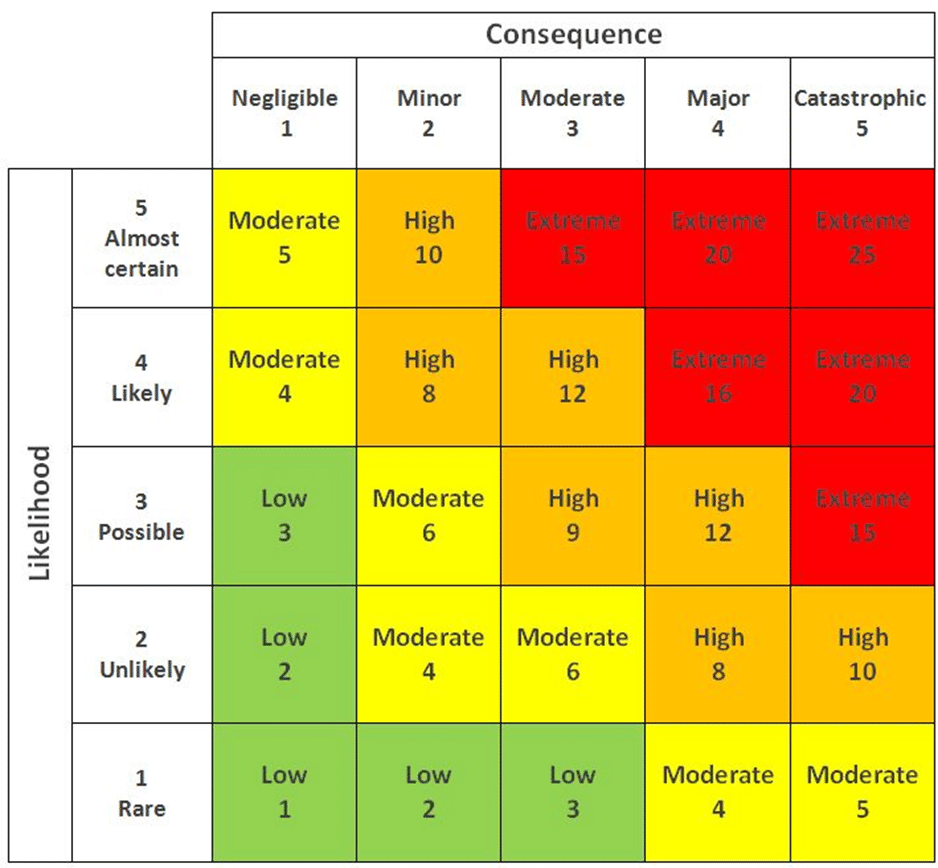
To keep risk assessments manageable, Pattison advocates for simplicity. He favors straightforward risk matrices and encourages organizations to focus on what truly matters. According to him, risk management should answer two questions: “What do I need to worry about?” and “How do I address those worries?” Complicated risk assessments, often bogged down by mathematical models, fail to provide clear, actionable insights. The key is to maintain focus on where the real risks lie and avoid unnecessary complexity.
Pattison also believes in actively involving clients in the risk assessment process, rather than conducting it on their behalf. By guiding clients through the process, he helps them develop a deeper understanding of their own risks, linking these risks to their business objectives and justifying the necessary controls. This collaborative approach ensures that clients are better equipped to manage their risks in a meaningful and practical way, rather than relying on third parties to do the work for them.
For more information on Andrew Pattison interview, you can visit here