Dec 19 2022

Is this website Safe : How to Check Website Safety to Avoid Cyber Threats Online

Category: App Security,Cyber Threats,Web SecurityDISC @ 10:58 am

is this website safe ? In this digital world, Check website safety is most important concern since there are countless malicious websites available everywhere over the Internet, it is very difficult to find a trustworthy websiteWe need tobrowse smart and need to make sure the site is not dangerous by using Multiple approaches.

In general, it is good to type the website URL instead of copy-paste or clicking an URL. Also, check to see the website working with HTTP OR HTTPS.

Investigating: is this website safe

In order to find, is this website safe , we need to figure it out if the URL received from an unknown source and we would recommend cross-checking the URL before clicking on it. Copy the URL to analyzers that available over the Internet and ensure it’s Integrity. 

If it is a shortened URL you can unshorten itwith the siteand then analyze the actual URL.

Methods to analyze Websites

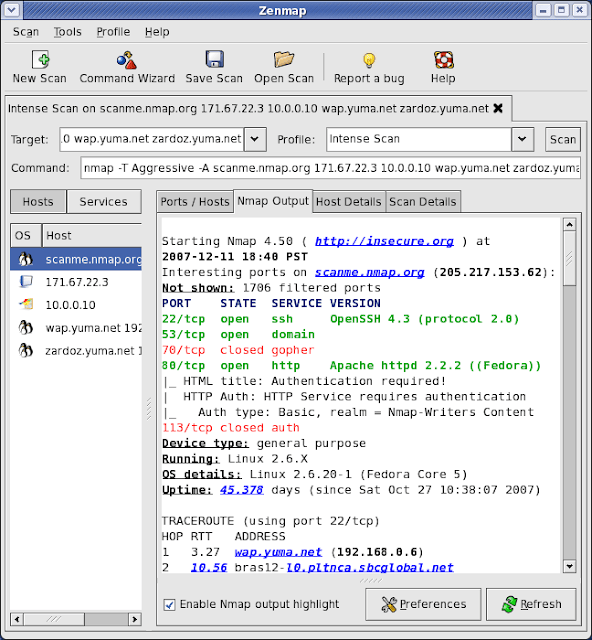
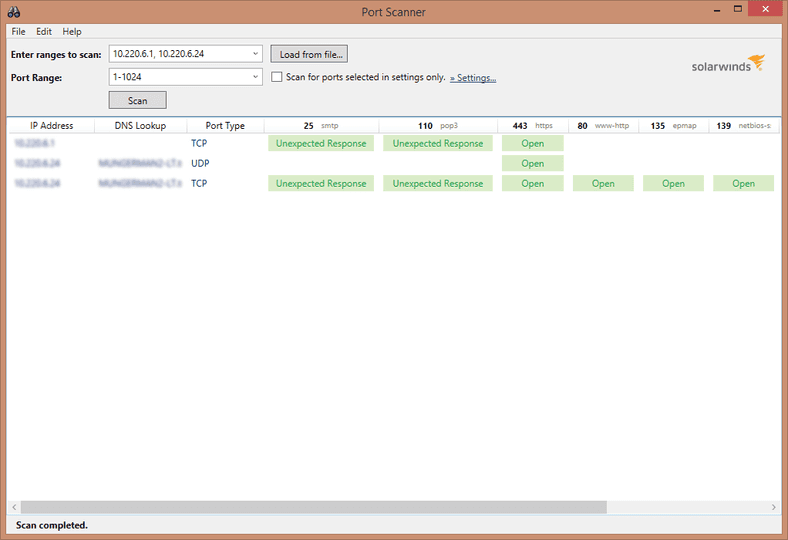
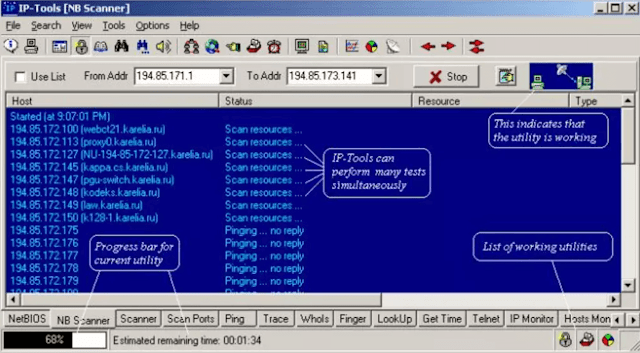
To check website safety, the first and the most recommended method is to check online page scanners, which uses the latest fingerprinting technology to show web applications are up to date or infected by malware.

Like this number of scanners available

Website reputation check needs to be done to find the trustworthiness of website with WOT .

pis

Ensure SSL is there before making a purchase

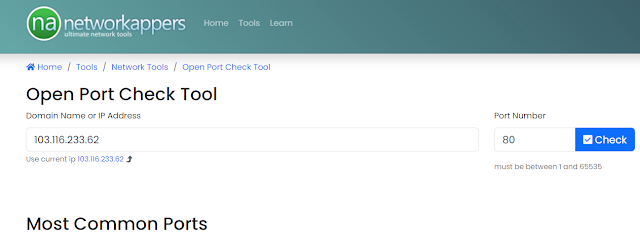
In order to check website safety, Ensure the website availability with https before entering the payment card details. We can audit the HTTPS availability with the SSL analyzer URL’s available over the internet.

Also, there is a range of certificates available over the Internet from low assured (domain validation) to the Most trusted Extended validation certificates, you can refer the URL for more details. 

Moreover, we can verify their prompt installation with various popular checkers available

Google Safe Browsing: is this website safe

According to Google, in order to check, is this website Safe, Browsing is a service that Google’s security team built to identify unsafe websites across the web and notify users and webmasters of potential harm.

In this Transparency Report, Google discloses details about the threats we detect and the warnings we show to users.

We share this information to increase awareness about unsafe websites, and we hope to encourage progress toward a safer and more secure web.

Safe Browsing also notifies webmasters when their websites are compromised by malicious actors and helps them diagnose and resolve the problem so that their visitors stay safer.

Safe Browsing protections work across Google products and power safer browsing experiences across the Internet.

Check the Browsing Website have Any unsafe Content or not –   Google Safe Browsing

To Report Malicious websites

Please report the dangerous URL to the services mentioned below. They are arranged in categories which should make it relatively easy to decide which services you should report the site to.

Services which blacklist Dangerous sites

Check the Blacklist IP Address 

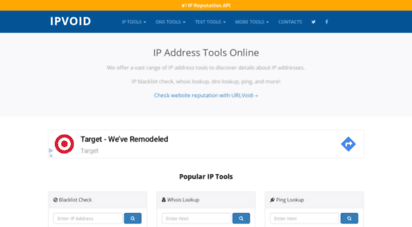
There are some awesome tools to Check the website IP Address has been listed in the Global Blacklist Database.

Multirblis a free multiple DNSBL (DNS BlackList aka RBL) lookup and FCrDNS (Forward Confirmed reverse DNS aka iprev) check tool to confirm,  is this website Safe.

Check the Website Safety & Reputation

analyzes a website through multiple blacklist engines and online reputation tools to facilitate the detection of fraudulent and malicious websites. This service helps you identify websites involved in malware incidents, fraudulent activities, and phishing websites.

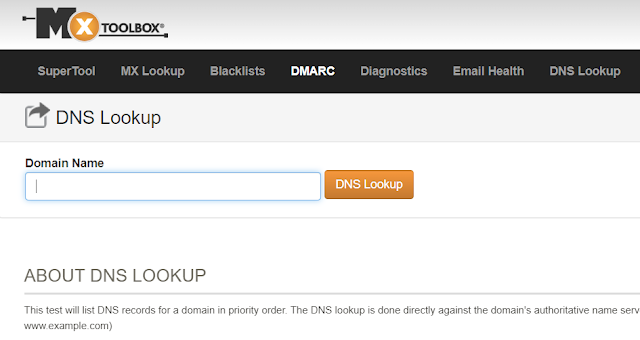
Important tools for Check the Website Reputation and confirm is this website Safe

Conclusion

Cyber criminals are using various sophisticated techniques to fool online users to drop malware and other cyber threats to cause unbearable damages. so beware of the malicious website, don’t blindly open the website and check the website safety before open it.

Is this website Safe : How to Check Website Safety to Avoid Cyber Threats Online

Web Application Security: Exploitation and Countermeasures for Modern Web Applications

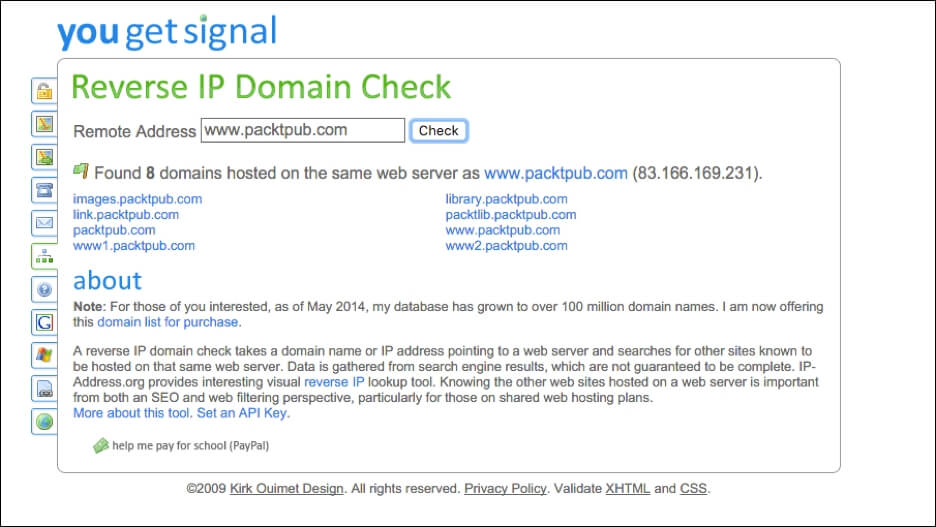
Security Analysis with search engines:

Image preview

Tags: #Pentesters, Security Analysis, Web Application Security, Website Safety


Dec 16 2022

Microsoft revised CVE-2022-37958 severity due to its broader scope

Microsoft revised the severity rate for the CVE-2022-37958 flaw which was addressed with Patch Tuesday security updates for September 2022.

Microsoft revised the severity rate for the CVE-2022-37958 vulnerability, the IT giant now rated it as “critical” because it discovered that threat actors can exploit the bug to achieve remote code execution.

The CVE-2022-37958 was originally classified as an information disclosure vulnerability that impacts the SPNEGO Extended Negotiation (NEGOEX) security mechanism.

The SPNEGO Extended Negotiation Security Mechanism (NEGOEX) extends Simple and Protected GSS-API Negotiation Mechanism (SPNEGO) described in [RFC4178].

The SPNEGO Extended Negotiation (NEGOEX) Security Mechanism allows a client and server to negotiate the choice of security mechanism to use.

The issue was initially rated as high severity because the successful exploitation of this issue required an attacker to prepare the target environment to improve exploit reliability.

Microsoft addressed the vulnerability with the release of Patch Tuesday security updates for September 2022.

IBM Security X-Force researcher Valentina Palmiotti demonstrated that this vulnerability is a pre-authentication remote code execution issue that impacts a wide range of protocols. It has the potential to be wormable and can be exploited to achieve remote code execution.

“The vulnerability could allow attackers to remotely execute arbitrary code by accessing the NEGOEX protocol via any Windows application protocol that authenticates, such as Server Message Block (SMB) or Remote Desktop Protocol (RDP), by default.” reads the post published by IBM. “This list of affected protocols is not complete and may exist wherever SPNEGO is in use, including in Simple Message Transport Protocol (SMTP) and Hyper Text Transfer Protocol (HTTP) when SPNEGO authentication negotiation is enabled, such as for use with Kerberos or Net-NTLM authentication.”

Unlike the CVE-2017-0144 flaw triggered by the EternalBlue exploit, which only affected the SMB protocol, the CVE-2022-37958 flaw could potentially affect a wider range of Windows systems due to a larger attack surface of services exposed to the public internet (HTTP, RDP, SMB) or on internal networks. The expert pointed out that this flaw can be exploited without user interaction or authentication.

IBM announced it will release full technical details in Q2 2023 to give time organizations to apply the security updates.

CVE-2022-37958

Mastering Windows Security and Hardening: Secure and protect your Windows environment from intruders, malware attacks, and other cyber threats

InfoSecBooks & Tools

Tags: CVE-2022-37958 severity


Dec 16 2022

Network Security Checklist

Category: Network securityDISC @ 12:49 pm

Network Security Checklist via Ethical Hackers Academy

Network Security Assessment: Know Your Network

InfoSecBooks & Tools


InfoSec Threats
 | InfoSec books | InfoSec tools | InfoSec services

Tags: Network Security Assessment, Network Security Checklist


Dec 16 2022

Facebook Infrastructure Used by Hackers in Phishing Attack Chain

Category: Hacking,PhishingDISC @ 9:39 am

This recent phishing campaign tricks victims by using Facebook posts in its chain of attacks. The emails that were sent to the targets made it appear as though one of the recipients’ Facebook posts violated copyright, and they threatened to remove their accounts if no appeal was made within 48 hours.

https://www.trustwave.com/media/19406/picture1yu.png?v=0.0.1
Phishing email message

“The content of this Facebook post appears legitimate because it uses a dummy ‘Page Support’ profile with the Facebook logo as its display picture. At first glance, the page looks legitimate, but the link provided in this post leads to an external domain”, according to Trustwave.

Here the Facebook post pretends to be “Page Support,” using a Facebook logo to appear as if the company manages it.

https://www.trustwave.com/media/19407/picture2yu.png?v=0.0.1
Facebook post masqueraded as a support page

The main phishing URL, hxxps:/meta[.]forbusinessuser[.]xyz/main[.]php, which resembles Facebook’s copyright appeal page, is reached by clicking the link in the post.

https://www.trustwave.com/media/19408/picture3yu.png?v=0.0.1

Particularly, any data that victims enter into the form after hitting the send button, along with the victim’s client IP and geolocation data will be forwarded to hackers.

Also, threat actors may gather more data to get through fingerprinting protections or security questions while gaining access to the victim’s Facebook account.

The victim is then redirected to the next phishing website, where a false 6-digit one-time password (OTP) request with a timer is displayed.

https://www.trustwave.com/media/19395/picture10yu.png?v=0.0.1
Phishing page with OTP request

Any code entered by the victim will fail, and if the “Need another way to authenticate?” button is pressed, the site will redirect to the real Facebook site.

According to Trustwave, multiple Facebook profiles have fake messages that look to be support pages and direct users to phishing websites.

Various Facebook accounts promoting the same fake alerts
Various Facebook accounts promoting the same fake alerts 

Therefore, these fake Facebook ‘Violation’ notifications use real Facebook pages to redirect to external phishing sites. Users are urged to take extreme caution when receiving false violation alerts and to not fall for the initial links’ seeming legitimacy.

The Totally Awesome Phish Trivia Book: Uncover The History & Facts Every Phish Head Should Know! 

InfoSecBooks | Tools | Services

Tags: facebook, Facebook Infrastructure, phishing


Dec 15 2022

Microsoft-Signed Drivers Helped Hackers Breach System Defenses

Category: Data Breach,Hacking,Security BreachDISC @ 10:12 am

This is not the first time threat actors have used drivers signed by Microsoft in their operations, as we know it, and it seems that putting a stop to this practice has not been an easy task for Microsoft.

Evidence suggests that the Cuba ransomware gang used malicious hardware drivers certified by Microsoft’s Windows Hardware Developer Program in an attempted ransomware attack.

Remember when, in 2021, a report surfaced that revealed Microsoft had signed a driver called Netfilter, and later it turned out it contained malware? Well, it has happened again, but on a larger scale.

Sophos X-Ops Rapid Response (RR) recently discovered evidence which proves that threat actors potentially belonging to the Cuba ransomware gang used malicious hardware drivers certified by Microsoft’s Windows Hardware Developer Program in an attempted ransomware attack. 

Drivers — the software that allows operating systems and apps to access and communicate with hardware devices — require highly privileged access to the operating system and its data, which is why Windows requires drivers to bear an approved cryptographic signature before allowing the driver to load.

However, cybercriminals have long since found approaches to exploit vulnerabilities found in existing Windows drivers from legitimate software publishers. These hackers make an effort to progressively move up the trust pyramid, using increasingly well-trusted cryptographic keys to digitally sign their drivers. 

Sophos along with researchers from Google-owned Mandiant and SentinelOne warned Microsoft about these signed malicious drivers which were being planted into targeted machines using a variant of the BurntCigar loader utility. These two then worked in tandem to kill processes associated with antivirus (AV) and endpoint detection and response (EDR) products. 

“Ongoing Microsoft Threat Intelligence Center analysis indicates the signed malicious drivers were likely used to facilitate post-exploitation intrusion activity such as the deployment of ransomware,” Microsoft said in an advisory published as part of its monthly scheduled release of security patches, known as Patch Tuesday.

Microsoft approved Driver Malware Used To Bypass System Security
On left is a valid signature identified by Mandiant – On the right is a valid signature identified by Sophos

Microsoft concluded its investigation by stating that “no compromise has been identified,” and proceeded to suspend the partners’ seller accounts. Moreover, they released Windows security updates to revoke the abused certificates. 

Mandiant’s report is available here. In SentinelOne’s blog post, the security firm reported that it had seen several attacks where a threat actor used malicious signed drivers to evade security products which usually trust components signed by Microsoft.

The threat actors were observed to be targeting organisations in the business process outsourcing (BPO), telecommunications, entertainment, transportation, MSSP, financial and cryptocurrency sectors and in some instances, SIM swapping was the end goal.

Microsoft approved Driver Malware Used To Bypass System Security
Code signing overview

Cuba Ransomware group was identified to be involved in gaining $60 million from attacks against 100 organisations globally, according to a joint advisory earlier this month from the US Cybersecurity and Infrastructure Security Agency (CISA) and the FBI.

The advisory also included warnings regarding the ransomware group which has been active since 2019 and continues to attack US entities in critical infrastructure, including financial services, government facilities, healthcare and public health, and critical manufacturing and information technology.

This is not the first time threat actors have used drivers signed by Microsoft in their operations, as we know it, and it seems that putting a stop to this practice has not been an easy task for Microsoft.

Tags: Microsoft-Signed Drivers


Dec 15 2022

First Review of A Hacker’s Mind

Category: HackingDISC @ 1:20 am
A Hacker's Mind: How the Powerful Bend Society's Rules, and How to Bend them Back by [Bruce Schneier]

Tags: A Hacker’s Mind


Dec 14 2022

3.5m IP cameras exposed, with US in the lead

Category: cyber securityDISC @ 1:04 pm

The number of internet-facing cameras in the world is growing exponentially. Some of the most popular brands don’t enforce a strong password policy, meaning anyone can peer into their owners’ lives.

Original post at https://cybernews.com/security/millions-ip-cameras-exposed/

When you spy on your neighborhood or your cafe customers, do you wonder if someone is watching Big Brother – you, in this case?

Businesses and homeowners increasingly rely on internet protocol (IP) cameras for surveillance. All too often, this gives them a false sense of security: when in fact, threat actors can not only access and watch your camera feed but exploit the unsecured device to hack into your network.

New research by Cybernews shows an exponential rise in the uptake of internet-facing cameras. After looking at 28 of the most popular manufacturers, our research team found 3.5 million IP cameras exposed to the internet, signifying an eightfold increase since April 2021.

While the default security settings have improved over the review period, some popular brands either offer default passwords or no authentication, meaning anyone can spy on the spies.

What is more, the overwhelming majority of internet-facing cameras are manufactured by Chinese companies. And while cosmetic security measures are in place, security leaders have long warned that technologies produced by Chinese companies can be exploited by China’s government.

Surge in internet-facing cameras

When we last did similar research, we discovered over 400,000 internet-facing cameras online. This time, the Cybernews research team found 3.5 million internet-facing cameras.

Since this is a convenient and cheap tool to surveil anything from a parking lot, a warehouse, your doorstep, or even monitor your child’s sleep using a baby camera, it’s not surprising to see a surge in IP camera usage.

While not surprising, the trend is worrying since internet-connected devices might be vulnerable to attacks – threat actors can gain access to the camera’s live feed, collect sensitive data, and launch further attacks on the network.

It is worrying that all analyzed brands have at least some models that allow users to keep default passwords or have no authentication setup whatsoever.

The reign of a Chinese brand

Most of the public-facing cameras we discovered are manufactured by the Chinese company Hikvision: the Cybernews research team found over 3.37 million of its cameras worldwide.

According to our researchers, they have the necessary security practice in place as they force users to create their unique passwords during an initial setup process. Nevertheless, the global popularity of Hikvision cameras has raised some eyebrows and, as is typical with China-manufactured technology, it and other companies are facing a backlash from Western governments.

Recently, the UK parliament instructed government agencies to cease the deployment of Chinese equipment, including surveillance cameras, on to sensitive sites, saying the technology is produced by companies subject to the National Intelligence Law of the People’s Republic of China.

Hikvision’s website advertised optional demographic profiling facial analysis algorithms, including gender, race, ethnicity, and age. Following an investigation by the Guardian, the ad was removed.

In November, the US Federal Communications Commission banned authorizations for Chinese telecommunications and video surveillance equipment, saying that Huawei, ZTE, Hytera, Hikvision, and Dahua are “deemed to pose a threat to national security.”

IP cameras

Most insecure brands

Most analyzed brands (96.44% of the discovered cameras) force users to set passwords or generate unique default passwords on the newest models and firmware versions. While this is a good trend, it doesn’t mean that all the cameras are safe since the lion’s share of these cameras is probably comprised of older models or those operating with outdated firmware using default or weak passwords.

Anyhow, this is a fundamental shift in the trend since last year, when we found that only 5.25% of analyzed cameras asked users to set their passwords.

As of today, 3.56% (127,000) of all analyzed cameras recommend changing the default password but do not enforce it. Sometimes, they don’t even mention it in the initial setup process, with the recommendation being on a blog post instead.

Even more concerning is that over 21,000 cameras did not have any authentication setup, allowing anyone to access them, leaving owners at risk of cyberattack.

IP cameras

According to the research, most public-facing cameras that might be using default credentials are operational in the United States, where we identified over 458,000 such devices.

Germany, which took second place in our research last year, covering over 50,000 cameras, didn’t even make it into the top 10 countries this time.

The second most affected country is Vietnam, with nearly 365,000 cameras, followed by the UK (nearly 250,000).

Visual here: Top 10 Countries with the most internet-connected cameras that could be using default credentials:

IP cameras

If you want to know how to secure your IP camera give a look at the original post published on CyberNews:

https://cybernews.com/security/millions-ip-cameras-exposed/

About the author: Jurgita Lapienytė, Chief Editor

A Security System for a Digital Camera: Using Cryptographic Secrecy in Steganographic Embedding

DISC InfoSec

#InfoSecTools and #InfoSectraining

#InfoSecLatestTitles

#InfoSecServices

Follow DISC #InfoSec blog

Ask DISC an InfoSec & compliance related question

Tags: camera security


Dec 14 2022

Preventing a ransomware attack with intelligence: Strategies for CISOs

Category: CISO,Ransomware,vCISODISC @ 10:46 am

Knowledge is power

More good news: We know how ransomware “gangs” work and, for the most part, what they’re after.

Ransomware is opportunistic and the barriers to entry for operators are relatively low as the tools, infrastructure, and access that enables these attacks have proliferated across various online illicit communities through the ransomware-as-a-service (RaaS) model. Ransomware affiliates can rent the malware and be paid a commission from the victim’s extortion fee.

Initial access brokers—i.e. threat actors who sell ransomware operators and affiliates access into victim networks—are constantly scanning the internet for vulnerable systems. Leaked credentials from breaches and other cyber incidents can lead to brute force or credential stuffing attacks. Employees need to constantly be aware of increasingly sophisticated social engineering schemes. Threat actors can use any of these mechanisms to breach systems, escalate privileges, move laterally, and ideally take actions on objectives, dropping that malware on a victim’s network and encrypting all of their files.

Intelligence along the pre-attack chain

Previously I wrote about the role of detection, isolation, mitigation, and negotiation in the event of a ransomware attack. Having this level of preparedness is essential today.

But one of the most effective ways to stop a ransomware attack is to deny them access in the first place; without access, there is no attack. The adversary only needs one route of access, and yet the defender has to be aware and prevent all entry points into a network. Various types of intelligence can illuminate risk across the pre-attack chain—and help organizations monitor and defend their attack surfaces before they’re targeted by attackers.

Vulnerability intelligence

The best vulnerability intelligence should be robust and actionable. For instance, with vulnerability intelligence that includes exploit availability, attack type, impact, disclosure patterns, and other characteristics, vulnerability management teams predict the likelihood that a vulnerability could be used in a ransomware attack.

With this information in hand, vulnerability management teams, who are often under-resourced, can prioritize patching and preemptively defend against vulnerabilities that could lead to a ransomware attack.

Threat intelligence

Having a deep and active understanding of the illicit online communities where ransomware groups operate can also help inform methodology, and prevent compromise. Organizations must be able to monitor for, and be alerted to, stolen login credentials before they reach criminal actors. This intelligence can mitigate account takeover and break the chain leading to brute force or credential stuffing attacks.

Technical intelligence

When cyber threat actors successfully infiltrate your network, the subsequent attack is not always immediate; sometimes, they will install tools that can help them further invade and seek access to the most valuable data. Technical intelligence helps security teams detect indicators of compromise, or IOCs, and the presence of Cobalt Strike beacons, which can unknowingly be present in your systems and later help a ransomer carry out an attack.

Prevention through preparedness

In order to help employees and executives understand various ransomware-related risks, organizations should seek to implement tabletop exercises designed by companies with expertise preparing for, and responding to, a ransomware event. These simulated scenarios should cover how to spot (and report) social engineering schemes like phishing attacks, which lure employees to click on links or interact with harmful attachments that could allow ransomware malware to be deployed on company devices.

By spending time building out and rehearsing a response plan prior to an attack scenario, your team will be equipped with informed decision-making during a ransomware-related emergency. But rest assured: It’s best to have the right intelligence at-hand, including the data, expert insights, and tools that can help to prevent an attack in the first place and keep your organization running without interruption.

ransomware

Responding to a Ransomware Attack: A playbook 

Tags: Strategies for CISOs


Dec 14 2022

Payment Giant Exposed 9 Million Credit Card Transaction Records

Category: pci dssDISC @ 10:25 am

In a recent find, security researcher Jeremiah Fowler and the Website Planet research team discovered an open and unprotected database that contained 9,098,506 records of credit card transactions. 

What’s worse, the trove of personal and financial was left exposed on a misconfigured server without any password or security authentication.

The owner of the database was identified as Cornerstone Payment Systems, a credit card processing company based in California. Upon being informed, they took swift action to restrict public access the very same day, thanking the researchers for reporting the exposure. 

Cybercrimes related to credit and financial data are especially dangerous because access to data such as partial credit card numbers, account or transaction information, names, contacts, and donation comments allow threat actors to establish a target profile.

These criminals are then able to launch highly targeted phishing campaigns or social engineering attacks. It is estimated that 98% of cyber attacks involve some form of social engineering.

The Exposed Data

In this data leak, the Personally Identifiable Information (PII) included merchants, users, and customer names, partial credit card numbers, type of card, expiration date, physical addresses, and email addresses, security or access tokens, phone numbers, and more.

Furthermore, information regarding the transaction was also included such as donation details, recurring payments, and comments. The donation details had the dollar amount and what the donation was for such as payments for goods or services, and any other transaction.

Additionally, electronic check payment data included bank names and check numbers. The notes also had authorization tokens and if the payment was declined, or accepted, and reasons for the decision.

Cybercriminals would be able to use such information to reach out to customers while pretending to be legitimate merchants or organizations. This sensitive information warrants that criminals can build a relationship of trust with their victims to obtain additional payment information or a Social Security Number (SSN) or other information for nefarious purposes. 

Cornerstone Payment Systems Exposed 9 Million Credit Card Transaction Records
Screenshot 1 shows transaction records from an anonymous donor – Screenshot 2 shows transaction records including personal data (Provided to Hackread.com by Website Planet)

Moreover, according to Website Planet’s blog post, since many of the transactions in this database were made for donations or recurring payments to religious organizations, charity campaigns, or nonprofit groups, the criminals could target victims based on their beliefs or the causes that they support.

Many of the transaction comments the researchers saw were for religious, pro-life/anti-abortion, anti-COVID mandates, and other conservative or religious causes. It is not uncommon for hacktivists to take a vigilante stance and attack targeted individuals.

Therefore, it is essential for organizations that collect and store PII to use encryption and take other security measures to protect their sensitive data online. It is also just as necessary for the potentially affected individuals to be notified and advised to practice extra caution in all their online interactions.  

Disclosure of Certain Credit Card Complaint Data

Tags: Credit Card Transaction Records


Dec 13 2022

Survey Reveals Limits of CISOs’ Management Experience

Category: CISO,vCISODISC @ 10:07 am

A global survey from recruitment firm Marlin Hawk that polled 470 CISOs at organizations with more than 10,000 employees found nearly half (45%) have been in their current role for two years or less.

James Larkin, managing partner for Marlin Hawk, said that rate is slightly lower than the previous year when the same survey found 53% of CISOs had been in their positions for less than two years.

Overall, the survey found that current turnover rates are at 18% on a year-over-year basis. Approximately 62% of CISOs were hired from another company, compared to 38% that were promoted from within, the survey also found.

However, only 12% of CISOs are reporting directly to the CEO, while the rest report to other technology leadership roles, the survey revealed. It also found that more than a third of CISOs (36%) that have a graduate degree also received a higher degree in business administration or management, a 10% decline from the previous year. A total of 61% have higher degrees in another STEM field, the survey found.

Finally, the survey showed only 13% of the respondents are female, while only 20% are non-white.

The role of the CISO continues to expand—and with it the level of stress—as cyberattacks continue to increase in volume and sophistication, noted Larkin. It’s not clear whether or how much stress levels are contributing to CISO turnover rates, but it is one of the few 24/7 roles within any IT organization, added Larkin.

The role of the CISO has also come under more scrutiny in the wake of the conviction of former Uber CISO Joe Sullivan on charges of obstruction. Most CISOs view their role as defending the corporation but, in general, Larkin noted that most of them would err on the side of transparency when it comes to managing cybersecurity.

The one certain thing is that CISOs are more valued than ever. A PwC survey of 722 C-level executives found that 40% of business leaders ranked cybersecurity as the number-one most serious risk their organizations faced. In addition, 58% of corporate directors said they would benefit most from enhanced reporting around cybersecurity and technology.

As a result, nearly half of respondents (49%) said they were increasing investments in cybersecurity and privacy, while more than three-quarters (79%) said they were revising or enhancing cybersecurity risk management.

As a result, CISOs generally have more access to resources despite an uncertain economy. The issue is determining how best to apply those resources given the myriad platforms that are emerging to enhance cybersecurity. Of course, given the chronic shortage of cybersecurity talent, the biggest challenge may simply be finding someone who has enough expertise to manage those platforms.

ask chloé career project management business security

In the meantime, most of the training CISOs and other cybersecurity professionals receive will continue to be on the job. CISOs, unlike other C-level roles that have time available for more structured training, don’t have that luxury.

Tags: CISO, vCISO


Dec 13 2022

Multiple Zero-Day Vulnerabilities in Antivirus and Endpoint Let Attackers Install Data Wipers

Category: Antivirus,Information Security,Zero dayDISC @ 9:50 am

Next-Generation Wiper Tool

Aikido is the wiper tool that has been developed by the Or Yair of SafeBreach Labs, and the purpose of this wiper is to defeat the opponent by using their own power against them.

As a consequence, this wiper can be run without being given privileges. In addition, it is also capable of wiping almost every file on a computer, including the system files, in order to make it completely unbootable and unusable.

EDRs are responsible for deleting malicious files in two main ways, depending on the following contexts:-

  • Time of threat identification
  • Time of threat deletion
Window Opportunity (Safebreach)

As soon as a malicious file is detected and the user attempts to delete it, the Aikido wiper takes advantage of a moment of opportunity. 

This wiper makes use of a feature in Windows allowing users to create junction point links (symlinks) regardless of the privileges of the users’ accounts, which is abused by this wiper.

A user who does not have the required permissions to delete system files (.sys) will not be able to delete those files according to Yair. By creating a decoy directory, he was able to trick the security product to delete the file instead of preventing it from being deleted. 

Likewise, he placed a string inside the group that resembled the path intended for deletion, for example, as follows:-

  • C:\temp\Windows\System32\drivers vs C:\Windows\System32\drivers

Qualities of the Aikido Wiper

Here below we have mentioned all the general qualities of the Aikido Wiper:-

  • Fully Undetectable
  • Makes the System Unbootable
  • Wipes Important Data
  • Runs as an Unprivileged User
  • Deletes the Quarantine Directory

Product analysis and response from the vendor 

It was found that six out of 11 security products tested by Or Yair were vulnerable to this exploit. In short, over 50% of the products in this category that is tested are vulnerable.

Here below we have mentioned the vulnerable ones:-

  • Defender
  • Defender for Endpoint
  • SentinelOne EDR
  • TrendMicro Apex One
  • Avast Antivirus
  • AVG Antivirus

Here below we have mentioned the products that are not vulnerable:-

  • Palo Alto XDR
  • Cylance
  • CrowdStrike
  • McAfee
  • BitDefender

Between the months of July and August of this year, all the vulnerabilities have been reported to all the vendors that have been affected. There was no arbitrary file deletion achieved by the researcher in the case of Microsoft Defender and Microsoft Defender for Endpoint products.

In order to cope with the vulnerabilities, three of the vendors have issued the following CVEs:-

This exploit was also addressed by three of the software vendors by releasing updated versions of their software to address it:-

  • Microsoft Malware Protection Engine: 1.1.19700.2
  • TrendMicro Apex One: Hotfix 23573 & Patch_b11136
  • Avast & AVG Antivirus: 22.10

This type of vulnerability should be proactively tested by all EDR and antivirus vendors to ensure that their products are protected from similar attacks in the future.

For organizations using EDR and AV products, the researcher strongly recommends that they consult with their vendors for updates and patches immediately.

Multiple Zero-Day Vulnerabilities

Tags: Data Wipers


Dec 12 2022

14 lessons CISOs learned in 2022

Category: CISO,vCISODISC @ 1:12 pm

The coming new year is a good moment for chief information security officers to reflect upon what they’ve learned this year and how to apply this knowledge going forward.

“If companies are not going to learn these lessons and mature their security practices, we will see increased scrutiny in audits and third-party risk assessments, and this may have a financial, reputational, operational, or even compliance impact on their business,” says Sohail Iqbal, CISO at Veracode.

many lit hanging bulbs

1. Don’t wait for a geopolitical conflict to boost your security

2. The population of threat actors has exploded, and their services have become dirt cheap
3. Untrained employees can cost a company millions of dollars

4. Governments are legislating more aggressively for cybersecurity

5. Organizations should keep better track of open-source software

6. More effort should be put into identifying vulnerabilities

7. Companies need to do more to protect against supply chain attacks

8. Zero trust should be a core philosophy

9. Cyber liability insurance requirements might continue to increase

10. The “shift-left” approach to software testing is dated

11. Using the wrong tool for the wrong asset will not fix the problem

12. Organizations need help understanding their complete application architectures

13. Security should be a continuous effort

14. Have plans in place

Source for more details: 14 lessons CISOs learned in 2022

Tags: CISO


Dec 12 2022

New Technique Discovered To Bypass Web Application Firewalls (WAF) Of Several Vendors

Category: Firewall,next generation firewallDISC @ 11:20 am

Experts from Industrial and IoT cybersecurity company Claroty developed a generic method for bypassing the web application firewalls (WAF) of a variety of leading manufacturers.

Following a study of the wireless device management platform from Cambium Networks, Claroty’s researchers identified the technique. They found a SQL injection flaw that might allow unauthorized access to private data such as session cookies, tokens, SSH keys, and password hashes.

Reports stated that the vulnerability could be exploited against the on-premises version, but the Amazon Web Services (AWS) WAF prohibited all attempts to do so against the cloud version by flagging the SQL injection payload as malicious.

“This is a dangerous bypass, especially as more organizations continue to migrate more business and functionality to the cloud,” Noam Moshe, a vulnerability researcher at Claroty, wrote in a company blog post.

“IoT and OT processes that are monitored and managed from the cloud may also be impacted by this issue, and organizations should ensure they’re running updated versions of security tools in order to block these bypass attempts.”

Later finding revealed that the WAF could be bypassed by abusing the JSON data-sharing format. All of the significant SQL engines support JSON syntax and it is turned on by default.

“Using JSON syntax, it is possible to craft new SQLi payloads. These payloads, since they are not commonly known, could be used to fly under the radar and bypass many security tools.” Claroty reports.

CVE-2022-1361 Improper Neutralization of Special Elements Used In a SQL Command (‘SQL INJECTION’)

Further, a specific Cambium vulnerability the researchers uncovered proved more challenging to exploit (CVE-2022-1361). Moshe says “at the core of the vulnerability is a simple SQL injection vulnerability; however, the actual exploitation process required us to think outside the box and create a whole new SQL technique”. 

Hence, they were able to exfiltrate users’ sessions, SSH keys, password hashes, tokens, and verification codes using this vulnerability. 

The vulnerability’s main problem was that the developers in this instance did not utilize a prepared statement to attach user-supplied data to a query.

“Instead of using a safe method of appending user parameters into an SQL query and sanitizing the input, they simply appended it to the query directly”, he added

New SQL Injection Payload That Would Bypass the WAF 

The WAF did not recognize the new SQL injection payload that Claroty researchers created, but it was still valid for the database engine to parse. 

They did this by using JSON syntax. They did this by utilizing the JSON operator “@<” which put the WAF into a loop and let the payload reach the intended database.

Reports say the researchers successfully reproduced the bypass against Imperva, Palo Alto Networks, Cloudflare, and F5 products.

Claroty added support for the technique to the SQLMap open-source exploitation tool. 

“We discovered that the leading vendors’ WAFs did not support JSON syntax in their SQL injection inspection process, allowing us to prepend JSON syntax to a SQL statement that blinded a WAF to the malicious code,” the security firm explained.

Hence Claroty says, by adopting this innovative method, attackers might gain access to a backend database and utilize additional flaws and exploits to leak data directly to the server or via the cloud.

Bypass Web Application Firewalls

Web Application Firewall WAF A Complete Guide

Tags: Web Application Firewall


Dec 12 2022

95.6% of New Malware in 2022 Targeted Windows

Category: Malware,Windows SecurityDISC @ 11:06 am

Malware attacks are a growing problem in our increasingly digital world. By infiltrating computers and networks, malicious software can cause serious harm to those affected by it.

One of the most common types of malware is ransomware (encryption-based malware), which prevents users from accessing their files until they pay a hefty fee to the cyber attacker. This type of attack has been used to target everything from individuals to large organizations, including government agencies and healthcare providers.

In addition to financial losses, malware attacks can have devastating effects on businesses and individuals. In some cases, sensitive data can be stolen or destroyed as part of an attack. This can lead to identity theft and other forms of fraud, as well as put organizations at risk for long-term damage if confidential information is exposed or compromised.

Research Findings

A recent study by Atlas VPN shows how malware infection is on the rise and the trends in the new malware samples found in the first three quarters of 2022. 

According to researchers, 59.58 million samples of new Windows malware were found in the first three quarters of 2022 and these make up 95.6% of all new malware discovered during that time period. 

This analysis was based on data by AV-TEST GmbH, an independent organization that evaluates and rates antivirus and supplies services in IT Security and Antivirus Research. The study also includes new malware samples detected in the four quarters of 2021 and the first three quarters of 2022. 
Windows, Linux, and Android Malware

Overall, there is a downward trend in the data with the malware samples this year has decreased by 34% as compared to the same period last year. However, the numbers are still exceptionally high.

Following Windows on the list is Linux malware with 1.76 million new malware samples – 2.8% of the total malware threats in 2022. 

Android malware takes third place with the first three quarters of 2022 seeing 938,379 new Android malware threats, constituting 1.5% of the total new malware. 

Lastly, 8,329 samples of never before seen malware threats aimed at macOS were observed in the same period. 

Total Number of Malware

The study also shows that the total number of malware threats found in the first three quarters of 2022 across all operating systems amount to 62.29 million. This is about 228,164 malware threats daily. 

If we make a quarter-by-quarter comparison, the first quarter of 2022 saw the most significant number of malware samples – 22.35 million. However, this number dropped by 4% to 21.49 million in the second quarter of this year. Again, it decreased by another 14% to 18.45 million. 

The numbers continue to plummet into the fourth quarter of the year with 7.62 million new threats found in October and November – nearly 60% less than at the same time last year. 

Protection Against Malware

Malware is a pervasive threat to internet users on both personal and professional networks. It can cause serious damage to computers, networks, and data that can be expensive to fix. Fortunately, there are steps you can take to protect yourself from malware.

The most important step in protecting your network from malware is keeping your anti-malware software up to date. Regularly updating anti-malware programs ensures that they’re able to detect the latest threats and keep them away from your computer or network.

Additionally, be sure not to click on suspicious links or download files from unknown sources as these could contain malicious code that could harm your system.

Another way to stay safe online is by using a secure web browser with built-in security features like pop-up blockers, phishing protection, and ad blockers ((don’t use it on Hackread.com though :0)) for enhanced protection against malicious activities.

95.6% of New Malware in 2022 Targeted Windows

Learning Malware Analysis: Explore the concepts, tools, and techniques to analyze and investigate Windows malware

Tags: Malware, Malware Analysis


Dec 11 2022

Phishing Scams: How To Recognize A Scam Email, VOIP call, or Text

Category: Email Security,PhishingDISC @ 11:55 am

A phishing scam is not only about stealing your login credentials, but it can also install malware, including ransomware, which is why it is essential to learn how to tackle this growing threat.

The number of phishing scams reported in the first quarter of 2022 set a new record of over one million total attacks, according to a report by the Anti-Phishing Working Group.

And the scams have been growing fast in recent years. The number of attempts reported in the first quarter of 2022 is more than triple the average numbers just two years before, in early 2020.

With so many attacks underway—and growing by the day—what’s the best way to recognize these scams and prevent them? We’ll look at how to recognize and protect yourself from the most common types of phishing fraud. Meanwhile, you can also learn how to detect phishing images in an email.

Most prevalent types of phishing scams

Phishing today refers to a type of scam that steals people’s personal information by posing as a trusted third party. For example, a scammer might pretend to be a government worker to get you to share your Social Security number or pretend to be from your bank to get you to share account details.

With so many communication channels today, there are more phishing methods than ever before. And scammers have adapted to each type of channel by leveraging trust signals inherent to each one.

This can make it hard for the untrained eye to spot a phishing scam and even difficult to recognize if you’ve been hacked after falling for an attack. The first sign that tips off most victims is an unexpected charge, damaged credit score, or depleted bank account.

Here are the six most common types of phishing scams and how to protect yourself.

1. Email scams

Anyone can fall for an email scam; this U.S. judge did. By far the most common type of phishing attack is via email. You’re probably familiar with the spam emails we all get on a day-to-day basis, but the most sophisticated phishing attacks look very different.

These emails often look identical to official messages and notifications, including the company’s logo and exactly the same content as a real message. For example, one of today’s most common scams is a message notification from LinkedIn that’s almost impossible to tell apart from the real thing.

How to protect yourself:

  • Never click on links in emails. Instead, visit the official site.
  • Beware of email addresses that aren’t from the business domain, especially if the address is from a free provider like Gmail.
  • Disable automatic image loading, as this can let scammers know you’ve seen the message.

2. Voice phishing (vishing)

Another common method fraudsters use to trick victims is over the phone. These calls usually claim to have a one-of-a-kind offer or urgent, life-threatening warning.

Most scammers use a VoIP phone system that lets them change the phone number, meaning the call appears as though it’s from a local number even if it’s not.

How to protect yourself:

  • Never answer calls from numbers you don’t recognize, even if it has a local area code.
  • Don’t return calls from numbers. you don’t recognize (one type of scam collects expensive per-dial and per-minute fees, hoping you’ll call back).
  • Remember that most U.S. government agencies, including the IRS, Medicare, and the Social Security Administration, almost never call by phone and do not have the power to arrest you.
Phishing Scams: How To Recognize A Scam Email, VOIP call, or Text

3. Phishing websites

One of the most common destinations for phishing scams is a fraudulent site that looks like the official website. The cloned site will often be identical to the real page, using the company’s logos, color scheme, and fonts.

After establishing trust with the design, the site will ask you to share personal information, anything from your email and password to your Social Security number or bank account details. For example, this attack impersonating American Express used an email message and web page almost impossible to tell apart from the real brand.

Phishing email and the phishing page (Screenshots via Armorblox)

How to protect yourself:

  • If you get a message with a link—even if it looks trustworthy—go to the official site instead.
  • Check the URL of a website to make sure it’s correct. (You’ll notice the American Express phishing page above comes from a site other than AmericanExpress.com.)
  • Don’t automatically trust an HTTPS connection. The “green padlock” icon is an important trust signal, but it doesn’t mean a site is safe. Hackers can use them on phishing sites, too.

4. SMS text message scams (smishing)

Text messages don’t have much space for the scammer’s message, but that hasn’t stopped criminals from trying new tactics to trick innocent victims. The goal of most SMS scams is to get you to click on a link or make a call, so immediately be suspicious of any message with a link or number (though of course, some legitimate messages have these as well).

One of the most common ruses right now with text scams is, ironically enough, helping to protect you from scams. You’ll often see a message “confirming” an expensive purchase or withdrawal, directing you to a number or link to cancel or investigate. There is nothing to cancel or investigate, but the scammer will pretend to resolve the situation by collecting your personal data for a future attack.

How to protect yourself:

  • Don’t trust texts from numbers you don’t recognize. Instead, visit the official site.
  • Beware of texts that use vague terms like “your bank” or “package service.” Scammers use these (instead of actual company names) so the message can apply to anyone.
  • Don’t reply to scam messages, even unsubscribe. This only confirms you have an active number and will result in more attacks.

5. Social media phishing

Social media has become one of the more recent additions to the phishing repertoire. Scammers reach out either using a fake lookalike account or a compromised account.

One common ruse is a friend reaching out for help, usually with an authentication code. But it’s not a friend—it’s a scammer who’s taken over their account and is trying to take over yours. Another ruse is a message from someone posing as the official company support account, asking you to provide information to verify you’re the authentic owner or to keep your page active.

Fake Support chatbot (Image: Trustwave)

How to protect yourself:

  • Beware of anyone who reaches out and asks for personal information or verification codes, even if they appear to be coming from a friend.
  • Don’t respond to messages from “official” accounts. If you’ve received an alert from the social networking site, it’ll usually appear in your account settings.
  • Don’t ever share your social media password with a third-party website.

6. Man-in-the-middle attack

This type of phishing scam requires the attacker to be nearby but can be one of the most dangerous because it’s almost impossible to detect. It works when you and the attacker are on the same Wi-Fi network, like at a coffee shop or airport. The attacker intercepts everything you send and receive and can redirect your browser to safe sites to look-alike sites without you knowing.

Once the attacker has set up a man-in-the-middle attack, they can see almost all the information you share, including usernames, passwords, credit card details, and more.

How to protect yourself:

  • Never use public Wi-Fi networks. A better option is to connect to a hotspot from your cell phone, which has a secure and private connection.
  • If you have to use public Wi-Fi, turn on a VPN. This can protect you against most types of man-in-the-middle attacks and safeguard your personal details.

How to prevent phishing

Every type of phishing requires a slightly different method to spot, and scammers are constantly developing new methods that leverage our weaknesses. But there are a few common warning signs you can look for across different types of phishing attacks.

  • Unfamiliar senders. Emails, texts, or calls from people you don’t recognize are automatically suspect.
  • Poor spelling or grammar. Major corporations pay careful attention to small details like this. Scammers, on the other hand, don’t usually worry about a few typos and often use poor English.
  • Urgency and threats. Scammers demand immediate action or scare you using intimidation tactics, like arrest or deportation, so you don’t recognize warning signs of a scam.
  • Unusual payment methods. Phishing scams often take the opportunity to charge a “fee” for a service but will only accept forms of payment like gift cards, money orders, or cryptocurrency. Legitimate businesses use other methods.

What to do if you’re a victim of phishing

You’ve learned how to protect yourself from phishing scams, but what if you’ve already fallen victim? If you know you’ve shared information with a scammer, here’s what you should do, based on what information you’ve shared.

  • Credit or debit card details. Call the issuing company and have the card canceled immediately. Ask to reverse or dispute any fraudulent charges.
  • Login details or passwords. Log into the compromised account, change the password, look for an option to close all active sessions, and add two-factor authentication if possible. Do the same for any other accounts using the same password.
  • Medical insurance information. Call your insurance company and any impacted companies, explain the fraud, and dispute any fraudulent charges.
  • Social Security number. Set up a credit freeze at each of the three credit bureaus (Experian, Equifax, and TransUnion). This prevents anyone from requesting credit in your name.
  • Name, email, date of birth, or other information. Keep a close eye on your accounts for signs of identity theft.

No matter what kind of information you’ve shared, it’s always a good idea to report the fraud to the Federal Trade Commission at IdentityTheft.gov. Filing the report helps protect others, gives you documentation of the attack, and will provide you with recovery steps specific to your situation

Conclusion

Phishing attacks are on the rise, and scammers are developing even more intricate scams all the time. But if you know the most common warning signs and stay vigilant, you can protect yourself and take quick action in case you’ve been compromised.

Tags: Phishing scams


Dec 09 2022

Zombinder on Dark Web Lets Hackers Add Malware to Legit Apps

Category: Hacking,MalwareDISC @ 1:44 pm

ThreatFabric’s security researchers have reported a new dark web platform through which cybercriminals can easily add malware to legitimate Android applications.

Dubbed Zombinder, this platform was detected while investigating a campaign in which scammers were distributing multiple kinds of Windows and Android malware, including Android banking malware like Ermac, Laplas “clipper,” Erbium, and the Aurora stealer, etc.

This comes just days after a new dark web marketplace called InTheBox surfaced online, serving smartphone malware developers and operators.

Further probe helped researchers trace the adversary to a third-party dark web service provider called Zombinder. It was identified as an app programming interface binding service launched in March 2022.

Zombinder on Dark Web Lets Hackers Add Malware to Legit Apps

According to ThreatFabric’s blog post, numerous different threat actors are using this service and advertising it on hacker forums. On one such forum, the service was promoted as a universal binder that binds malware with almost any legitimate app.

The campaign is designed to appear as it helps users access internet points by imitating the WiFi authorization portal. In reality, it pushes several different malware strains.

What does Zombinder Do?

In the campaign detected by ThreatFabric’s researchers, the service is distributing the Xenomorph banking malware disguised as the VidMate app. It is distributed via modified apps advertised/downloaded from a malicious website mimicking the application’s original website. The victim is lured to visit this site via malicious ads.

The Zombinder-infected app works just as it is marketed while the malicious activity carries on in the background and the victim stays unaware of the malware infection.

Zombinder on Dark Web Lets Hackers Add Malware to Legit Apps

At the moment, Zombinder is focusing entirely on Android apps but the service operators are offering Windows apps binding services. Those who downloaded the infected Windows app were delivered the Erbium stealer as well. It is an infamous Windows malware distributed to steal stored passwords, cookies, credit card details, and cryptocurrency wallet data.

It is worth noting that two downloaded buttons on the malicious website’s landing page, one for Windows and the other for Android. when a user clicks on the Download for Windows button, they are delivered malware designed for Microsoft operating system, including Aurora, Erbium, and Laplas clipper. Conversely, the Download for Android button distributes the Ermac malware.

How to Stay Protected?

If you want to stay safe, do not sideload apps even if you are desperate to make a specific product work. Also, avoid installing apps from unauthentic or unknown sources onto your Android mobile phone and rely on legitimate sources such as Google Play Store, Amazon Appstore, or Samsung Galaxy Store. Always check the app’s rating, and reviews, and check out the app developers’ website before installing a new app.

Cyber Deep Web

Tags: Cyber Deep Web, dark net, dark web, Zombinder


Dec 09 2022

ATTACKING ACTIVE DIRECTORY WITH LINUX

Category: Cyber Attack,Windows SecurityDISC @ 11:33 am

Mastering Active Directory: Design, deploy, and protect Active Directory Domain Services for Windows Server 2022

Tags: ATTACKING ACTIVE DIRECTORY, Mastering Active Directory


Dec 08 2022

Pwn2Own Toronto 2022 Day 2: Participants earned $281K

Category: HackingDISC @ 3:55 pm

Pwn2Own Toronto 2022 Day Two – Participants demonstrated exploits for smart speaker, smartphone, printer, router, and NAS.

On the first day of the Zero Day Initiative’s Pwn2Own Toronto 2022 hacking competition participants earned $400,000 for 26 unique zero-day exploits.

On the second day of the competition, participants earned more $281,000 for smart speaker, smartphone, printer, router, and NAS exploits.

Researchers from Qrious Secure team used two flaws to execute an attack against the Sonos One Speaker, they earned $60K and 6 Master of Pwn points.

STAR Labs team also hacked the Sonos One Speaker in the Smart Speaker category using one unique bug and another previously known bug. The team earned $22,500 and 4.5 Master of Pwn points.

The Bugscale team demonstrated an exploit against the Synology router and HP Printer using one unique bug and another previously known flaw. The team earned $37,500 and 7.5 Master of Pwn points.

The researchers from Interrupt Labs executed an improper input validation attack against the Samsung Galaxy S22 in the Mobile Phone category. The team earned $25K and 5 Master of Pwn points.

pwn2own toronto 2022

The researcher Luca Moro was awarded $40,000 for a Classic Buffer Overflow attack against the WD My Cloud Pro Series PR4100 in the NAS category.

Tags: Pwn2Own Toronto 2022


Dec 08 2022

Don’t Sell Your Laptop Without Following These Steps

Before selling or trading in your laptop, it is important to prepare the device for its new owner as this will help ensure all of your personal data remains safe.

In an age when every day, a new version of a laptop with better features, sleek design, and improved performance hits the market, it is no wonder that you also wish to buy a new laptop to achieve excellence in performance and enjoy new features.

You have money, you can buy a new laptop, great! But what about your previous laptop? If you are thinking of selling it, then…stop.

If you think selling a laptop is all about saving your data, finding a seller, and selling it, then you need to think again. It goes beyond this! It is not all about getting a fair price, but also saving your personal information and private data from reaching a stranger – that might cost you a lot if that stranger is fraudulent or malicious.

Before selling or trading in your laptop, it is important to prepare the device for its new owner. This can be done by taking several simple precautions that will help ensure all of your personal data remains safe.

1 Save Your Important Data

It goes without saying that your first step should be keeping a backup of your essential data, including personal and work-related files and folders, containing documents, presentations, emails, plans, strategies, or anything else that you have prepared with so much hard work.

If you don’t want to see your data slipping from your fingers, then this should be your number one step.

You can save your data on a data drive or upload it to a reliable cloud service. Or send them to your own email address (well, this is my favorite way of saving my data!). Do whatever suits you, but saving data is a must before selling your laptop.

However, this can only work if you have a few GB of data. In case you have terabytes of data then owning a workstation from companies like Western Digital (WD) is a good way to go.

2 Delete Passwords Permanently

Nobody wants the passwords of important accounts to get leaked. Full stop! But have you ever thought about how to save your passwords before giving your laptop? What — did you just say you can do it by signing off from all your accounts and deleting history and cookies? Ah, I wish it was really that easy, but it is not. 

Where technology has brought so much ease into our lives, there it has also become a trouble in many ways — like this one. Unfortunately, some software can extract passwords even if you log out from your accounts.

That is where you should act smartly if you don’t want someone to sneak into your Facebook and start sending weird messages through your accounts to your friends. It could trigger so many controversies – eh. So, cut iron with iron.

You can also use apps such as password generators. One such example is the IPVanish password generator which lets users delete passwords permanently from their browsers. If you wish to do that manually, follow these easy steps:

For Chrome browser: First, open Chrome and click on the three-dot menu icon located in the top right corner. Then select “Settings” and click on “Passwords” under Autofill. Here you will find a list of all the websites that have saved credentials, along with their usernames and passwords.

Select an entry to see the details, then click on the three-dot menu icon next to it and select “Remove.” You’ll be asked to confirm by clicking “remove” again; once confirmed all login information for that website will be deleted from your computer. (Read more on Google.)

For Firefox: First, launch the Firefox browser on your device. Then, click the ‘Menu’ icon (three lines in the upper right corner) and select ‘Options’ or ‘Preferences’. In this menu, you will see a section for ‘Logins & Passwords. You can then scroll through all of your saved logins and passwords until you find the one that needs to be deleted.

For Safari Browser: To begin, open up the Safari browser on your computer and click the ‘Safari’ menu at the top left corner. In that menu option, select ‘Preferences’ and then navigate to the ‘Passwords’ tab. (Read more on Mozilla.)

Here you will see a list of all of your stored passwords that have been saved by Safari. To delete one or more of these passwords, simply check off each box next to each entry that you wish to remove and hit delete in the bottom right corner. (Read more on Apple.)

3 Format the Drive

Have you saved your important data? Great! Now, what about data that is still on your laptop? Obviously, you can’t leave it like this for others to see your private information and confidential data. No, just deleting data files and clearing Recycle Bin or Shift + Delete might not work. It can still keep the issue of data leakage and privacy breaches there. 

In this condition, most people go for drive formatting that cleans up your laptop and makes it data free. However, this method works if your files are overwritten and you are using a solid-state drive (SSD) with TRIM enabled.

With HDD or TRIM disabled, you would have to overwrite the hard drive if you don’t want cheap software to recover your data – yes, even after formatting. It is very easy to recover a permanently deleted file through even cheap software. So, be safe than sorry!

4 Prepare Your Laptop for Selling

Once you are done saving your information, next, it is time to prepare your laptop for sale at a good price. The price of your gadget also depends on its model, functionalities, current market price, and a lot more. However, improving the outer condition, and speed, upgrading Windows, and enhancing the memory storage can enhance the price of your laptop. 

So, work on the following things to get good bucks:

  • First, install the latest Windows to make your buyer happy. You can vow anyone with the latest functionalities already installed on the laptop, so that person wouldn’t have to go through all the trouble. It is a good chance to impress a buyer.
  • Second, work on the speed of the laptop. Half of the work is already done when you delete files and data. So, reset the laptop to speed it up.
  • Clean up your laptop, please. Don’t take your laptop to a buyer with all the lint or dust trapped between keys and scratches on the screen. You can remove lint or dust with a brush and change the screen cover. This simple work can make a lot of difference.
  • Lastly, visit a laptop expert and ask for a thorough inspection so that you can rectify if there are any internal faulty parts.

Don't Sell Your Laptop Without Following These Steps

PROFESSIONAL HARD DRIVE ERASER 32/64Bit Professional Edition – Wipe your Hard Drive Securely for for ALL operating systems

Tags: data erase, data security


Dec 07 2022

Top 10 free MITRE ATT&CK tools and resources

Category: Attack MatrixDISC @ 11:19 am

MITRE ATT&CK is a knowledge base of adversary tactics and techniques based on real-world observations. ATT&CK is open and available to any person or organization for use at no charge. Below you can find a collection of MITRE ATT&CK tools and resources available for free.

eBook: Getting Started with ATT&CK

This free eBook pulls together the content from blog posts on threat intelligence, detection and analytics, adversary emulation and red teaming, and assessments and engineering onto a single, convenient package.

eBook

CALDERA

CALDERA is a cyber security platform designed to easily automate adversary emulation, assist manual red-teams, and automate incident response. It is built on the MITRE ATT&CK framework and is an active research project at MITRE.

The framework consists of two components:

  • The core system. This is the framework code, consisting of what is available in this repository. Included is an asynchronous command-and-control (C2) server with a REST API and a web interface.
  • Plugins. These repositories expand the core framework capabilities and provide additional functionality. Examples include agents, reporting, collections of TTPs, etc.
mitre attack tools

Whitepaper: Best Practices for MITRE ATT&CK Mapping

CISA uses ATT&CK as a lens through which to identify and analyze adversary behavior. CISA created this guide with the Homeland Security Systems Engineering and Development Institute (HSSEDI), a DHS-owned federally funded research and development center (FFRDC), which worked with the MITRE ATT&CK team.
Whitepaper

CASCADE

CASCADE is a research project at MITRE which seeks to automate much of the investigative work a “blue-team” team would perform to determine the scope and maliciousness of suspicious behavior on a network using host data.

The prototype CASCADE server has the ability to handle user authentication, run analytics, and perform investigations. The server runs analytics against data stored in Splunk/ElasticSearch to generate alerts. Alerts trigger a recursive investigative process where several ensuing queries gather related events. Supported event relationships include parent and child processes (process trees), network connections, and file activity. The server automatically generates a graph of these events, showing relationships between them, and tags the graph with information from the ATT&CK project.

mitre attack tools

Metta

Metta is an information security preparedness tool. This project uses Redis/Celery, Python, and vagrant with VirtualBox to do adversarial simulation. This allows you to test your host based instrumentation but may also allow you to test any network based detection and controls depending on how you set up your vagrants. The project parses YAML files with actions and uses Celery to queue these actions up and run them one at a time without interaction.

mitre attack tools

Sandbox Scryer

Sandbox Scryer is an open-source tool for producing threat hunting and intelligence data from public sandbox detonation output. The tool leverages the MITRE ATT&CK Framework to organize and prioritize findings, assisting in assembling IOCs, understanding attack movement and hunting threats. By allowing researchers to send thousands of samples to a sandbox for building a profile for use with the ATT&CK technique, Sandbox Scryer can help solve use cases at scale.

Sandbox Scryer

Whitepaper: Finding Cyber Threats with ATT&CK-Based Analytics

This whitepaper presents a methodology for using the MITRE ATT&CK framework, a behavioral-based threat model, to identify relevant defensive sensors and build, test, and refine behavioral-based analytic detection capabilities using adversary emulation. This methodology can be applied to enhance enterprise network security through defensive gap analysis, endpoint security product evaluations, building and tuning behavioral analytics for a particular environment, and performing validation of defenses against a common threat model using a red team emulating known adversary behavior.

Whitepaper

Atomic Red Team

Atomic Red Team is a library of tests mapped to the MITRE ATT&CK framework. Security teams can use Atomic Red Team to quickly, portably, and reproducibly test their environments. You can execute atomic tests directly from the command line, no installation required.

mitre attack tools

Red Team Automation (RTA)

RTA provides a framework of scripts designed to allow blue teams to test their detection capabilities against malicious tradecraft, modeled after MITRE ATT&CK.

RTA is composed of python scripts that generate evidence of over 50 different ATT&CK tactics, as well as a compiled binary application that performs activities such as file time stopping, process injections, and beacon simulation as needed.

mitre attack tools

Mapping CVEs to MITRE ATT&CK

Vulcan Cyber’s research team has created this site to showcase an ongoing project to map documented CVEs to relevant tactics and techniques from the MITRE ATT&CK matrix. You can search for CVES based on specific techniques and vice versa. For more information about this project, please read the associated whitepaper.

Website

Aligning Security Operations with MITRE ATT&CK Framework: An effective guide to leveling up your SOC for better security

Tags: MITRE ATT&CK tools


« Previous PageNext Page »