InfoSec and Compliance – With 20 years of blogging experience, DISC InfoSec blog is dedicated to providing trusted insights and practical solutions for professionals and organizations navigating the evolving cybersecurity landscape. From cutting-edge threats to compliance strategies, this blog is your reliable resource for staying informed and secure. Dive into the content, connect with the community, and elevate your InfoSec expertise!
Proof-of-concept (PoC) exploit code for a critical RCE vulnerability (CVE-2024-25153) in Fortra FileCatalyst MFT solution has been published.
About CVE-2024-25153
Fortra FileCatalyst is an enterprise managed file transfer (MFT) software solution that includes several components: FileCatalyst Direct, Workflow, and Central.
CVE-2024-25153 is a directory traversal vulnerability in FileCatalyst Workflow’s web portal that could allow a remote authenticated threat actor to execute arbitrary code on vulnerable servers.
“A directory traversal within the ‘ftpservlet’ of the FileCatalyst Workflow Web Portal allows files to be uploaded outside of the intended ‘uploadtemp’ directory with a specially crafted POST request. In situations where a file is successfully uploaded to web portal’s DocumentRoot, specially crafted JSP files could be used to execute code, including web shells,” the company noted in the advisory.
The vulnerability was first discovered in August 2023 and patched a few days later in the FileCatalyst version 5.1.6 Build 114, but had no CVE identifier at the time.
The identifier was assigned after Fortra became a CVE Numbering Authority (CNA) in December 2023.
The company and Tom Wedgbury, the security researcher that discovered and reported the flaw, planned its coordinated disclosure in March 2024.
CVE-2024-25153 PoC exploit released
Fortra’s security advisory and Wedgbury’s blog post with technical details and the PoC have been published on Wednesday.
There are currently no indications of the vulnerability being exploited in the wild, but organizations are nevertheless advised to apply the available patch (if they haven’t already).
When a PoC for a critical authentication bypass vulnerability (CVE-2024-0204) in Fortra’s GoAnywhere MFT solution was recently made public, exploit attempts began soon after.
In late January 2023, the Cl0p ransomware group leveraged a zero-day vulnerability (CVE-2023-0669) in the same solution, and stole data of over 130 victim organizations.
The Russia-linked threat actor known as APT28 has been linked to multiple ongoing phishing campaigns that employ lure documents imitating government and non-governmental organizations (NGOs) in Europe, the South Caucasus, Central Asia, and North and South America.
“The uncovered lures include a mixture of internal and publicly available documents, as well as possible actor-generated documents associated with finance, critical infrastructure, executive engagements, cyber security, maritime security, healthcare, business, and defense industrial production,” IBM X-Force said in a report published last week.
The tech company is tracking the activity under the moniker ITG05, which is also known as Blue Athena, BlueDelta, Fancy Bear, Fighting Ursa, Forest Blizzard (formerly Strontium), FROZENLAKE, Iron Twilight, Pawn Storm, Sednit, Sofacy, TA422, and UAC-028.
The disclosure comes more than three months after the adversary was spotted using decoys related to the ongoing Israel-Hamas war to deliver a custom backdoor dubbed HeadLace.
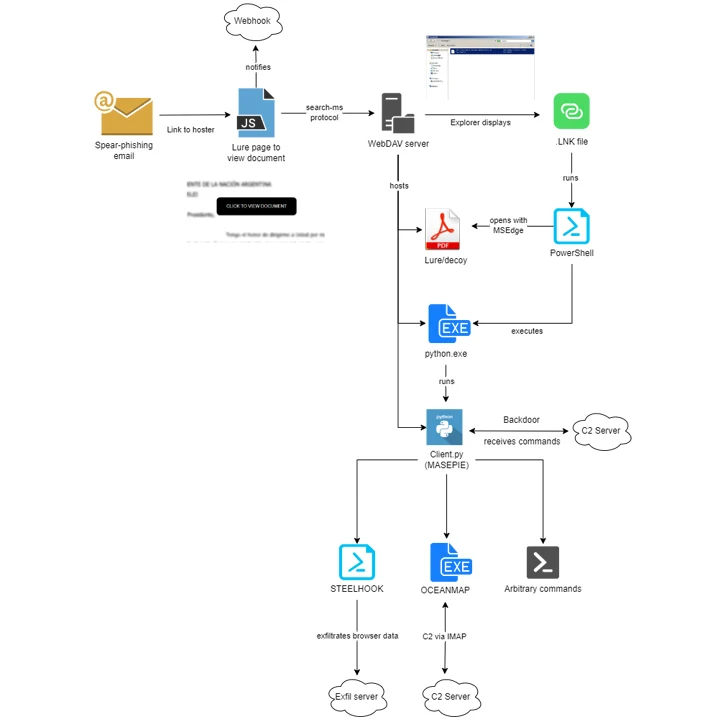
APT28 has since also targeted Ukrainian government entities and Polish organizations with phishing messages designed to deploy bespoke implants and information stealers like MASEPIE, OCEANMAP, and STEELHOOK.
Other campaigns have entailed the exploitation of security flaws in Microsoft Outlook (CVE-2023-23397, CVSS score: 9.8) to plunder NT LAN Manager (NTLM) v2 hashes, raising the possibility that the threat actor may leverage other weaknesses to exfiltrate NTLMv2 hashes for use in relay attacks.
The latest campaigns observed by IBM X-Force between late November 2023 and February 2024 take advantage of the “search-ms:” URI protocol handler in Microsoft Windows to trick victims into downloading malware hosted on actor-controlled WebDAV servers.
There is evidence to suggest that both the WebDAV servers, as well as the MASEPIE C2 servers, may be hosted on compromised Ubiquiti routers, a botnet comprising which was taken down by the U.S. government last month.
The phishing attacks impersonate entities from several countries such as Argentina, Ukraine, Georgia, Belarus, Kazakhstan, Poland, Armenia, Azerbaijan, and the U.S., putting to use a mix of authentic publicly available government and non-government lure documents to activate the infection chains.
“In an update to their methodologies, ITG05 is utilizing the freely available hosting provider, firstcloudit[.]com to stage payloads to enable ongoing operations,” security researchers Joe Fasulo, Claire Zaboeva, and Golo Mühr said.
The climax of APT28’s elaborate scheme ends with the execution of MASEPIE, OCEANMAP, and STEELHOOK, which are designed to exfiltrate files, run arbitrary commands, and steal browser data. OCEANMAP has been characterized as a more capable version of CredoMap, another backdoor previously identified as used by the group.
“ITG05 remains adaptable to changes in opportunity by delivering new infection methodologies and leveraging commercially available infrastructure, while consistently evolving malware capabilities,” the researchers concluded.
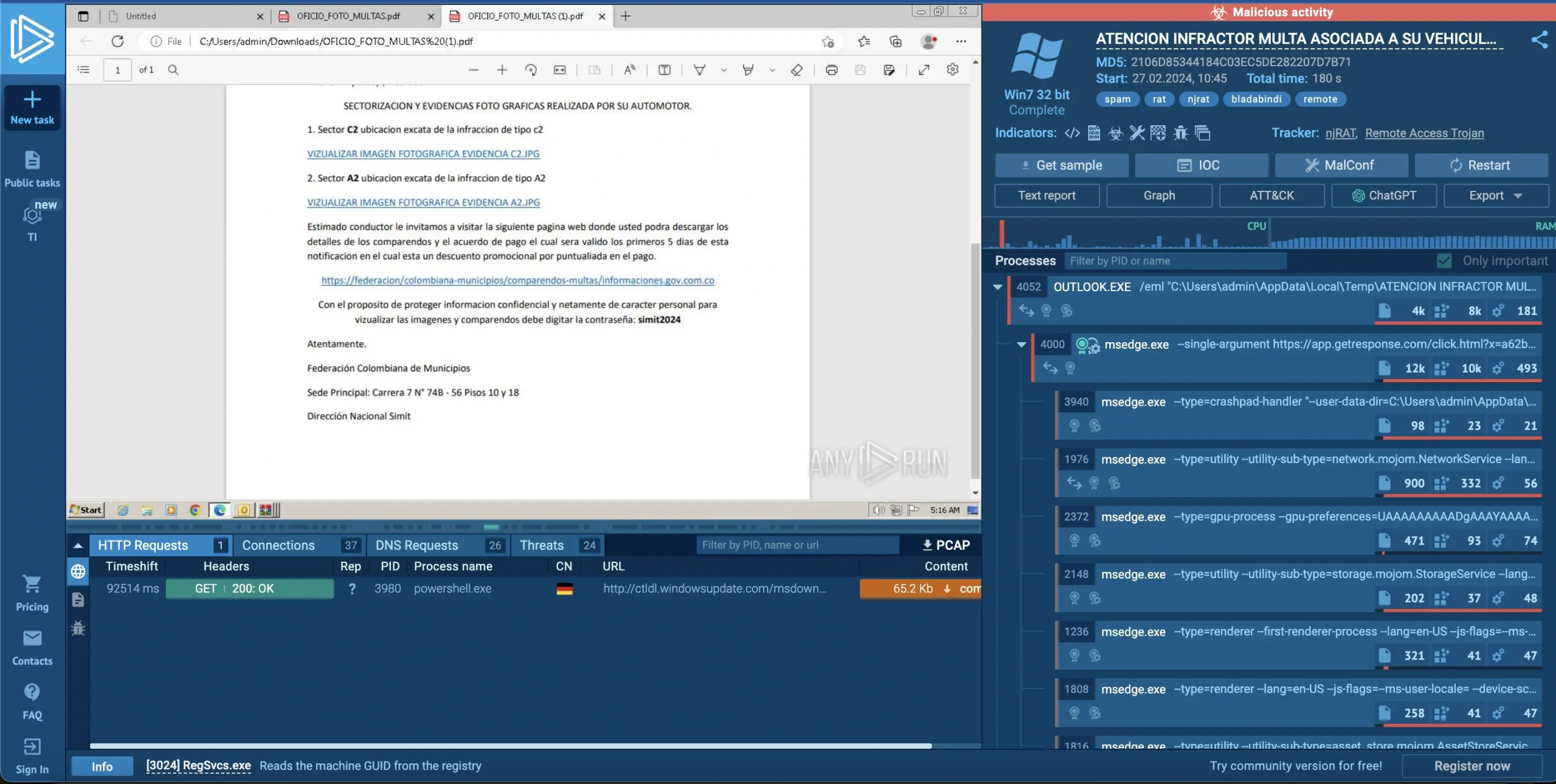
In a sophisticated cyberattack campaign, malicious actors impersonating Colombian government agencies target individuals across Latin America.
The attackers are distributing emails containing PDF attachments, falsely accusing recipients of traffic violations or other legal infractions.
These deceptive communications are designed to coerce victims into downloading an archive that harbors a VBS script, initiating a multi-stage infection process.
Upon execution, the obfuscated VBS script triggers a PowerShell script, retrieving the final malware payload from legitimate online storage services through a two-step request process.
According to the ANY.RUN report was shared with GBHackers on Security; initially, the script acquires the payload’s address from resources such as textbin.net. It then proceeds to download and execute the payload from the provided address, which could be hosted on various platforms including cdn.discordapp(.)com, pasteio(.)com, hidrive.ionos.com, and wtools.io.
The attackers’ execution chain follows a sequence from PDF to ZIP, then to VBS and PowerShell, and finally to the executable file (EXE).
The culminating payload is identified as one of several known remote access trojans (RATs), specifically AsyncRAT, njRAT, or Remcos.
These malicious programs are notorious for their ability to provide unauthorized remote access to the infected systems, posing significant risks to the victims’ privacy and data security.
Here are some notable samples of this campaign: 1, 2, 3, 4.
sample1
This campaign has been meticulously documented, with over 50 operation samples being analyzed.
Cybersecurity professionals and researchers are encouraged to consult the TI Lookup tool for detailed information on these samples, aiding in identifying and mitigating threats related to this campaign.
The technique demonstrated by the attackers in this campaign is not exclusive to Latin American targets and may be adapted for use against various targets in other regions.
The cybersecurity community is urged to remain vigilant and employ robust security measures to protect against such sophisticated threats.
The term “virtual private network,” or VPN for short, has become almost synonymous with “online privacy and security.” VPNs function by creating an encrypted tunnel through which your data may transit as it moves over the internet. They are designed to protect your privacy and make it impossible for anyone to monitor or access your activity while you are online. But what happens if the same instrument that was supposed to keep your privacy safe turns out to be a conduit for attacks? Introduce yourself to “TunnelCrack,” a frightening discovery that has sent shockwaves across the world of cybersecurity. Nian Xue from New York University, Yashaswi Malla and Zihang Xia from New York University Abu Dhabi, Christina Popper from New York University, and Mathy Vanhoef from KU Leuven University were the ones that carried out the study.
Two serious vulnerabilities in virtual private networks (VPNs) have been discovered by a research team . These vulnerabilities had been dormant since 1996. It is possible to leak and read user traffic, steal information, or even conduct attacks on user devices by exploiting these vulnerabilities, which are present in practically every VPN product across all platforms. TunnelCrack is a combination of two common security flaws found in virtual private networks (VPNs). Even though a virtual private network (VPN) is designed to safeguard all of the data that a user sends, these attacks are able to circumvent this security. An enemy, for example, may take advantage of the security flaws to steal information from users, read their communications, attack their devices, or even just spill it all. Regardless of the security protocol that is utilized by the VPN, the uncovered flaws may be exploited and used maliciously. In other words, even Virtual Private Networks (VPNs) that claim to utilize “military grade encryption” or that use encryption methods that they themselves invented are vulnerable to attack. When a user joins to an unsecured Wi-Fi network, the initial set of vulnerabilities, which they refer to as LocalNet attacks, is susceptible to being exploited. The second group of vulnerabilities, which are known as ServerIP attacks, are susceptible to being exploited by shady Internet service providers as well as by unsecured wireless networks. Both of these attacks involve manipulating the routing table of the victim in order to deceive the victim into sending traffic outside the secured VPN tunnel. This enables an adversary to read and intercept the data that is being sent.
The video that may be seen below demonstrates three different ways in which an attacker might take advantage of the disclosed vulnerabilities. In the first step of the attack, the LocalNet vulnerability is exploited to force the target to leak communications. This is used to intercept sensitive information that is being transferred to websites that do not have enough security, such as the victim’s account and password being exposed. They also demonstrate how an adversary may determine which websites a user is accessing, which is something that is not generally achievable when utilizing a virtual private network (VPN). Last but not least, a modification of the LocalNet attack is used in order to prevent a surveillance camera from alerting its user to any unexpected motion.
As the demonstration indicates, the vulnerabilities in the VPN may be exploited to trivially leak traffic and identify the websites that an individual is accessing. In addition, any data that is transferred to websites with inappropriate configurations or that is supplied by applications that are not secure may be intercepted.
Users may protect themselves by keeping the software for their VPNs up to date. Additionally, any data that is transferred cannot be stolen if a website is correctly set using HTTP Strict Transport protection (HSTS) to always utilize HTTPS as an additional layer of protection. These days, around 25 percent of websites are built in this manner. In addition, a few of browsers will now display a warning to the user if HTTPS is not being utilized. Last but not least, while they are not always error-free, most current mobile applications employ HTTPS by default and, as a result, also use this additional security.
In addition to being exploited to attack websites, virtual private networks (VPNs) sometimes defend outdated or less secure protocols, which presents an additional danger. These attacks now make it possible for an adversary to circumvent the security provided by a virtual private network (VPN), which means that attackers may target any older or less secure protocols that are used by the victim, such as RDP, POP, FTP, telnet, and so on.
LocalNet Attacks
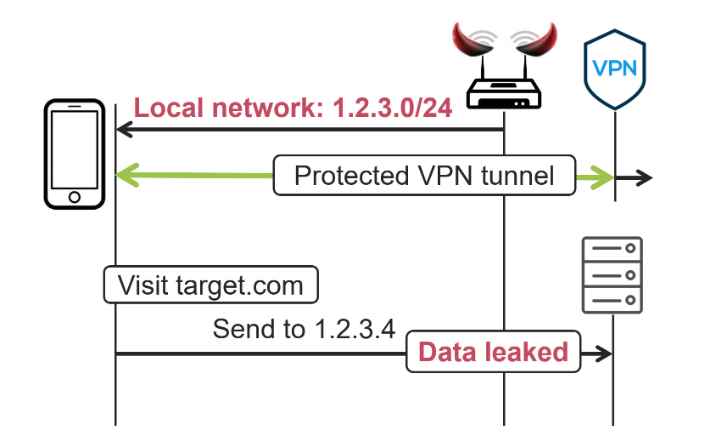
The adversary in a LocalNet attack pretends to be a hostile Wi-Fi or Ethernet network, and they deceive the victim into joining to their network by using social engineering techniques. Cloning a well-known Wi-Fi hotspot, such as the one offered by “Starbucks,” is a straightforward method for achieving this goal. As soon as a victim establishes a connection to this malicious network, the attacker allots the victim a public IP address as well as a subnet. An illustration of this may be seen in the graphic below; the objective of the opponent in this case is to prevent traffic from reaching the website target.com: The website target.com, which can be seen in the picture to the right, uses the IP address 1.2.3.4. The adversary will convince the victim that the local network is utilizing the subnet 1.2.3.0/24 in order to intercept traffic that is headed toward this website. The victim is told, in other words, that IP addresses in the range 1.2.3.1-254 are immediately accessible inside the local network. A web request will be sent to the IP address 1.2.3.4 if the victim navigates to target.com at this time. The victim will submit the web request outside the secured VPN tunnel because it believes that this IP address is immediately available inside the local network.
An adversary may potentially leak practically all of the victim’s traffic by assigning bigger subnets to the local network they have access to. In addition, although while the LocalNet attack’s primary objective is to send data outside the VPN tunnel, it may also be exploited in such a way as to prevent some traffic from passing through while the VPN is in operation.
ServerIP Attacks
In order to execute a ServerIP attack, the attacker has to have the ability to spoof DNS responses before the VPN is activated, and they also need to be able to monitor traffic going to the VPN server. Acting as a hostile Wi-Fi or Ethernet network is one way to achieve this goal; in a manner similar to the LocalNet attacks, this may also be done. The attacks may also be carried out via an Internet service provider (ISP) that is hostile or by a core Internet router that has been hacked.
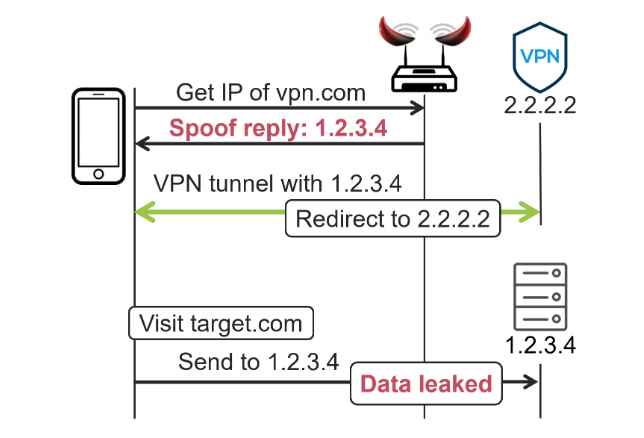
The fundamental premise is that the attacker will attempt to impersonate the VPN server by forging its IP address. An attacker may fake the DNS answer to have a different IP address if, for instance, the VPN server is recognized by the hostname vpn.com but its actual IP address is 2.2.2.2. An illustration of this may be seen in the following image, in which the adversary’s objective is to intercept communication sent towards target.com, which has the IP address 1.2.3.4:
The attacker begins by forging the DNS reply for vpn.com such that it returns the IP address 1.2.3.4. This IP address is identical to the IP address of target.com. To put it another way, if you wish to leak traffic towards a certain IP address, you fake that address. After that, the victim will connect to the VPN server that is located at 1.2.3.4. This traffic is then redirected to the victim’s actual VPN server by the adversary, who does this to ensure that the victim is still able to successfully build a VPN connection. As a consequence of this, the victim is still able to successfully build the VPN tunnel even if they are using the incorrect IP address while connecting to the VPN server. In addition to this, the victim will implement a routing rule that will direct all traffic destined for 1.2.3.4 to be routed outside of the VPN tunnel.
A web request is now made to 1.2.3.4 whenever the victim navigates to target.com on their web browser. This request is routed outside of the secured VPN tunnel because of the routing rule that prevents packets from being re-encrypted when they are submitted to the VPN server. As a direct consequence of this, the web request is exposed.
The built-in VPN clients of Windows, macOS, and iOS were discovered to have security flaws by this study. Android versions 12 and above are not impacted by this issue. A significant portion of Linux-based virtual private networks (VPNs) are also susceptible. In addition, they discovered that the majority of OpenVPN profiles, when used with a VPN client that is susceptible to vulnerabilities, utilize a hostname to identify the VPN server, which may lead to behavior that is susceptible to vulnerabilities.
In order to keep customers safe, they worked together with CERT/CC and a number of other VPN providers to develop and release security upgrades over the course of a coordinated disclosure period of ninety days. Mozilla VPN, Surfshark, Malwarebytes, Windscribe (which can import OpenVPN profiles), and Cloudflare’s WARP are a few examples of VPNs that have been updated with patches. You can protect yourself against the LocalNet attack even if updates for your VPN are not currently available by turning off connection to your local network. You may further reduce the risk of attacks by ensuring that websites utilize HTTPS, a protocol that is supported by the majority of websites today.
In 2023, 50% of malware detections for SMBs were keyloggers, spyware and stealers, malware that attackers use to steal data and credentials, according to Sophos.
Attackers subsequently use this stolen information to gain unauthorized remote access, extort victims, deploy ransomware, and more.
Ransomware remains primary cyberthreat for SMBs
The Sophos report also analyses initial access brokers (IABs)—criminals who specialize in breaking into computer networks. As seen in the report, IABs are using the dark web to advertise their ability and services to break specifically into SMB networks or sell ready-to-go-access to SMBs they’ve already cracked.
“The value of ‘data,’ as currency has increased exponentially among cybercriminals, and this is particularly true for SMBs, which tend to use one service or software application, per function, for their entire operation. For example, let’s say attackers deploy an infostealer on their target’s network to steal credentials and then get hold of the password for the company’s accounting software. Attackers could then gain access to the targeted company’s financials and have the ability to funnel funds into their own accounts,” said Christopher Budd, director of Sophos X-Ops research at Sophos.
“There’s a reason that more than 90% of all cyberattacks reported to Sophos in 2023 involved data or credential theft, whether through ransomware attacks, data extortion, unauthorized remote access, or simply data theft,” added Budd.
While the number of ransomware attacks against SMBs has stabilized, it continues to be the biggest cyberthreat to SMBs. Out of the SMB cases handled by Sophos Incident Response (IR), which helps organizations under active attack, LockBit was the top ransomware gang wreaking havoc. Akira and BlackCat were second and third, respectively. SMBs studied in the report also faced attacks by lingering older and lesser-known ransomware, such as BitLocker and Crytox.
BEC attacks grow in sophistication
Ransomware operators continue to change ransomware tactics, according to the report. This includes leveraging remote encryption and targeting managed service providers (MSPs). Between 2022 and 2023, the number of ransomware attacks that involved remote encryption—when attackers use an unmanaged device on organizations’ networks to encrypt files on other systems in the network—increased by 62%.
In addition, this past year, Sophos’s Managed Detection and Response (MDR) team responded to five cases involving small businesses that were attacked through an exploit in their MSPs’ remote monitoring and management (RMM) software.
Following ransomware, business email compromise (BEC) attacks were the second highest type of attacks that Sophos IR handled in 2023, according to the report.
These BEC attacks and other social engineering campaigns contain an increasing level of sophistication. Rather than simply sending an email with a malicious attachment, attackers are now more likely to engage with their targets by sending a series of conversational emails back and forth or even calling them.
In an attempt to evade detection by traditional spam prevention tools, attackers are now experimenting with new formats for their malicious content, embedding images that contain the malicious code or sending malicious attachments in OneNote or archive formats. In one case Sophos investigated, the attackers sent a PDF document with a blurry, unreadable thumbnail of an “invoice.” The download button contained a link to a malicious website.
CloudGrappler is an innovative open-source tool designed to detect the presence of notorious threat actors in cloud environments.
This tool is a beacon of hope for security teams struggling to keep pace with the sophisticated tactics of groups like LUCR-3, also known as Scattered Spider.
CloudGrappler leverages the power of CloudGrep, a tool developed by Cado Security, to offer high-fidelity, single-event detections of activities associated with well-known threat actors in popular cloud platforms such as AWS and Azure.
It acts as a cyber detective, sifting through the vast amounts of data in cloud environments to identify suspicious and malicious activities that often go unnoticed.
Key Features Of CloudGrappler
Threat Actor Querying: CloudGrappler excels in identifying activities demonstrated by some of the most notorious cloud threat actors. It utilizes a subset of activities from Permiso’s extensive library of detections to help organizations pinpoint threats targeting their cloud infrastructure.
Single-Event Detections: The tool provides a granular view of potential security incidents, enabling security teams to quickly and easily identify specific anomalies within their AWS and Azure environments.
Integration with CloudGrep: By incorporating a set of Tactics, Techniques, and Procedures (TTPs) observed in the modern threat landscape, CloudGrappler enhances its threat detection capabilities.
How CloudGrappler Works
CloudGrappler includes several components designed to streamline the threat detection process:
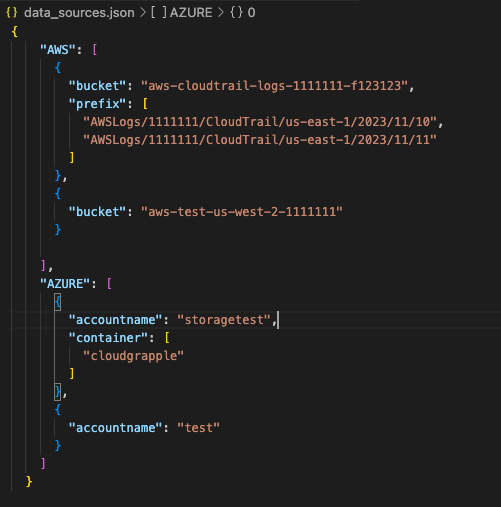
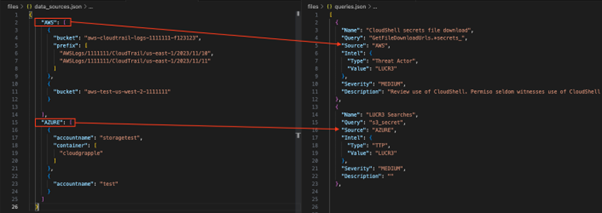
Scope Selector: Users can define the scope of their scanning through an integrated data_sources.json file, choosing to scan specific resources or a broader range of cloud infrastructure services.
Query Selector: The tool comes with a queries.json file containing predefined TTPs commonly used by threat actors. Users can modify these queries or add custom ones to tailor the scanning process.
Report Generator: After scanning, CloudGrappler produces a comprehensive report in JSON format, offering detailed insights into the scan results and enabling security teams to address potential threats swiftly.
It is based on a subset of activity from Permiso’s library of hundreds of detections, and it helps organizations detect threats targeting their cloud infrastructure.
Users can scan specific resources within their environment
Practical Applications
CloudGrappler is not just about detecting suspicious activities. it also provides valuable threat intelligence to help security professionals understand the risks in their environment and develop targeted response strategies.
Threat Activity
The tool’s output includes information on the threat actor involved, the severity of the detected activity, and a description of the potential implications.
For those interested in enhancing their cloud security posture, CloudGrappler is available on GitHub.
The repository includes detailed instructions on setting up and using the tool, making it accessible to security teams of all sizes.
As cloud environments become increasingly complex and threat actors’ activities more sophisticated, tools like CloudGrappler are essential for maintaining a robust security posture.
CloudGrappler represents a significant step forward in the fight against cybercrime by offering an open-source solution for detecting and analyzing threats in cloud environments.
You can block malware, including Trojans, ransomware, spyware, rootkits, worms, and zero-day exploits, with Perimeter81 malware protection. All are incredibly harmful, can wreak havoc, and damage your network.
This guide compiles U.S. and International resources for developing cybersecurity programs and establishing robust network protection. It covers trusted network operation and information systems security materials, focusing on confidentiality, integrity, and other key aspects. Aimed at fostering security cooperation, it includes information on cybersecurity norms, best practices, policies, and standards.
Cyber Security Toolkit for Boards
The Board Toolkit from the NCSC assists boards in embedding cyber resilience and risk management across an organization, encompassing its personnel, systems, processes, and technologies. The toolkit is designed for board members of medium to large organizations in any sector, including Boards of Directors, Boards of Governors/Advisors, Non-executive Directors, or Boards of Trustees.
Guide for Users of C2M2 and CMMC
This guide is designed for users of the Cybersecurity Capability Maturity Model (C2M2) seeking Cybersecurity Maturity Model Certification (CMMC) to fulfill DoD contractual obligations. It aims to assist these users in utilizing their existing C2M2 experience while pinpointing further actions needed for CMMC certification compliance.
Department of Defense (DoD) Cybersecurity Reference Architecture
The Cybersecurity Reference Architecture (CSRA) outlines principles, components, and design patterns for combating internal and external network threats, ensuring cyberspace survivability and operational resilience. Designed for entities needing access to DoD resources, the CSRA guides the establishment of cybersecurity, promoting integrated deterrence and strategic procurement planning.
Guide to Securing Remote Access Software
Authored by CISA, NSA, FBI, MS-ISAC, and INCD, this guide offers insights into prevalent exploitations and their related tactics, techniques, and procedures (TTPs). It also presents recommendations for IT/OT and ICS professionals and organizations on best practices in employing remote capabilities, along with strategies to identify and counteract malicious actors exploiting this software.
Incident Response Guide: Water and Wastewater Sector
In collaboration with the EPA, FBI, and sector partners, CISA has developed this Incident Response Guide (IRG) specifically for the Water and Wastewater Systems (WWS) Sector. This unique IRG offers vital information on federal roles, resources, and responsibilities throughout the cyber incident response lifecycle, enabling WWS Sector owners and operators to enhance their incident response plans and overall cyber resilience.
NIST Phish Scale User Guide
The NIST Phish Scale provides a system for those implementing cybersecurity and phishing awareness training to assess the difficulty of detecting phishing attempts in emails. This guide explains the Phish Scale and offers step-by-step instructions for applying it to phishing emails. Additionally, it includes appendices with worksheets to help trainers use the Phish Scale effectively, as well as detailed information about email characteristics and relevant research findings.
Phishing guidance: Stopping the attack cycle at phase one
This guide details common phishing techniques used by attackers and offers strategies for network defenders and software manufacturers to mitigate the impact of these attacks, including credential theft and malware deployment. Recognizing the resource constraints of some organizations, it includes specific recommendations for SMBs that lack dedicated IT staff for continuous phishing defense.
#StopRansomware Guide
This guide serves as a resource for organizations to mitigate the risk of ransomware attacks. It offers best practices for detection, prevention, response, and recovery, including detailed strategies to tackle potential threats. It was developed through the Joint Ransomware Task Force (JRTF), an interagency body established by Congress in the Cyber Incident Reporting for Critical Infrastructure Act of 2022 (CIRCIA).
Using online services safely
This guide offers practical advice for securely utilizing online services, reducing the risk of cyber attacks for small organizations. It covers essential online tools such as email, instant messaging, cloud storage, online accounting and invoice management, website or online shop hosting, and social media interaction, which are crucial for daily operations even if their use isn’t always obvious.
“At the most basic level, AI has given malicious attackers superpowers,” Mackenzie Jackson, developer and security advocate at GitGuardian, told the audience last week at Bsides Zagreb.
These superpowers are most evident in the growing impact of fishing, smishing and vishing attacks since the introduction of ChatGPT in November 2022.
And then there are also malicious LLMs, such as FraudGPT, WormGPT, DarkBARD and White Rabbit (to name a few), that allow threat actors to write malicious code, generate phishing pages and messages, identify leaks and vulnerabilities, create hacking tools and more.
AI has not necessarily made attacks more sophisticated but, he says, it has made them more accessible to a greater number of people.
The potential for AI-fueled attacks
It’s impossible to imagine all the types of AI-fueled attacks that the future has in store for us. Jackson outlined some attacks that we can currently envision.
One of them is a prompt injection attack against a ChatGPT-powered email assistant, which may allow the attacker to manipulate the assistant into executing actions such as deleting all emails or forwarding them to the attacker.
Inspired by a query that resulted in ChatGPT outright inventing a non-existent software package, Jackson also posited that an attacker might take advantage of LLMs’ tendency to “hallucinate” by creating malware-laden packages that many developers might be searching for (but currently don’t exist).
The immediate threats
But we’re facing more immediate threats right now, he says, and one of them is sensitive data leakage.
With people often inserting sensitive data into prompts, chat histories make for an attractive target for cybercriminals.
Unfortunately, these systems are not designed to secure the data – there have been instances of ChatGTP leaking users’ chat history and even personal and billing data.
Also, once data is inputted into these systems, it can “spread” to various databases, making it difficult to contain. Essentially, data entered into such systems may perpetually remain accessible across different platforms.
And even though chat history can be disabled, there’s no guarantee that the data is not being stored somewhere, he noted.
One might think that the obvious solution would be to ban the use of LLMs in business settings, but this option has too many drawbacks.
Jackson argues that those who aren’t allowed to use LLMs for work (especially in the technology domain) are likely to fall behind in their capabilities.
Secondly, people will search for and find other options (VPNs, different systems, etc.) that will allow them to use LLMs within enterprises.
This could potentially open doors to another significant risk for organizations: shadow AI. This means that the LLM is still part of the organization’s attack surface, but it is now invisible.
How to protect your organization?
When it comes to protecting an organization from the risks associated with AI use, Jackson points out that we really need to go back to security basics.
People must be given the appropriate tools for their job, but they also must be made to understand the importance of using LLMs safely.
He also advises to:
Put phishing protections in place
Make frequent backups to avoid getting ransomed
Make sure that PII is not accessible to employees
Avoid keeping secrets on the network to prevent data leakage
Use software composition analysis (SCA) tools to avoid AI hallucinations abuse and typosquatting attacks
To make sure your system is protected from prompt injection, he believes that implementing dual LLMs, as proposed by programmer Simon Willison, might be a good idea.
Despite the risks, Jackson believes that AI is too valuable to move away from.
He anticipates a rise in companies and startups using AI toolsets, leading to potential data breaches and supply chain attacks. These incidents may drive the need for improved legislation, better tools, research, and understanding of AI’s implications, which are currently lacking because of its rapid evolution. Keeping up with it has become a challenge.
Every country is developing AI laws, standards, and specifications. In the US, states are introducing 50 AI related regulations a week (Axios 0 2024). Each of the regulations see AI through the lens for social and technical risk.
Trust Me: AI Risk Management is a book of AI Risk Controls that can be incorporated into the NIST AI RMF guidelines or NIST CSF. Trust Me looks at the key attributes of AI including trust, explainability, and conformity assessment through an objective-risk-control-why lens. If you’re developing, designing, regulating, or auditing AI systems, Trust Me: AI Risk Management is a must read.
Cybersecurity professionals are increasingly prepared to moonlight as cybercriminals in a bid to top up their salaries, according to new research from the Chartered Institute of Information Security (CIISec).
The institute enlisted the help of a former police officer and covert operative to analyze dark web forum job adverts from June to December 2023.
What he found was a surprising number of what seemed to be cybersecurity professionals at various stages of their career prepared to sell their skills for nefarious ends.
“After years of working in the cybersecurity and law enforcement fields, it becomes relatively easy to spot cybercriminals from professionals moonlighting from other industries,” he explained.
“These adverts might allude to current legitimate professional roles, or be written in the same way as someone advertising their services on platforms like LinkedIn. In an industry that is already struggling to stop adversaries, it’s worrying to see that bright, capable people have been enticed to the criminal side.”
The study revealed three types of professional touting for business on underground sites:
Experienced IT and cybersecurity professionals, including pen testers, AI prompt engineers and web developers. Some claimed to work for a “global software agency” while others stated they needed a “second job”
New starters in cybersecurity looking for both work and training. Professional hacking groups also advertise for young talent, with some offering on-the-job training in areas such as OSINT and social media hacking
Professionals from industries outside cybersecurity/IT, including PR, content creation and even one out-of-work voice actor advertising for work on phishing campaigns
CIISec warned that, in many cases, salaries do not reflect the long hours and high-stress environments that many security professionals find themselves in. CIISec CEO, Amanda Finch, cited Gartner research revealing that 25% of security leaders will leave the industry by 2025 due to work-related stress.
“Our analysis shows that highly skilled individuals are turning to cybercrime. And given the number of people projected to leave the industry, many of those will be desperate enough to seek work in an area that promises large rewards for their already-existing skills and knowledge,” she argued.
“Preventing this means ensuring we are doing all we can as an industry to attract and retain talent.”
Finch called on the industry to increase salaries and improve working conditions, or risk as many as 10% of the workforce leaving a profession already experiencing persistent skills shortages.
The term “digital trust” has gained traction in the business landscape, but many people hear “digital trust” and equate it to avoiding cybersecurity incidents.
In reality, security leaders hold a significant role in this mission, but building digital trust requires much more than a high-performing security team.
Viewed in this broader sense, digital trust is defined by ISACA as the confidence in the relationship and transactions among providers and consumers within the digital ecosystem, including the ability of people, organizations, processes, information and technology to create and maintain a trustworthy digital world.
Customers expect a reasonable degree of digital trust from every organization with a digital footprint – at least the ones with which they will be willing to do business. Although they might not consciously frame it in these terms, these fundamental elements of digital trust serve as the foundation upon which consumers base their judgments about an enterprise’s trustworthiness:
Quality: Quality must meet or exceed consumer expectations.
Availability: Consumers need to be able to access accurate information in a timely manner.
Security and privacy: Consumers need assurance that their data and information are safe and protected.
Ethics and integrity: Enterprises should live up to their promised values.
Transparency and honesty: Consumers should be informed about how their information is being used. If personal information has been compromised, consumers should know how the enterprise is addressing the current situation and preventing it from happening again.
Resiliency: Enterprises must provide assurances that they are stable and can withstand adverse circumstances while simultaneously evolving to leverage new technologies and advancements.
Although commonly associated with cybersecurity, digital trust extends far beyond that realm. It can be thought of as the invisible thread that establishes a common goal and focus among several distinct organizational roles.
Within the domain of security, one question that often arises is whether zero trust equates to digital trust. The answer is no, however, zero trust can be used as a technique to reach digital trust. It is a building block or a thread that is woven throughout the digital trust ecosystem. Digital trust allows individuals and businesses to engage online with confidence that their data and digital identity are safeguarded.
Implementing zero trust processes contributes to the protection of such information.
In the context of the modern business environment, how well companies manage customers’ data and the extent to which they can securely and responsibly implement emerging technology are key steps toward delivering digital trust.
Trust: The Core of All Interactions
Throughout human history, trust has formed the fundamental basis of nearly every human interaction we experience. This significance is particularly pronounced in our rapidly evolving, digitized world, where multiple parties frequently do not have in-person interactions to exchange the sensitive and confidential information necessary for transactional purposes.
Therefore, every interaction must reinforce that the organization cares about – and has instituted effective practices in – all areas of digital trust.
Trust is not a one-time achievement; it must be consistently earned, effectively communicated and actively reinforced. This creates a fertile environment to conduct business, which in turn fuels innovation, drives economic expansion and, ultimately, generates value for all parties engaged in the interactions. Trust becomes the bedrock upon which successful and mutually beneficial relationships are built.
Edelman, which has studied trust for 20 years, puts it this way: “Trust is the foundation that allows an organization to take responsible risk, and, if it makes mistakes, to rebound from them. For a business, especially, lasting trust is the strongest insurance against competitive disruption, the antidote to consumer indifference, and the best path to continued growth. Without trust, credibility is lost and reputation can be threatened.”
Consider any consumer-driven sector and you’ll likely recognize the significant advantage that major, well-known brands have due to the trust they have painstakingly cultivated with customers. Think about how frequently you have been willing to pay a higher price for a purchase because you trust the provider to deliver on their promises, especially when compared to various competitors with less established reputations.
This trust factor often becomes a compelling driver of consumer choices, reflecting the value of a well-earned reputation for reliability and quality.
A digitally trustworthy organization understands the importance of upholding customer trust. Digital trust must be instilled throughout the organization, and initiatives should be built with digital trust in mind. This trust accrues over time. Establishing digital trust is an ongoing process that involves the continuing efforts not only regarding the creation but the maintenance of the larger ecosystem.
“Digital trust is the logical progression on the digital transformation path”
The Business Benefits of Digital Trust
Digital trust is the logical progression on the digital transformation path – in fact, three quarters of respondents to ISACA’s State of Digital Trust 2023 research indicate that digital trust is very or extremely important to digital transformation.
As businesses undergo digital transformation, customer expectations are evolving accordingly. While IT plays a pivotal role in this transformation, the shift toward prioritizing digital trust is largely being driven by businesses to benefit businesses.
Given its paramount importance to consumers and overall brand reputation, digital trust should be a central consideration across all facets of an enterprise. According to the State of Digital Trust research, the top benefits of digital trust include a positive reputation, fewer privacy breaches, fewer cybersecurity incidents, more reliable data, stronger customer loyalty, faster innovation and higher revenues.
With a list of benefits this impactful, digital trust should command the attention of boardrooms across all industries and geographies.
Digital trust involves all of us as stakeholders – including security leaders responsible for preventing data breaches that undermine trust, IT professionals who support information and systems integrity, marketing professionals who champion and promote an organization’s brand, and third-party providers upon whom the organization is reliant.
Digital trust serves as a significant catalyst for consumers’ decisions which will ultimately manifest – for better or worse – in a company’s financial performance.
Leadership’s Responsibility in the Trust Ecosystem
Leadership plays a crucial role in establishing digital trust through a concerted, organization-wide push. As with most elements that dictate a company’s success, leadership matters.
Everyone in the organization has a role in building and maintaining digital trust, but the responsibility for setting the direction and governance needs to start with senior executives.
Organizational leaders set and communicate the culture, priorities and expectations of digital trust through policies and structures, which are disseminated throughout the organization. From a governance perspective, either the full board of directors or a board committee needs to be given responsibility for governance and oversight of digital trust.
It is critically important that a focal point is created for the management team to provide updates on the advancement of digital trust to the board, similar to the practices of cybersecurity or IT audit teams. In doing so, a connection point is established for the management team to report in on digital trust progress at the board level, much like how cybersecurity or IT audit teams operate.
A Digital Trust Executive Council is a valid option to ensure proper direction and control over digital trust efforts. This would serve as a management council that should report into the executive management team and then ultimately to the board or designated committee that oversees digital trust.
The purpose of the digital trust council is to address the needs of an organization’s digital product and service consumers through the appropriate evaluation, prioritization and direction of digital trust activities, funding and programs that ultimately contribute to a trusted relationship. Consider this council the expert review panel and point of contact on digital trust decisions, measurements, guidance and alignment with the organization’s goals and objectives.
This governance connection is critically important. If organizations merely give superficial acknowledgment to the pursuit of digital trust without a governance structure and framework that is accountable to the board, then they are deceiving themselves into believing that they are making any meaningful efforts toward establishing genuine digital trust.
This is reminiscent of the old days when many companies were convinced that they were doing a great job on security without anything in the organization having a true security focus or investment – it was really just IT personnel running the show. We have learned and evolved a great deal since then, and digital trust will have to go through a similar transformation.
The role of security leadership is also crucial in establishing digital trust as a business imperative. To be effective, today’s CISOs must demonstrate their capability to wield influence and make a meaningful impact across the business.
“I think that’s the most important trait right now, because there are many security jobs that are technical analysis or coding, but to be a CISO, you have to be business-focused and be an executive leader because you’re going to be interfacing with the board, CEOs and other executives,” wrote 2021 CISO of the Year, Brennan P. Baybeck, VP & CISO for Customer Services, Oracle.
“You can’t just be talking about compliance and security all the time. You have to be helping to drive the business and directly aligning the security strategy activities to the business strategy, with a focus on enabling business,” he added.
Digital trust serves as a significant avenue for security leaders, especially CISOs, to break away from the perception that they are solely engrossed in cybersecurity with limited perspective. CISOs can effectively achieve this by championing a cross-functional digital trust team (more on this below) and ensuring that the team is resourced and supported appropriately.
Millions of voices suddenly cried out in terror and were suddenly silenced
Tue 5 Mar 2024 // 16:16 UTC
UPDATED Those trying to log into Meta’s Facebook, Instagram, and Threads for their social media fixes are facing panic this morning after being locked out of their accounts.
“We’re aware people are having trouble accessing our services. We are working on this now,” Meta spokesperson Andy Stone said in a post on the social media site formerly known at Twitter. The latter site still up and running, presumably much to Elon’s delight.
“We are aware of an issue impacting Facebook Login. Our engineering teams are actively looking to resolve the issue as quickly as possible,” Meta said on its status page in a post timestamped at 0717 PT.
Folks trying to log into the Meta-owned accounts are told their passwords are wrong. Those trying to reset their password using two-factor authentication are told there’s an error and to try again. Needless to say it isn’t working.
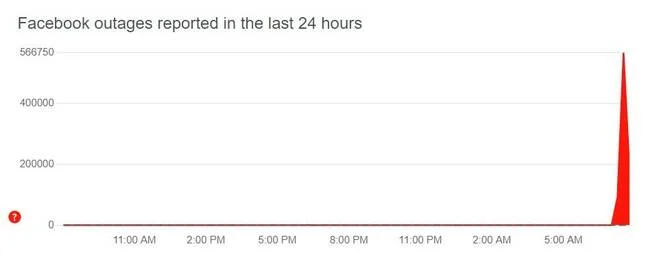
According to Downdetector over half a million users logged complaints, a huge number given the reports are usually counted in the low thousands. The problems appear to have kicked off around 0700 PT (1500 UTC) but now appear to be dropping very slightly.
We’ll update this article as the situation progresses but in the meantime don’t panic – you haven’t been hacked. On the balance of probabilities it’s probably someone pushing the wrong button.
Let’s not forget, we’ve been here before and these things sort themselves out (usually). ®
Updated to add
The US Cybersecurity and Infrastructure Security Agency (CISA) was holding pre-scheduled press briefings this morning on election security and naturally the outage was one of the first questions asked.
“We are aware of the incident and at this time we are not aware of any specific election nexus or any specific malicious cyber activity nexus to the outage. But we are aware of the incident and the global scope of it,” a CISA spokesperson said.
It’s a big day for the US today: Super Tuesday, where 15 states elect delegates to decide which candidates will run for the presidency (Hint: It’s Trump v Biden). The outage has already set conspiracy theorists all aflutter, and some hacking groups are claiming responsibility for a cyber attack, in both cases without any evidence.
Final update
All services now appears to be coming back online.
“We are recovering from an earlier outage impacting Facebook Login, and services are in the process of being restored. We apologize for any inconvenience that this may have caused,” Meta said at 0907 PT.
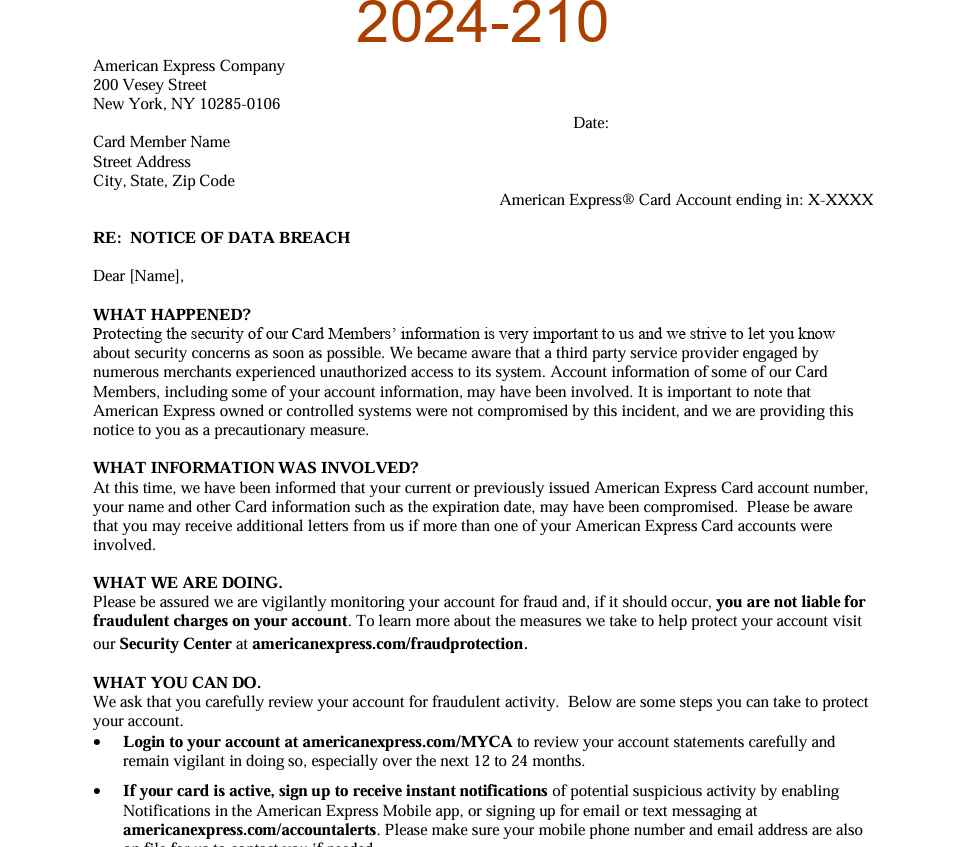
In a recent unsettling development, American Express has confirmed that sensitive information related to its credit cards has been compromised due to a data breach at a third-party service provider. This incident has raised serious concerns about the security of financial data and the implications for customers worldwide.
THE BREACH EXPLAINED
The breach was reportedly executed by a third-party merchant processor, which inadvertently allowed the sensitive information of American Express cardholders to leak onto the dark web. This exposed data includes American Express Card account numbers, expiration dates, and possibly other personal information, putting customers at risk of fraud and identity theft.
American Express has been proactive in addressing the situation, notifying affected customers and urging them to remain vigilant for signs of unauthorized activity on their accounts. Despite the breach, American Express has emphasized that its own systems were not compromised, pointing to the external nature of the security lapse.
IMPACT ON CUSTOMERS
The exposure of credit card details in a third-party data breach is a stark reminder of the vulnerabilities that exist within the digital financial ecosystem. For customers, this incident underscores the importance of monitoring their financial statements regularly and reporting any suspicious transactions immediately.
American Express has assured its customers that it is taking the necessary steps to mitigate the impact of the breach. This includes offering free credit monitoring services to affected individuals to help protect their financial information from further misuse.
INDUSTRY-WIDE CONCERNS
This incident is not isolated, as data breaches involving third-party service providers have become increasingly common. The reliance on external vendors for processing financial transactions and handling sensitive data introduces additional risks that companies must manage. It highlights the need for stringent security measures and continuous vigilance to protect against cyber threats.
MOVING FORWARD
In response to the breach, American Express and other financial institutions are likely to reassess their relationships with third-party vendors and enhance their security protocols to prevent similar incidents in the future. This may involve more rigorous vetting processes, the implementation of advanced cybersecurity technologies, and closer collaboration between companies and their service providers to ensure the highest standards of data protection.
For customers, the breach serves as a critical reminder of the need to be proactive in safeguarding their personal and financial information. This includes using strong, unique passwords for online accounts, enabling two-factor authentication where available, and being cautious of phishing attempts and other online scams.
The exposure of American Express credit card details in a third-party data breach is a concerning event that highlights the ongoing challenges in securing financial data. As the digital landscape evolves, so too do the tactics of cybercriminals, making it imperative for both companies and consumers to remain vigilant and proactive in their cybersecurity efforts. American Express’s commitment to addressing the breach and supporting its customers is a positive step, but it also serves as a call to action for the industry to strengthen its defenses against future threats.
A critical vulnerability in Facebook could have allowed threat actors to hijack any Facebook account, researcher warns.
Meta addressed a critical Facebook vulnerability that could have allowed attackers to take control of any account.
The Nepalese researcher Samip Aryal described the flaw as a rate-limiting issue in a specific endpoint of Facebook’s password reset flow. An attacker could have exploited the flaw to takeover any Facebook account by brute-forcing a particular type of nonce.
Meta awarded the researchers for reporting the security issue as part of Facebook’s bug bounty program.
The researchers discovered that the issue impacts Facebook’s password reset procedure when the user selects “Send Code via Facebook Notification.”
Analyzing the vulnerable endpoint the researcher discovered that three conditions opened the door for a brute-force attack:
The nonce sent to the user is active for longer than I expected (≈ 2 hrs)
The same nonce code was sent every time for the period.
I didn’t see any sort of code invalidation after entering the correct code but with multiple previous invalid tries (unlike in the SMS reset functionality).
Choosing the option “Send Code via Facebook Notification” will send a POST request to:
POST /ajax/recover/initiate/ HTTP/1.1
with the parameter; recover_method=send_push_to_session_login
Then the researchers attempted to send a 6-digit code ‘000000’ to analyze the POST request sent to the vulnerable endpoint:
POST /recover/code/rm=send_push_to_session_login&spc=0&fl=default_recover&wsr=0 HTTP/1.1
where “n” parameter holds the nonce.
At this stage, bruteforcing this 6-digit value had become a trivial task for the expert.
“there was no rate limiting on this endpoint, thus the matching code was responded back with a 302 status code. Use this code to log in/reset the FB account password for the user account.” reads the analysis published by Aryal.
The researcher noticed that upon exploiting this vulnerability, Facebook would notify the targeted user. The notification would either display the six-digit code directly or prompt the user to tap the notification to reveal the code.
The researcher reported the flaw to Meta on January 30, 2024, and the company addressed the issue on February 2nd, 2024. This vulnerability had a huge impact, Meta recognized it as a zero-click account takeover exploit. Aryal is currently ranked in first place in Facebook’s Hall of Fame 2024.
🔹Nipe – Script to redirect all traffic from the machine to the Tor network. 🔗https://lnkd.in/grhEtqdr
🔹OnionScan – Tool for investigating the Dark Web by finding operational security issues introduced by Tor hidden service operators. 🔗https://onionscan.org/
🔹Tails – Live operating system aiming to preserve your privacy and anonymity. 🔗https://tails.boum.org/
🔹Tor – Free software and onion routed overlay network that helps you defend against traffic analysis. 🔗https://lnkd.in/g8Uc8nB2
🔹dos-over-tor – Proof of concept denial of service over Tor stress test tool. 🔗https://lnkd.in/gAEQPvbd
76% of enterprises lack sufficient voice and messaging fraud protection as AI-powered vishing and smishing skyrocket following the launch of ChatGPT, according to Enea.
Enterprises report significant losses from mobile fraud
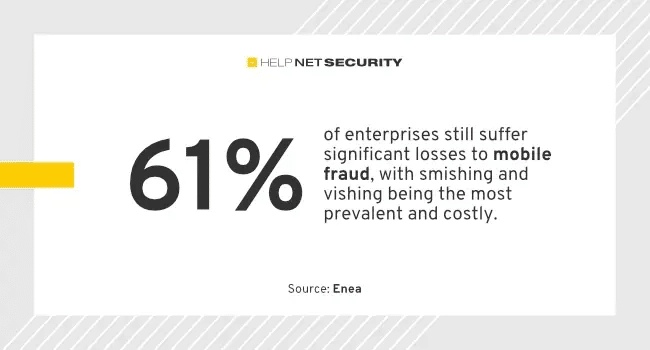
61% of enterprises still suffer significant losses to mobile fraud, with smishing (SMS phishing) and vishing (voice phishing) being the most prevalent and costly.
Enterprises account for a significant share of communication service provider (CSP) subscribers and an even greater share of their revenues. They depend on their CSP to protect them from telecom-related fraud, with 85% saying security is important or extremely important for their telecoms buying decisions.
Since the launch of ChatGPT in November 2022, vishing, smishing, and phishing attacks have increased by a staggering 1,265%.
61% of enterprise respondents said their mobile messaging fraud costs were significant, yet more than three-quarters don’t invest in SMS spam or voice scam/fraud protection.
51% said they expect their telecom operator to protect them from voice and mobile messaging fraud, citing their role as more important than that of cloud providers, managed IT providers, systems integrators or direct software vendors.
85% of enterprises say that security is important or extremely important for their telecoms purchasing decisions.
Only 59% of CSPs say they have implemented a messaging firewall, and just 51% said they have implemented a signaling firewall. 46% report adopting some threat intelligence service, essentially leaving a majority blind to new or morphing threats.
CSPs that prioritize security are better positioned to win enterprise business
Security leaders, characterized by better capabilities, better funding, and a higher prioritization of security, are less than half as likely as the followers to have a security breach go undetected or unmitigated (12% vs 25%). CSP security leaders are more likely to see security as an opportunity to generate revenues (31% vs 19%).
“We’ve observed the rapidly evolving threat landscape with growing concern, particularly as AI-powered techniques become more accessible to cybercriminals,” commented John Hughes, SVP and Head of Network Security at Enea.
“The stark increase in mobile fraud, particularly following the advent of advanced technologies like ChatGPT, underscores a critical need for enhanced network security measures. This survey highlights a significant disconnect between enterprise expectations and the current capabilities of many CSPs, and our ongoing mission is to help the sector bridge that gap and safeguard networks and users,” concluded Hughes.
Maintaining and enhancing mobile network security is a never-ending challenge for CSPs. Mobile networks are constantly evolving – and continually being threatened by a range of threat actors who may have different objectives, but all of whom can exploit vulnerabilities and execute breaches that impact millions of subscribers and enterprises and can be highly costly to remediate.
To bridge this gap, CSPs must overcome challenges such as a lack of skilled staff to handle potential security breaches, a lack of budget to invest in adequate security tools, and internal organizational complexity preventing them from prioritising security.
France’s National Cybersecurity Agency (ANSSI) observed a significant rise in cyber espionage campaigns targeting strategic organizations in 2023.
These operations are increasingly focused on individuals and non-governmental structures that create, host or transmit sensitive data, ANSSI observed in its 2023 Cyber Threat Landscape report, published on February 27, 2024.
Besides public administration, the primary targets of cyber espionage activity included organizations associated with the French government, such as technology and defense contractors, research institutes and think tanks.
Overall, cyber espionage remained the top cyber threat ANSSI’s teams dealt with in 2023.
ANSSI has also noted an increase in attacks against business and personal mobile phones aimed at targeted individuals.
There has also been an upsurge in attacks that have used methods publicly associated with the Russian government.
“These attacks are not limited to mainland French territory: in 2023, ANSSI dealt with the compromise of an IT network located in a French overseas territory using an attack modus operandi publicly associated with China,” reads the report.
30% Rise in Ransomware
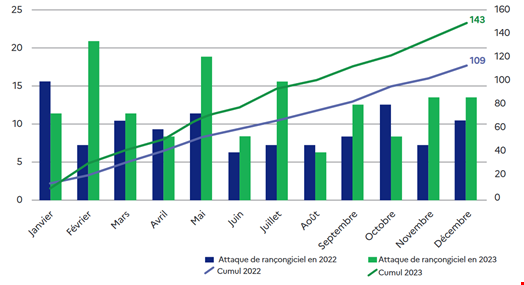
Meanwhile, financially motivated attacks were also on the rise, with an observed 30% increase in ransomware attacks compared to 2022.
Monthly and yearly breakdown of ransomware attacks reported to ANSSI in 2022 (in blue) and in 2023 (in green). Source: ANSSI
Small and medium enterprises (SMEs) and mid-sized businesses were the most targeted organizations, representing 34% of all cyber-attacks observed by ANSSI in 2023. Local administration came second, suffering 24% of all attacks in 2023.
In total in 2023, ANSSI recorded 3703 cyber events, 1112 of which were labeled as cyber incidents. In 2022, it recorded 3018 cyber events, including 832 cyber incidents.
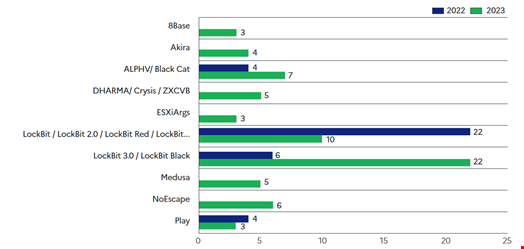
The latest version of the LockBit ransomware, LockBit 3.0 (aka LockBit Black), was the most used malware in financially motivated cyber-attacks in 2023, taking over previous ransomware versions from the same threat group that dominated the ransomware landscape in 2022.
Top Ransomware versions detected by ANSSI in cyber-attacks targeting French organizations. Source: ANSSI
Overall, 2023 has seen significant changes in the structure and methods of attackers. They are perfecting their techniques in order to avoid being detected, tracked, or even identified.
“Despite efforts to improve security in certain sectors, attackers continue to exploit the same technical weaknesses to gain access to networks. Exploiting ‘zero-day’ vulnerabilities remains a prime entry point for attackers, who all too often still take advantage of poor administration practices, delays in applying patches and the absence of encryption mechanisms,” reads the report, translated from French to English by Infosecurity.
The top five vulnerabilities exploited by threat actors to compromise French organizations’ IT systems in 2023 include flaws in VMWare, Cisco, Citrix, Atlassian and Progress Software products.
Pre-Positioning Activities on ANSSI’s Radar for 2024
Finally, in a tense geopolitical context, ANSSI noted new destabilization operations aimed mainly at promoting a political discourse, hindering access to online content or damaging an organization’s image.
“While distributed denial of service (DDoS) attacks by pro-Russian hacktivists, often with limited impact, were the most common, pre-positioning activities targeting several critical infrastructures in Europe, North America and Asia were also detected.
“These more discreet activities may nevertheless be aimed at larger-scale operations carried out by state actors waiting for the right moment to act,” the report explained.
Vincent Strubel, ANSSI’s director general, commented: “While financially motivated attacks and destabilization operations saw a clear upturn in 2023, it was once again the less noisy threat, which remains the most worrying, that of strategic and industrial espionage and pre-positioning for sabotage purposes, which mobilised the ANSSI teams the most.”
These geopolitically driven threats will particularly be on ANSSI’s radar in 2024, as Paris is prepares to host the 2024 Olympic and Paralympic Games.
How to learn it…As a Cybersecurity professional you learn something new everyday, as this is an evolving field. Happy Learning!
Learning cybersecurity involves a combination of formal education, self-study, hands-on practice, and staying updated with the latest developments in the field. Here’s a step-by-step guide to help you get started:
Understand the Basics: Familiarize yourself with the fundamentals of computer science, networking, and operating systems. This will provide you with a strong foundation for understanding cybersecurity concepts.
Choose a Learning Path: Cybersecurity is a broad field with various specializations such as network security, ethical hacking, digital forensics, and cloud security. Decide which area interests you the most and focus your learning efforts accordingly.
Take Online Courses: There are numerous online platforms offering cybersecurity courses for beginners to advanced learners. Some popular ones include Coursera, Udemy, Pluralsight, and Cybrary. Look for courses that cover topics like cryptography, malware analysis, penetration testing, etc.
Earn Certifications: Certifications can validate your skills and knowledge in specific areas of cybersecurity. Some widely recognized certifications include CompTIA Security+, Certified Ethical Hacker (CEH), Certified Information Systems Security Professional (CISSP), and Offensive Security Certified Professional (OSCP).
Practice with Hands-on Labs: Hands-on experience is crucial in cybersecurity. Set up a lab environment using virtualization software like VirtualBox or VMware, and practice implementing security measures, performing penetration tests, and analyzing malware.
Read Books and Whitepapers: Supplement your online learning with books and whitepapers written by cybersecurity experts. These resources provide in-depth insights into advanced topics and real-world case studies.
Join Cybersecurity Communities: Engage with cybersecurity communities and forums to connect with fellow enthusiasts and professionals. Websites like Reddit’s r/netsec and Stack Exchange’s Information Security offer valuable discussions and resources.
Participate in Capture The Flag (CTF) Competitions: CTF competitions are cybersecurity challenges where participants solve various tasks related to hacking, reverse engineering, cryptography, etc. Participating in CTFs is an excellent way to sharpen your skills and learn new techniques.
Stay Updated: Cyber threats evolve rapidly, so it’s essential to stay updated with the latest news, trends, and vulnerabilities. Follow cybersecurity blogs, subscribe to industry newsletters, and attend conferences and webinars.
Consider Formal Education: If you’re serious about pursuing a career in cybersecurity, consider enrolling in a degree program or bootcamp specializing in cybersecurity. A formal education can provide you with structured learning and access to industry experts.
Remember that cybersecurity is a continuously evolving field, so be prepared to adapt and keep learning throughout your career. Good luck on your learning journey!
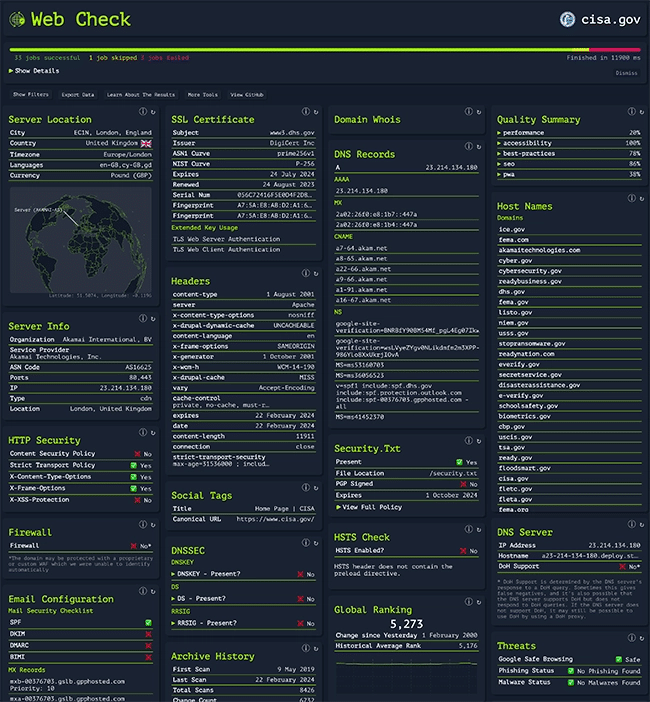
Web Check offers thorough open-source intelligence and enables users to understand a website’s infrastructure and security posture, equipping them with the knowledge to understand, optimize, and secure their online presence.
Unlike similar services, Web Check is free. There’s no signup, tracking, logging, or ads. Anyone can deploy their instance easily.
Web Check features
Web Check provides insight into the inner workings of any specified website, enabling users to identify possible security vulnerabilities, scrutinize the underlying server architecture, inspect security settings, and discover the various technologies employed by the site.
Currently, the dashboard will show IP info, SSL chain, DNS records, cookies, headers, domain info, search crawl rules, page map, server location, redirect ledger, open ports, traceroute, DNS security extensions, site performance, trackers, associated hostnames, carbon footprint.
“When you’re looking into any website or server, either as part of an OSINT investigation or just out of curiosity, there’s a couple of checks that you always start with. Think domain registrar records, SSL chain, server info, page list, tech stack, etc. None of these are hard to find individually, usually with a combination of bash commands and online tools. However, fetching, collating, and analyzing all this data is time-consuming. I created Web Check to automate this process. It locates, processes, and visualizes everything you need to provide a good starting point for your investigation. It takes just seconds to generate a full report, with no fluff,” Alicia Sykes, the creator of Web Check, told Help Net Security.
Future plans
“I’m always looking for ways to increase and improve the data returned. The web scene is constantly changing, so there are always new and interesting insights you can glean from sites. I’m working on some new checks to include this data. I’m also working on a public API to be used programmatically or integrated into researchers’ existing workflows. Due to it being free to use, I must also improve performance to keep compute costs down continuously,” Sykes concluded.