Sep 04 2023

Is the new OWASP API Top 10 helpful to defenders?

Category: API securitydisc7 @ 9:50 am

The OWASP Foundation’s Top Ten lists have consistently aided defenders in directing their attention towards particular technologies, and the OWASP API (Application Programming Interface) Security Top 10 2023 is no different. Originally formulated five years ago and recently revised, its goal is to tackle evolving attack techniques.

API Security in Action

However, the OWASP API Security Project leaders had their work cut out when deciding how to group and prioritize the threats. The list is put together based upon industry input and must reflect compliance concerns, so it was never going to completely satisfy all people. The question is, does it go far enough to be of value to those in the thick of it when it comes to API development and defense?

What has changed and what has stayed the same?

By comparing the old and the new list, we can see that the top two threats – API1 Broken Object Level Authorization (BOLA) and API2 Broken User Authentication – have remained unchanged. API1 denotes the manipulation of the identification of an object that is sent within a request to the API while API2 marks the abuse of authentication mechanisms through attacks such as credential stuffing, including forgotten/rest password functions. They provide the quickest wins for attackers, and it’s easy to see why these continue to the top the list.

API3 replaced Excessive Data Exposure with Broken Object Property Level Authorization. Does this mean we have solved the problem of sensitive data exposure? Alas, no, it continues to be a huge problem. What this change signifies is the next stage an attacker would take when exploiting sensitive data exposure, i.e., break through the property level authorization. So why has the Project decided to make the change? Probably for the sake of clarity, because sensitive data exposure is an issue that spans the rest of the list. But some, including myself, would argue that this isn’t the right way to present the issue, because it declasses what is a very serious issue.

Similarly, API6 was Mass Assignment in 2019 and is now Unrestricted Access to Sensitive Business Flows. Are they different? Not really. Both are talking about taking advantage of objects and their properties within the application flow, with the examples listed on the project page referring to a ride share app where functionality is exploited in the backend. There is, however, something subtle about the naming that makes the 2023 version seem like something that needs to be fixed, rather than being nebulous and confusing, so in that respect it is an improvement.

Bring bots into the mix

API6 also plays to how an API that isn’t functioning properly can swiftly end up with attack automation being utilized against it in the form of bot attacks. This is important because there’s always been an artificial distinction made between API and bot attacks, with the security sector offering different solutions for each when the reality is that automated attacks can and are launched against APIs. So, it no longer makes sense to monitor for API attacks and bot attacks separately: bot mitigation has to become part of API security. This is apparent in our recent report, which revealed that automated attacks dwarfed other TTPs in the analysis of traffic during the last quarter of 2022.

Overall, the new list largely redefines many of the previous tactics, techniques and procedures (TTPs) in a bid to be more inclusive. API4, for instance, has moved from Lack of Resources and Rate Limiting to become Unrestricted Resource Consumption, reflecting the fact that rate limiting extends beyond the issue of network capacity. Other resources that can be abused if limits are not set include CPU, memory and storage, for example, but just as importantly, service providers can find service resources maxed out by API requests. They may provide emails, texts or phone calls and a repeat API request can see that service provider rack up huge service costs.

However, there are some changes in the order and new concepts in there towards the end. API7 Security Misconfiguration drops a place to API8 as there has been progress made in this area.

API7 is now Server Side Request Forgery (SSRF). APIs are a prime target for SSRF attacks because they routinely channel outbound traffic from an application. Developers often access external resources, such as web hooks, file fetching from URLs or custom SSO and URL previews – states the Project – or cloud or container providers expose management and control channels to compromise via HTTP. And the old API8, Injection attacks? That’s no longer a separately categorized threat again because it’s typically adopted in many of the other attack types.

Significant changes

API9 sees another subtle but important change in the wording: from Improper Assets Management to Improper Inventory Management. This reflects the heightened number of shadow APIs that are out there which once deployed are no longer monitored and effectively fall off the security team’s radar. Unmanaged, unknown and unprotected, these APIs are then sitting ducks for attackers who now actively search for them. In fact, we found that 45 billion search attempts were made for shadow APIs during the second half of 2022, compared to five billion during the first six months. A runtime API inventory that continuously monitors production APIs is therefore vital to ensure all APIs that go live are protected yet it’s one of the key failings in organisations today.

Finally, API10 has changed from Insufficient Logging and Monitoring, now largely covered by API9, to Unsafe Consumption of APIs. This reflects the extension we’ve seen of the API software chain, with APIs now often being integrated with other APIs. The problem that has arisen is that developers tend to inherently trust interactions with these external APIs, particularly from well-known companies, even though they may be flawed and/or be leaking data.

Clearly a great deal of thought has gone into adjusting the OWASP API Top Ten to more accurately address the TTPs that attackers are now using. The result sees both minor and some major changes to the list all of which are justified. Indeed, it’s not the descriptors but the list itself that is problematic. It’s an arbitrary concept that’s designed to attract attention to and heighten the profile of API security but does it do anything to further how we defend against these attacks?

How it holds up under an attack scenario

If we use breach analysis, we can compare a typical breach to the categories in the list to see how the concept stacks up. Many breaches start out with an API that the victim organization was unaware they had ( API9 in the 2023 list). This API is then found to return some kind of data about a user that isn’t the attacker (API1). Now the attacker is going to create attack automation using a bot to try to exploit this as quickly and as completely as possible (API6), completing the attack chain and giving the attacker access to data hidden in the victim organization’s systems.

It’s evident that such an attack would cross at least three of the attack categories so prioritizing them becomes immaterial. Indeed, such trinity attacks are gaining ground, with 100 million detected during the first half of 2022.

What’s more, as well as seeing attackers pivot during an attack and utilize known TTPs, we are also seeing them come up with unique TTPs to attempt to subvert the API. These grew more than fivefold between June and November (from 2,000 to 11,000). Most of those attacks were geared towards achieving account takeover (ATO), scraping to perform reconnaissance or to exfiltrate data, and hunting for business logic flaws within the API to commit fraud.

Keeping up with such diverse attacks requires the security team to focus not just on its defense but methods of detection and mitigation. Whether it is knowing where APIs are, testing them for flaws or stopping bots attacking unknown flows, API security needs to become more comprehensive, tracking and protecting the API throughout its entire lifecycle.

A sound summary of TTPs

The new OWASP API Top 10 may not be perfect, but it does cover the bases and provides a great starting point from which to address the topic. It now recognizes that some attack methods such as sensitive data and exposure and injection attacks span multiple TTPs and so do not require a separate category. It also amplifies the need for bot mitigation as part of API security, and the complex nature of API ecosystems that are seeing them integrated with one another, for instance.

But its structure is not conducive to showing how these attacks are being used in the wild. It still compartmentalizes these attacks when threat actors are becoming much more versatile and combining them.

Realistically, the only way of keeping pace with this rapidly evolving threat landscape is to monitor and manage those APIs. Creating a runtime inventory, conducting API threat surface assessments, carrying out specification anomaly detection and putting in place real-time automated bot detection and mitigation are all now essential to protect the API footprint of the business.


API Security

InfoSec tools | InfoSec services | InfoSec books | Follow our blog | DISC llc is listed on The vCISO Directory
Tags: API Security, OWASP API


Sep 03 2023

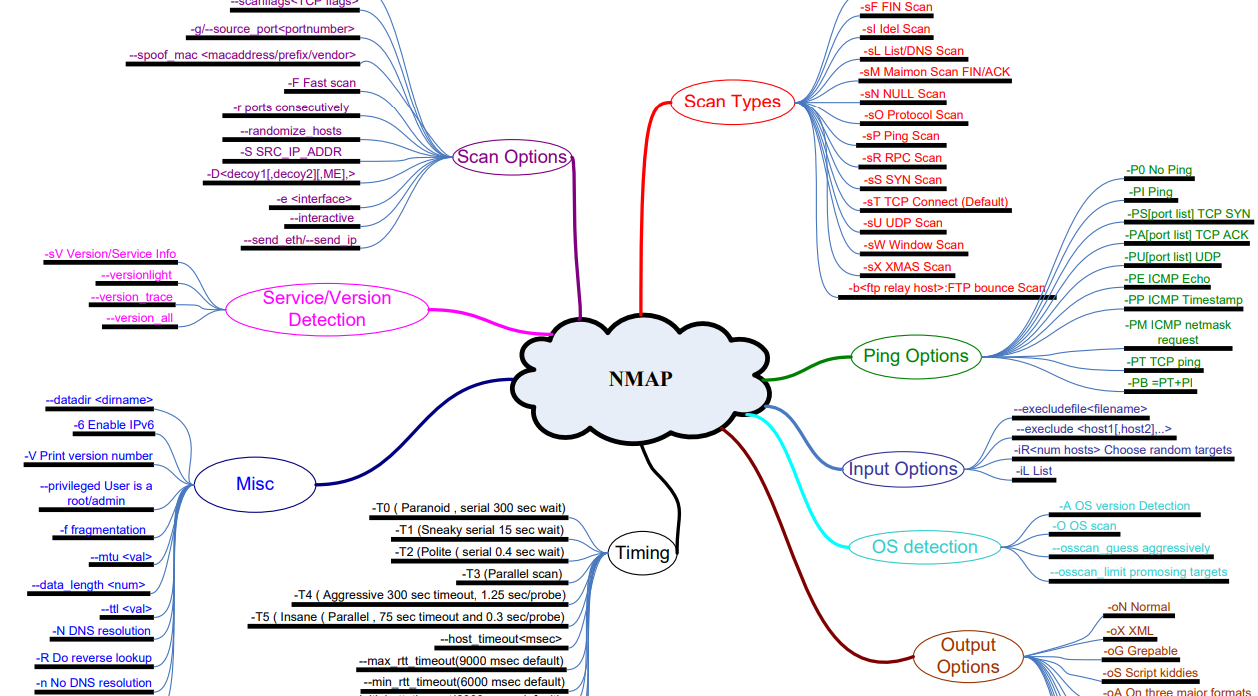
Nmap cookbook, cheat sheet and mindmap

Category: Information Security,Network securitydisc7 @ 9:28 am

Nmap Network Exploration and Security Auditing Cookbook: Network discovery and security scanning at your fingertips

Mastering Nmap: A Comprehensive Guide to Network Discovery and Security

Nmap 7: From Beginner to Pro

InfoSec tools | InfoSec services | InfoSec books | Follow our blog | DISC llc is listed on The vCISO Directory
Tags: Nmap, Nmap network scanning


Aug 31 2023

THIS CODE ALLOW TO HACK INTO JUNIPER SRX FIREWALLS AND EX SWITCHES

Category: Hackingdisc7 @ 8:04 am

Juniper Networks, a company that manufactures widely used networking equipment as well as security solutions, has issued a warning about vulnerabilities that are present in the operating systems of many of its devices.

The business has acknowledged in not one but two distinct security alerts that were either released or revised this week that the Junos OS and the Junos OS Evolved operating systems may be susceptible to attacks. Additionally, the corporation issued an updated warning about vulnerabilities that are present in the SRX firewalls and EX switches used by the company.

In a fresh warning it said that earlier versions of the operating systems might get stalled due to the processing of erroneous messages in the code known as the Border Gateway Protocol (BGP), which is responsible for directing all traffic on the internet.

To be more specific, a “UPDATE” message that is formatted in a particular manner “will eventually create a sustained Denial of Service (DoS) condition for impacted devices,” which would prevent such devices from carrying out their duties.

A security advisory that had been issued in June and was connected to BGP was also updated by the business on Wednesday. This issue also addressed the possibility of attacks that denied service to users.

In both instances, the corporation was providing workarounds as a means of resolving the problems “out of cycle” from its typical operating system update releases.

A third warning, issued on August 17 and most recently updated on Wednesday, refers to vulnerabilities in J-Web, which is an interface for the SRX firewalls and EX switches used by the firm, which researchers in the security field at Watchtower Labs investigated.

In such a scenario, “an unauthenticated, network-based attacker” has the ability to link together the exploitation of the vulnerabilities “to remotely execute code on the devices.”

In addition, the Cybersecurity and Infrastructure Security Agency (CISA) released a brief advisory on Wednesday about the vulnerabilities in the operating system.

In addition to that, researchers carried out extensive study, the results of which offered a comprehensive understanding about the exploitation of this weakness as well as the vulnerabilities associated to it.

In the course of their investigation, the researchers focused on two particular vulnerabilities in Juniper (CVE-2023-36846 and CVE-2023-36845), both of which were described in the company’s security advisory. Both of these vulnerabilities, Missing authentication for key functions and PHP External Variable Modification, have something in common: they both affect PHP.

After further investigation, it was found that the J-Web was totally developed in PHP, and that the authentication process is handled by a user class. In addition, a PHP file called webauth_operation.php was found.

In addition, a total of 150 distinct functions, which served a variety of purposes ranging from basic aids to the formatting of IP addresses, were found to be in use. These functions ranged in complexity from simple to complicated. Every one of these tasks required interaction with the command line interface (CLI) of the appliance.

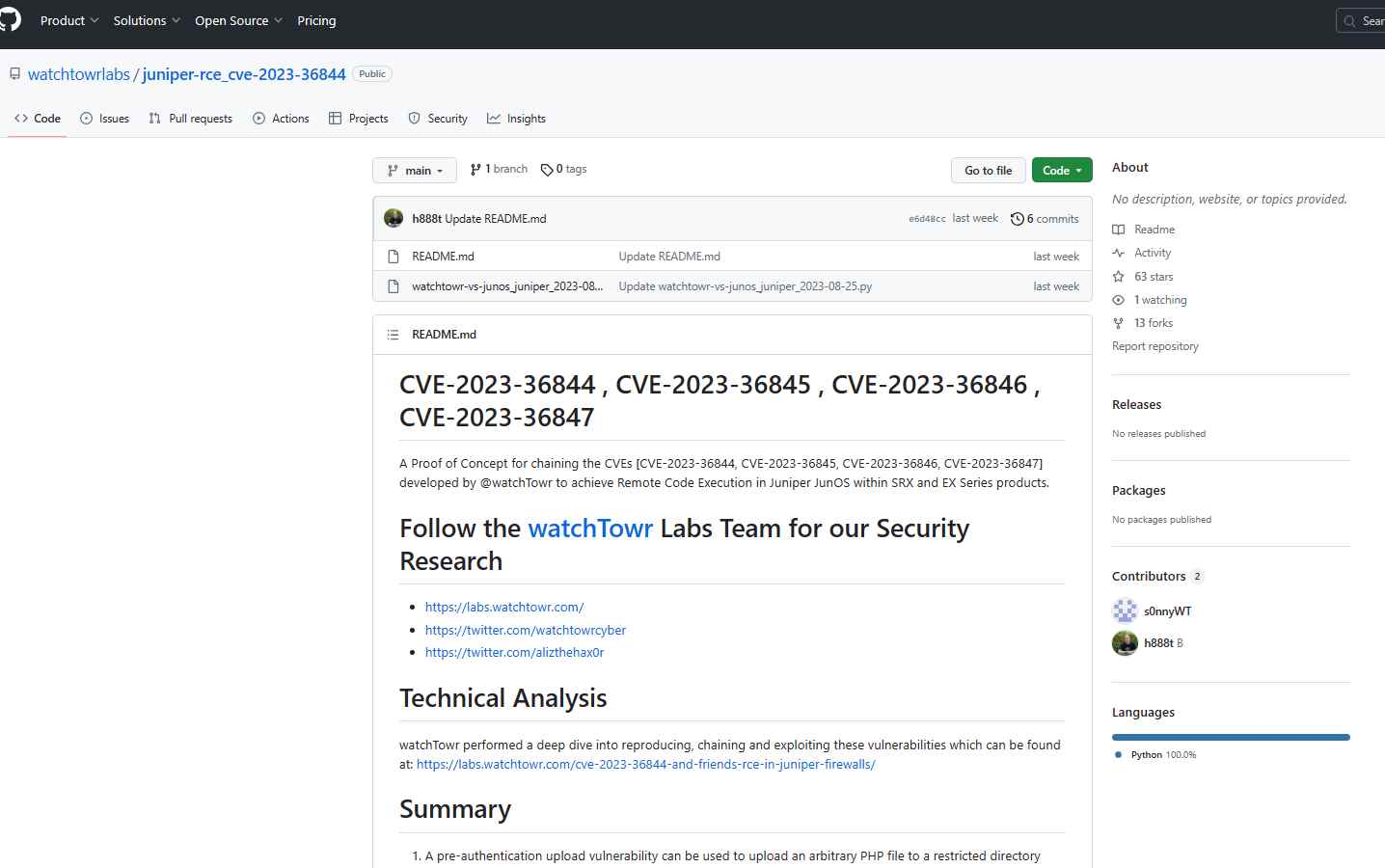
Researchers from Watchtwr have produced a comprehensive analysis, which can be seen on their website. The report contains in-depth information on these vulnerabilities as well as the techniques used to attack them.

It has been announced that a repository on GitHub containing the Proof-of-concept for this vulnerability has been made available. Security professionals may utilize this repository to test and repair their susceptible environments using the Proof-of-concept.

Future Crimes Everything Is Connected Everyone Is Vulnerable and What We Can Do About It

InfoSec tools | InfoSec services | InfoSec books | Follow our blog | DISC llc is listed on The vCISO Directory

Tags: JUNIPER SRX FIREWALLS


Aug 30 2023

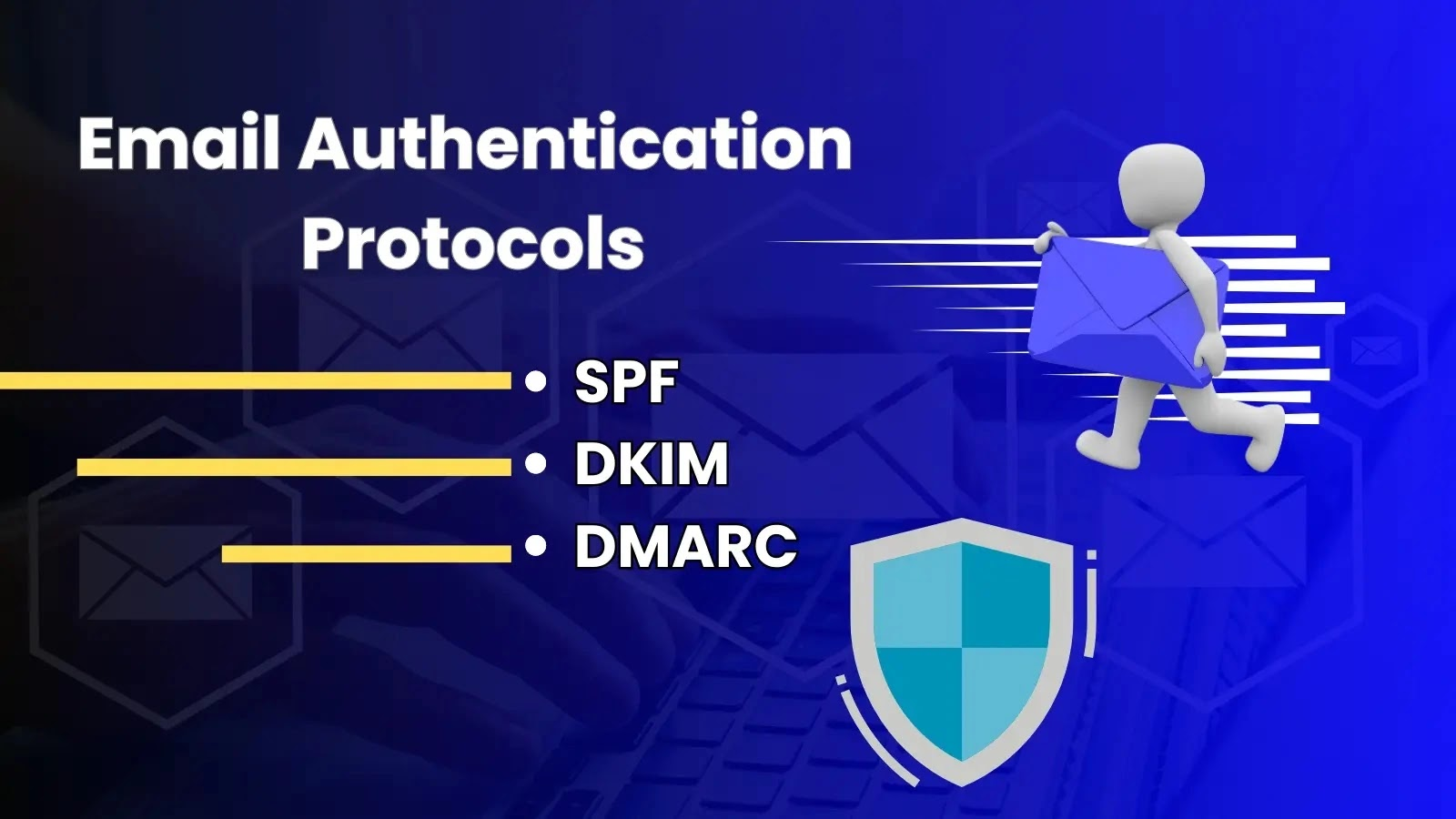
Email Authentication Protocols: SPF, DKIM, and DMARC – A Detailed Guide

Category: Email Securitydisc7 @ 9:12 am


Email communication is essential for personal and professional contact in the modern digital environment.

Email is widely used, making it a perfect target for cybercriminals, leading to increased phishing attempts, spam, and email spoofing.

Strong email security measures are becoming essential as these threats become more sophisticated. Email authentication techniques like SPF, DKIM, and DMARC are crucial in situations like this.

By authenticating the sender’s identity and confirming the accuracy of the received messages, these procedures act as the first line of protection against email-based threats.

This article will thoroughly review these three important email authentication methods, including their roles, how they cooperate, and why they are crucial for upholding a reliable and secure email communication infrastructure.

What are Email Authentication Protocols?

Secure email communications can be achieved through Email Authentication Protocols, standards, or technologies that validate the sender’s identity and protect the message’s integrity.

These standards aim to protect users from spam, phishing, and other malicious email-based assaults.

As a bonus, they make it less likely that a good email will be incorrectly deleted as spam or malware.

Here are the primary email authentication protocols commonly in use:

  • Sender Policy Framework (SPF)
  • DomainKeys Identified Mail (DKIM)
  • Domain-based Message Authentication, Reporting, and Conformance (DMARC)

Sender Policy Framework (SPF)

The Sender Policy Framework (SPF) is an email authentication technology developed to prevent spam.

By letting domain owners choose which mail servers can send emails on their behalf, SPF assists receiving servers in authenticating the sender of incoming messages.

For this purpose, the DNS records of the domain are consulted to ensure that the emails come from the addresses they claim to represent.

The Sender Policy Framework (SPF) aims to improve email security by limiting the possibility that an unauthorized sender may use a specific domain in the “From” address.

This helps keep the sender’s and the recipient’s inboxes free of unwanted messages and strengthens the confidence each party has in email.

How It Works

  • Domain owners create SPF records showing trusted IP addresses and domains from which emails can be sent.
  • Email servers do a Sender Policy Framework (SPF) record check whenever they receive an email.
  • When a message is received, the server checks the IP address to see if it is one of the approved senders mentioned in the SPF record.
  • The SPF check is successful if the sending IP address is known and accepted; otherwise, the email may be flagged as suspicious and deleted.

How Do Attackers Abuse SPF:

Sender Policy Framework (SPF) is an email authentication system that checks the sender’s name to stop email spoofing and phishing. But, like any other system, SPF isn’t completely safe from possible attack vectors. Here are some possible ways to attack SPF:

Manipulating SPF Records: Attackers could try to change or create SPF records by changing the DNS records of a domain. This would let them list unauthorized IP addresses or servers as valid senders. This can make it possible for tactics like spoofing or phishing to work.

Domain Hijacking: If an attacker takes control of a legal domain, they can change the SPF records to include their own malicious servers. This can cause bad emails that look like they came from a trusted source to be sent.

Subdomain Attacks: SPF records are often set up for an organization’s primary domain, but they might forget to set up SPF records for subdomains. Attackers who send emails from subdomains without the proper SPF records can use this against you.

Inadequate SPF Policies: Organizations may have weak SPF policies that let many IP addresses send emails on their behalf. This can give attackers a bigger pool of possible IP numbers to trick people.

DomainKeys Identified Mail (DKIM)

DomainKeys Identified Mail (DKIM) is an email authentication technology that uses encryption to confirm an email’s authenticity.

The sending server adds a distinctive DKIM signature using a private key to each email. The receiving server verifies the signature of the incoming email using a public key obtained from the sender’s DNS records.

If it matches, the email can be trusted as genuine and safe from tampering. DKIM is designed to prevent email spoofing and phishing attacks and guarantee the safe delivery of email communications by verifying the sender’s domain and the message’s encrypted signature.

How It Works

  • Using a private key, the email’s computer makes a digital signature.
  • The email packaging has been changed to include this signature.
  • From the DNS records, the email server that receives the email gets the sender’s public key.
  • The digital signature is then decrypted and checked using the public key.
  • The genuine email has not been changed if the signature is correct.

How Do Attackers Abuse DKIM

  1. Private Key Compromise: DKIM relies on a private key stored on the sending server to sign outgoing emails. If an attacker gains access to the private key, they can sign malicious emails that recipients might consider legitimate, as the DKIM signature would appear valid.
  2. DNS Record Manipulation: DKIM public keys are stored in DNS records as text (TXT) records. If an attacker gains control over a domain’s DNS records, they could modify or replace the DKIM public key, allowing them to sign fraudulent emails that appear authentic.
  3. Subdomain Spoofing: Organizations might configure DKIM for their main domain but overlook implementing it for subdomains. Attackers could then send emails from subdomains that lack proper DKIM signing, making it harder for recipients to verify the email’s authenticity.
  4. Key Length and Algorithms: If an organization uses weak encryption algorithms or short key lengths for DKIM signing, it becomes easier for attackers to crack the encryption and forge DKIM signatures.

Solution: Organizations should adopt efficient incident response plans, regularly monitor email traffic for anomalies, and stay updated on emerging threats to stay ahead of the evolving email threat landscape with AI-powered solutions like Trustifi.

Domain-based Message Authentication, Reporting, and Conformance (DMARC)

To improve upon SPF and DKIM, a new email authentication protocol called Domain-based Message Authentication, Reporting, and Conformance (DMARC) was developed.

Domain administrators can instruct receiving mail servers on what to do with messages that do not pass authentication.

Domain owners can direct mail servers to stop accepting spam by adding a DMARC policy record to their DNS settings. Email traffic and any security risks can be better understood using DMARC’s reporting features.

DMARC is designed to strengthen email security by adding an extra layer of verification, decreasing phishing and spoofing, and increasing the credibility and delivery of legitimate communications.

How it Works

  • The receiving server references the DMARC policy if SPF or DKIM authentication fails.
  • The DMARC policy can direct the server to take various actions, such as classifying spam, placing it in quarantine, or outright rejecting it.
  • To improve their email protection measures, domain administrators can use forensic and aggregate data on authentication activity.

DMARC Attack Vector

Aggressive Enforcement: Some organizations may choose to use DMARC with a strategy of “quarantine” or “reject” right from the start. This can work, but if the policy isn’t carefully set, it can also cause valid emails to be blocked.

Reporting Address Spoofing: Attackers could try to change the DMARC reporting address to send reports of failed DMARC checks to sites they control. This could give them a chance to learn more about how the organization’s email system works.

Targeted Spoofing: Attackers could try to pose as people or parts of an organization that haven’t fully set up DMARC. This specific method makes it more likely that their emails will be read.

As with other email-related attacks, attackers could use social engineering to get receivers to ignore DMARC warnings or think a DMARC-failed email is real.

Where are SPF, DKIM, and DMARC Records Stored?

Spf records:

SPF records are TXT (text) records in the DNS. Emails from this domain must be sent from the IP addresses or parts specified in these records.

The recipient’s email server will check the SPF record for the sender’s field in the Domain Name System (DNS) to ensure the email is legitimate.

Example SPF record:

v=spf1 ip4:192.0.2.1 ip6:2001:db8::1 include:example.com all

DKIM Records: 

DKIM records are similarly stored in DNS, although they are TXT entries. These entries store the public key to authenticate the domain’s digital signatures in outgoing emails.

The DKIM record is retrieved from the DNS by the receiving email server, which then uses the public key to verify the signature and ensure the email’s authenticity.

Example DKIM record:

v=DKIM1; k=rsa; p=MIGfMA0GCSqGSIb3DQEBAQUAA4GNADCBiQKBgQDnWLKu6qIH66AjqkMYyq3A5bkD

  sY+T4rQzSXFJWzh7DQoKmmrkRDbCIPRrkRHF/EpTExGDD2P8WOEqdGTfVbRy14

  5k3soVGMItcL1QvWskhNKLQYGJME6XE1WUCmAw29FcYKavqnGQFWFpDBIMVFOFw

  7/TZS0Lj1QIDAQAB

DMARC Records:

DNS also stores DMARC records in the TXT record format. The measures to take if an email fails SPF or DKIM checks are provided in the domain’s DMARC policy, defined by these records.

To keep the domain owner aware of authentication actions, DMARC additionally provides reporting tools.

Example DMARC record:

v=DMARC1; p=quarantine; pct=25; rua=mailto:reports@example.com; ruf=mailto:forensics@example.com

Checking an Email for SPF, DKIM, and DMARC Compliance

It takes multiple procedures and the capacity to query DNS records to ensure an email complies with SPF, DKIM, and DMARC.

Here are the measures taken to ensure that an email adheres to these standards:

Check SPF Compliance:

  • Extract the IP address of the email server that sent the email from the email headers.
  • Retrieve the SPF record from the domain’s DNS that the email claims to be sent from. This is usually found in a TXT record in the domain’s DNS.
  • Check if the sending server’s IP address is listed in the SPF record. If it is, the email passes the SPF check; otherwise, it fails.

Check DKIM Compliance:

  • Check the email headers for a DKIM signature. This will usually be found in a header field called ‘DKIM-Signature’.
  • Extract the ‘d=’ parameter from the DKIM signature to find the signing domain and the ‘s=’ parameter to find the selector.
  • Retrieve the DKIM public key from the DNS of the signing domain. This will be found in a TXT record at selector>._domainkey.signing domain>’.
  • Use the public key to verify the DKIM signature in the email header. If the signature is valid, the email passes the DKIM check; otherwise, it fails.

Check DMARC Compliance:

  • Ensure that the email has passed both the SPF and DKIM checks. At least one of them must pass for the DMARC check to pass.
  • Retrieve the DMARC record from the domain’s DNS from which the email claims to be sent. This is usually found in a TXT record at ‘ _dmarc.domain>’.
  • Check if the ‘From’ address domain matches the SPF domain or the DKIM signing domain. If it does, then the email passes the DMARC alignment check.
  • Follow the policy specified in the DMARC record for handling emails that fail the DMARC check.

How to configure SPF, DKIM, and DMARC for a domain

Configure SPF:

  • Identify Authorized IP addresses or servers: Determine the IP addresses or servers authorized to send email on behalf of your domain.
  • Create an SPF Record: Create an SPF record by creating a TXT record in your domain’s DNS settings. The value of this TXT record will start with ‘v=spf1’ followed by the authorized IP addresses or servers.
Example SPF Record: 'v=spf1 ip4:192.168.0.1 -all'

This example authorizes the IP address ‘192.168.0.1’ to send emails on behalf of your domain and denies all others.

  • Update DNS Settings: Add the SPF record to your domain’s DNS settings.

Configure DKIM:

  • Generate a DKIM Key Pair: Generate a public-private key pair for DKIM. Your email server will use the private key to sign outgoing emails, and your domain’s DNS settings will make the public key available.
  • Configure Email Server: Configure your email server to sign outgoing emails using the private DKIM key.
  • Create a DKIM Record: Create a DKIM record by creating a TXT record in your domain’s DNS settings.
  • The name of this TXT record will be in the format selector>._domainkey.yourdomain>’, and the value will contain your DKIM public key.
Example DKIM Record: 'v=DKIM1; k=rsa; p=MIGfMA0...'

This example specifies that the key type is RSA and includes the public key.

  • Update DNS Settings: Add the DKIM record to your domain’s DNS settings.

Configure DMARC:

  • Create a DMARC Record: Create a DMARC record by creating a TXT record in your domain’s DNS settings. The name of this TXT record will be ‘_dmarc.your domain>’, and the value will contain your DMARC policy.
Example DMARC Record: 'v=DMARC1; p=reject; rua=mailto:report@example.com'

This example specifies that emails that fail the DMARC check should be rejected and that reports should be sent to ‘report@example.com’.

  • Update DNS Settings: Add the DMARC record to your domain’s DNS settings.

Conclusion

The SPF, DKIM, and DMARC standards are essential components of a reliable email security architecture in an age when email is vulnerable to a wide range of attacks.

Though each has advantages and disadvantages, they provide an enormous defense against a significant fraction of email-based attacks.

By implementing these authentication processes, your email systems’ security will improve, and your emails’ deliverability will also be enhanced, reducing the possibility that your legitimate messages will be miscategorized as spam.

Applying these standards to your digital communication infrastructure can significantly improve the safety and dependability of your communications.

The Art of Email Security | Email security: attack and defence

InfoSec tools | InfoSec services | InfoSec books | Follow our blog | DISC llc is listed on The vCISO Directory
Tags: DKIM, DMARC, SPF


Aug 29 2023

Cyber Security Awareness

Category: Security Awarenessdisc7 @ 11:21 am

Cyber Security Awareness: Employee Handbook

InfoSec tools | InfoSec services | InfoSec books | Follow our blog | DISC llc is listed on The vCISO Directory

Tags: Cyber Security Awareness


Aug 29 2023

Is the cybersecurity community’s obsession with compliance counter-productive?

Category: Security Compliancedisc7 @ 9:31 am

Does anyone think the chances of surviving a plane crash increase if our tray tables are locked and our carry-on bags are completely stowed under our seats? That we’ll be OK if the plane hits a mountain if we have our seat belts buckled securely across our waists? Not even the flight attendants, who will be responsible for throwing us off the plane if we don’t comply, really believe those rituals make us safer. And yet, we check the box every flight because a government agency said we can’t fly unless we do so...

I’m starting to wonder if the obsession with checking boxes in cybersecurity might be akin to securing our tray tables before take-off. We do as we’re told, check all the boxes, pat ourselves on the back, and in the process, distract ourselves from our ultimate goal: stopping the bad actors and protecting our data.

I started to think about this somewhat disconcerting cybersecurity community reality when scanning the titles of some of the attendees at a recent regional cybersecurity conference. I was surprised by the frequency of titles that combined security with compliance. To wit: Manager Information Security and Compliance, Manager, Security and Compliance Advisory, Senior Manager Internal Controls and Compliance, Sr. Manager – IT Security & Compliance (among others). To add to this: countless “auditor” titles – roles designed specifically to assure fealty to various standards requirements.

Nearly all enterprise breaches originate in one of three ways, and all cybersecurity professionals know this:

  • An unpatched vulnerability
  • Credential theft
  • Installation of malicious software (typically via phishing)

So, let’s try an experiment. Ask a CISO or experienced cybersecurity expert how they would defend their organization against these three breach types if:

1. They could completely ignore standards and compliance, and they’d be given no credit for any level of compliance (and there would be no ramifications for non-compliance)

2. They could re-deploy every dollar of budget allotted to standards compliance and auditing any way they liked

3. Their single objective was to win the game (stop the bad actors, and minimize their organization’s risk of a compromise)

How many would determine that the best use of their resources would be to attain or retain compliance with a cybersecurity standard? And how many would deploy those compliance and auditing resources to patch more vulnerabilities, invest in additional cybersecurity expertise, tools to identify and reduce their external threat footprint, and myriad other effective measures to genuinely reduce their organization’s cyber risk?

It’s not as if dedication to compliance is any more of a guarantee against a breach than any other technology, strategy or prayer. Here are a few examples of compliant companies that have suffered high profile breaches (thanks to ChatGPT for saving me the hours of research otherwise required to build this list):

  • Equifax (PCI and NIST CSF)
  • Target (PCI)
  • Marriott (PCI)
  • Anthem (HIPAA)
  • Premera Blue Cross (HIPAA)
  • CareFirst BCBS (HIPAA)
  • SolarWinds (NIST CSF)

This is, of course, not an exhaustive list. Show me a large enterprise that was breached and I’ll show you a large enterprise adhering to multiple compliance standards.

Indeed, just this month, several US government agencies were victims of an attack exploiting a vulnerability in file transfer software (albeit a zero-day). It’s fair to assume there are several regulations strictly adhered to by the agencies just breached.

So, why do we continue to be obsessed with cybersecurity compliance, standards, frameworks, etc.? The obvious reason is that organizations can be fined for non-compliance.

And yet, there’s been little effort among cybersecurity experts to challenge regulatory agencies. Indeed, many enthusiastically embrace compliance and congratulate themselves and their teams for achieving it. And, of course, no one loves compliance standards more than vendors, just like every barber in the world would celebrate a new law requiring everyone to get a haircut weekly.

The less obvious reason for our community’s love for compliance is that it covers behinds. “Yes, we were breached, but we did everything we were supposed to do, so don’t blame us.” Coaches in every sport will identify that as a loser’s attitude. Champions know there’s no checkbox formula for winning, and there’s no excuse for losing, especially “we did everything we were supposed to and still lost.” It’s cliche’, but the best teams and athletes “just know how to win.”

Am I suggesting we abandon frameworks and compliance? Not immediately, and not without serious debate and analysis. But there is a case to be made that the compliance-centric philosophy governing cybersecurity decision-making today simply isn’t working, and we in cybersecurity are the living embodiment of (not) Einstein’s definition of insanity: doing the same thing over and over and expecting a different result.

Cybersecurity spending continues to increase and yet breach incidents are increasing as well. It shouldn’t be sacrilegious to propose that we consider changing our foundational philosophy from checking boxes on a compliance audit form to doing whatever makes sense to defend our organizations, and win.

CISO Desk Reference Guide Executive Primer: The Executive’s Guide to Security Program

Security Awareness: Applying Practical Cybersecurity in Your World

InfoSec tools | InfoSec services | InfoSec books | Follow our blog | DISC llc is listed on The vCISO Directory

Tags: compliance, Security Awareness


Aug 28 2023

Security Onion 2.4: Free, open platform for defenders gets huge update

Category: Security Toolsdisc7 @ 8:55 am

Security Onion is a free and open platform for threat hunting, enterprise security monitoring, and log management. It has been downloaded over 2 million times and is being used by security teams worldwide. Security Onion 2.4 comes with many updates, and the hotfix 2.4.10 release is available on GitHub.

For network visibility, they offer signature-based detection via Suricata, rich protocol metadata and file extraction using Zeek or Suricata, full packet capture via Stenographer, and file analysis via Strelka.

For host visibility, Security Onion offers the Elastic Agent, which provides data collection, live queries via osquery, and centralized management using Elastic Fleet. Intrusion detection honeypots based on OpenCanary can be added to your deployment for even more enterprise visibility. All these logs flow into Elasticsearch, and they’ve built their own UIs for alerts, dashboards, threat hunting, case management, and grid management.

New features in Security Onion 2.4

Over the past year of developing Security Onion 2.4, the developers added new features to give you a better experience and make you more efficient:

Security Onion Console (SOC) has many new features to make you more efficient as a defender:

  • SOC now allows you to add a value directly from a record in Hunt, Dashboards, or Alerts as an observable to an existing or new case
  • SOC includes a new DNS lookup capability
  • SOC includes pivots for relational operators on numbers
  • SOC Cases support dynamic observable extraction
  • SOC can import PCAP and EVTX files

SOC has many new administration features, so you can spend less time managing your deployment and more time hunting adversaries.

  • You can manage users via SOC’s Administration section
  • SOC’s Administration section also includes a new Grid Members Interface to manage adding and removing nodes
  • You can configure most aspects of your deployment via the Configuration interface
  • SOC’s Grid interface has been improved to show more status information about your nodes
  • The installer has been simplified and configuring new members of the grid will take place in the Grid Members interface
  • SOC authentication has been upgraded to include additional authentication protections, such as rate-limiting login requests. It also supports passwordless login via Webauthn

Endpoint telemetry is more powerful and easier to manage.

  • The primary endpoint agent is now Elastic Agent and it provides data collection and live queries via embedded osquery. It replaces the previous osquery, Beats, and Wazuh
  • Elastic Agent is managed in Elastic Fleet
  • Elastic Agent and Elastic Fleet support Elastic Integrations
  • Grafana has been removed and all health metrics can be found in InfluxDB
  • The Security Onion ISO image has upgraded from CentOS 7 to Oracle Linux 9

Security Onion Documentation

InfoSec tools | InfoSec services | InfoSec books | Follow our blog | DISC llc is listed on The vCISO Directory

Tags: Security Onion


Aug 27 2023

Windows Forensic

Category: Forensics,Information Securitydisc7 @ 4:09 pm

Windows Forensics, include the process of conducting or performing forensic investigations of systems which run on Windows operating systems, It includes analysis of incident response, recovery, and auditing of equipment used in executing any criminal activity.

Malware Forensics Field Guide for Windows Systems: Digital Forensics Field Guides

Digital Forensics and Incident Response: Incident response tools and techniques for effective cyber threat response

Windows event log analysis and incident response guide

Diving Deeper Into Windows Event logs for Security Operation Center (SOC) – Guide

InfoSec tools | InfoSec services | InfoSec books | Follow our blog | DISC llc is listed on The vCISO Directory

Tags: Digital Forensics, Malware Forensics, Windows Forensic


Aug 26 2023

Cybersecurity insurance is missing the risk

Category: Cyber Insurance,Information Securitydisc7 @ 11:27 am

The cybersecurity insurance sector is experiencing swift expansion, with its value surging from around $13 billion in 2022 to a projected $84 billion by 2030, reflecting a robust 26% compound annual growth rate (CAGR). However, insurance providers are encountering challenges when it comes to accurately assessing the potential hazards associated with providing coverage for this category of risk.

Conventional actuarial models are ill-suited for an arena where exceptionally driven, innovative, and astute attackers are actively engaged in orchestrating events that lead to insurable incidents. Precisely gauging potential losses holds utmost importance in establishing customer premiums. However, despite a span of twenty years, there exists a substantial variance in loss ratios across insurance providers, ranging from a deficit of 0.5% to a surplus of 130.6%. The underwriting procedures lack the necessary robustness to effectively appraise these losses and set premiums that reflect a reasonable pricing.

Why is the insurance industry struggling with this?

The problem is with the nature of the threat. Cyber attackers escalate and adapt quickly, which undermines the historical-based models that insurance companies rely on. Attackers are continually shifting their maneuvers that identify victims, cause increasing loss, and rapidly shift to new areas of impact.

Denial of service attacks were once popular but were superseded by data breaches, which cause much more damage. Recently, attackers expanded their repertoire to include ransomware-style attacks that increased the insurable losses ever higher.

Trying to predict the cornerstone metrics for actuary modelers – the Annual Loss Expectancy and Annual Rate of Occurrence – with a high degree of accuracy is beyond the current capabilities of insurers. The industry currently conducts assessments for new clients to understand their cybersecurity posture to determine if they are insurable, what should be included/excluded from policies, and to calculate premiums. The current process is to weigh controls against best practices or peers to estimate the security posture of a policyholder.

However, these rudimentary practices are not delivering the necessary level of predictive accuracy.

The loss ratio for insurance firms has been volatile, in a world where getting the analysis wrong can be catastrophic. Variances and unpredictability make insurers nervous. At maximum, they want a 70% loss ratio to cover their payouts and expenses and, according to the National Association of Insurance Commissioners Report on the Cyber Insurance Market in 2021, nearly half of the top 20 insurers, representing 83% of the market, failed to achieve the desired loss ratio.

In response to failures to predict claims, insurers have been raising premiums to cover the risk gap. In Q4 2021 the renewals for premiums were up a staggering 34%. In Q4 2022 premiums continued to rise an additional 15%.

There are concerns that many customers will be priced out of the market and the insurance industry and left without a means of transferring risk. To the detriment of insurers, the companies may make their products so expensive that they undermine the tremendous market-growth opportunity. Additionally, upper limits for insurability and various exception clauses are being instituted, which diminish the overall value proposition for customers.

The next generation of cyber insurance

What is needed are better tools to predict cyber attacks and estimate losses. The current army of insurance actuaries has not delivered, but there is hope. It comes from the cyber risk community that looks to manage these ambiguous and chaotic risks by avoiding and minimizing losses.

These cybersecurity experts are motivated by optimizing limited resources to prevent or quickly undermine attacks. As part of that continuous exercise, there are opportunities to apply best practices to the insurance model to identify the most relevant aspects that include defensive postures (technology, behaviors, and processes) and understanding the relevant threat actors (targets, capabilities, and methods) to determine the residual risks.

The goal would be to develop a unified standard for qualifying for cyber insurance that would adapt to the rapid changes in the cyber landscape. More accurate methodologies will improve assessments to reduce insurers’ ambiguity so they may competitively price their offerings.

In the future, such calculations will be continuous and showcase how a company will benefit by properly managing security in alignment with shifting threats. This should bring down overall premium costs.

The next generation of cyber insurance will rise on the foundations of new risk analysis methodologies to be more accurate and sustain the mutual benefits offered by the insurance industry.

The Cyber Insurance Imperative, 2nd Edition: Updated for Today’s Challenging Risk Landscape

InfoSec tools | InfoSec services | InfoSec books | Follow our blog | DISC llc is listed on The vCISO Directory

Tags: Cyber Insurance


Aug 25 2023

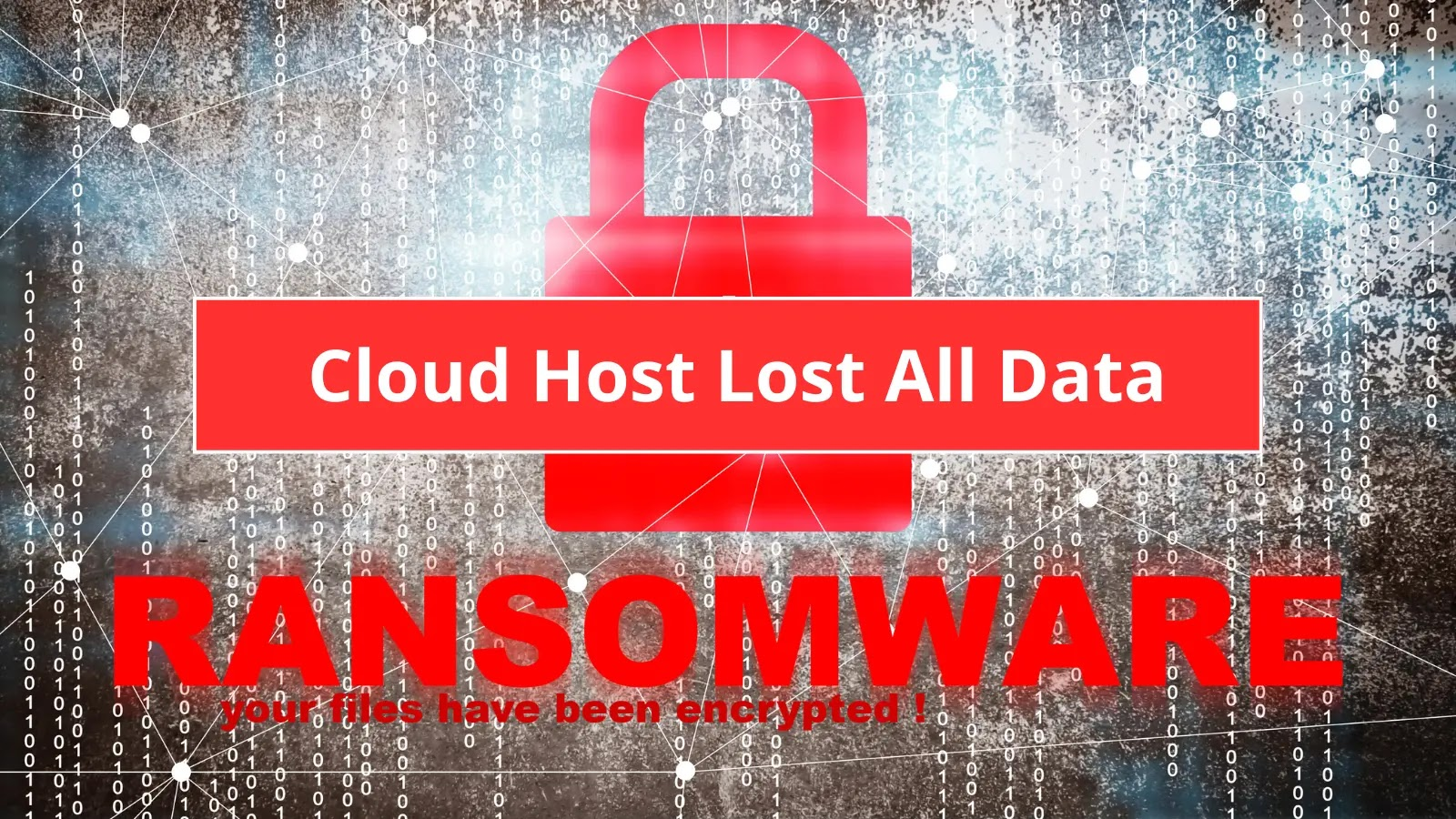
Cloud Hosting Provider Lost all Customer Data Following Ransomware Attack

Category: Information Security,Ransomwaredisc7 @ 10:01 am

Cloud Hosting Provider Lost all Customer Data Following Ransomware Attack

There has been a cyber attack on two cloud hosting providers, namely CloudNordic and Azero Cloud, which Certiqa Holding owns. The cyberattack has resulted in complete data loss for all their customers.

The cloud attack was reportedly on Friday, April 18, 2023, at around 4 AM when CloudNordic and Azero cloud were exposed to a ransomware attack in which the threat actors shut down all the systems, including customer systems, e-mail systems, customers’ websites, and everything they gained access to.

Both companies mentioned that they could not and didn’t want to pay the ransom demanded by the threat actors. However, the IT teams of CloudNordic and Azero Cloud are working with external experts to get complete information about the attack and possible recreation.

Unfortunately, the companies could not recover or recreate any customer data, and they have lost every piece of data on their customers, mail servers, web servers, etc.

Current Status

CloudNordic and Azero Cloud are highly affected by this cyber attack, and they have lost largely critical customer data but have re-established communications.

This means they have now deployed blank systems, including name servers, web servers, and mail servers. However, none of them contain any previous data.

The company has sorted out a way to restore the DNS administration interface that can enable users to get email and the web working again.

Attack Explanation

As per the report submitted to Cyber Security News, both companies attempted to migrate between data centers and had some infected systems before the migration, which the company did not know. 

Nevertheless, some servers used to manage all the servers were still wired to the previous network. Threat actors gained access to the administration systems with this network misconfiguration, which paved their way toward the backup systems (both primary and secondary backup).

The attackers encrypted all the systems they had access to, including all the virtual machines. Large amounts of data were reported to have been encrypted by the ransomware, but there seems to be no evidence of data being copied.

Both companies claimed there seemed to be no evidence of a data breach and regretted the inconvenience caused to their customers.

With the rise in cyberattacks and cybercriminals, every organization must implement multiple security measures and monitor every piece of traffic to prevent these kinds of cyberattacks.

Ransomware – Understand Prevent Recover

InfoSec tools | InfoSec services | InfoSec books | Follow our blog | DISC llc is listed on The vCISO Directory
Tags: ransomware


Aug 24 2023

Google AI in Workspace Adds New Zero-Trust and Digital Sovereignty Controls

Category: AI,Zero trustdisc7 @ 1:48 pm

Google announced security enhancements to Google Workspace focused on enhancing threat defense controls with Google AI.

Image: Urupong/Adobe Stock

At a Google Cloud press event on Tuesday, the company announced Google Cloud’s rollout over the course of this year of new AI-powered data security tools bringing zero-trust features to  Workspace, Drive, Gmail and data sovereignty. The enhancements to Google Drive, Gmail, the company’s security tools for IT and security center teams and more are designed to help global companies keep their data under lock and encrypted key and security operators outrun advancing threats.

Jump to:

The Executive Guide to Zero Trust: Drivers, Objectives, and Strategic Considerations

InfoSec tools | InfoSec services | InfoSec books | Follow our blog | DISC llc is listed on The vCISO Directory

Tags: Digital Sovereignty Controls


Aug 24 2023

HACKING TP-LINK SMART BULBS TO CONTROL SMART HOME AND YOUR LIFE

Category: Cyber Attack,Hackingdisc7 @ 10:19 am

The Internet of Things (IoT) is currently at its peak, with a rapid expansion of capabilities. This involves converting everyday items like light bulbs and plugs into smart devices controlled via smartphones. The number of IoT devices exceeded 13.8 billion in 2021, expected to quadruple by 2025, but this growth also introduces security risks exploited by cybercriminals. Researchers have discovered that even smart light bulbs, like the Tp-Link Tapo Smart Wi-Fi Multicolor Light Bulb, can be hacked to gather Wi-Fi credentials. They employed PETIoT, an IoT-focused Kill Chain, to assess vulnerabilities in these bulbs. This situation highlights challenges for cybersecurity experts dealing with the growing threats in the IoT landscape.

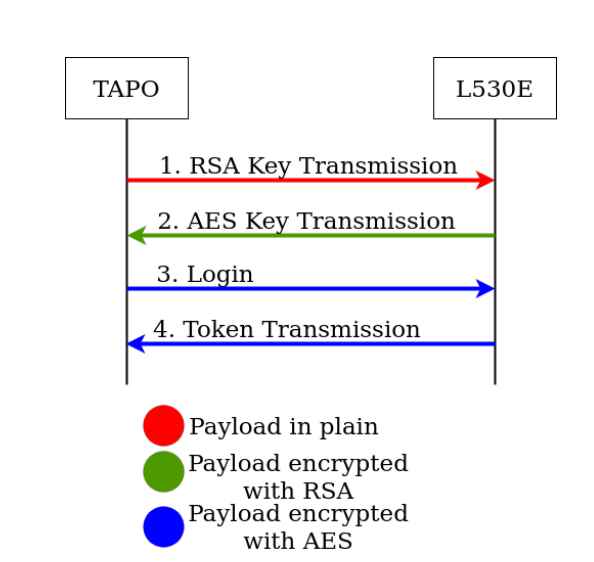
Because it is a cloud-enabled multicolor smart bulb, the Tapo L530E may be operated using the Tapo app on an Android or iOS device without the need for a hub. Instead, it connects directly to the home Wi-Fi network. According to the findings of the researchers, this particular kind of smart bulb is susceptible to each of the following four vulnerabilities:

LACK OF AUTHENTICATION OF THE SMART BULB WITH THE TAPO APP (8.8 CVSS SCORE, HIGH SEVERITY)

HARD-CODED, SHORT SHARED SECRET (7.6 CVSS SCORE, HIGH SEVERITY)

LACK OF RANDOMNESS DURING SYMMETRIC ENCRYPTION (4.6 CVSS SCORE, MEDIUM SEVERITY)

INSUFFICIENT MESSAGE FRESHNESS (5.7 CVSS SCORE, MEDIUM SEVERITY)

The examination and testing carried out by the security experts indicate the proximity-based attacks that were carried out on the smart bulb that was the target.The attack scenario that causes the greatest concern is one in which an attacker impersonates a bulb and retrieves information about a Tapo user account by exploiting vulnerabilities.

After that, the attacker may extract the victim’s WiFi SSID and password by using the Tapo app, allowing them to obtain access to any and all other devices that are connected to the victim’s network.

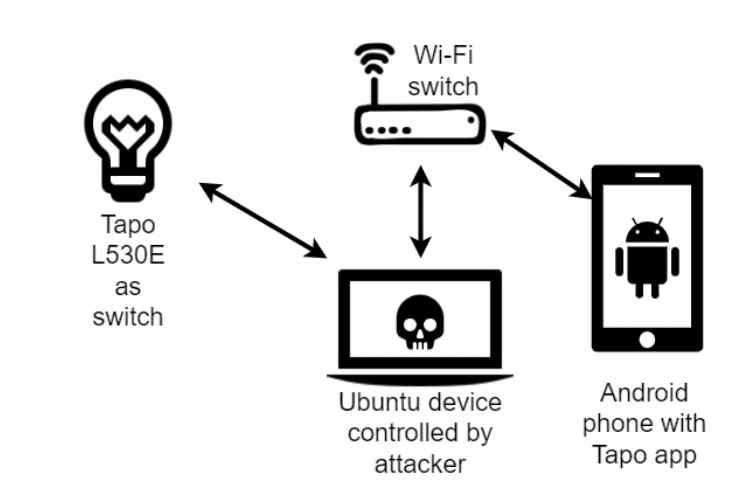
In order for the attack to be successful, the device in question must first be put into setup mode. However, the attacker has the ability to deauthenticate the bulb, which will need the user to re-configure it in order to get the light to work again.The researchers also investigated an MITM (Man-In-The-Middle) attack using a configured Tapo L530E device. This form of attack takes advantage of a vulnerability to intercept and control the connection between the app and the bulb, as well as to capture the RSA encryption keys that are used for further data transmission.

MITM attacks are also possible with unconfigured Tapo devices by leveraging a vulnerability once again by connecting to the WiFi during the setup process, bridging two networks, and routing discovery messages. This will eventually allow the attacker to retrieve Tapo passwords, SSIDs, and WiFi passwords in an easily decipherable base64 encoded form. Last but not least, a further flaw enables attackers to conduct what are known as “replay attacks.” These attacks involve recreating communications that have been sniffed in the past in order to bring about functional changes in the device.

In response, TP-Link gave the researchers their assurance that the issues that were found in their software as well as the firmware of the bulb will be fixed.

InfoSec tools | InfoSec services | InfoSec books | Follow our blog | DISC llc is listed on The vCISO Directory

Tags: Smart home, TP-Link Smart Bulb


Aug 24 2023

8 open-source OSINT tools you should try

Category: Information Security,OSINTdisc7 @ 9:24 am

Amass

The OWASP Amass project performs network mapping of attack surfaces and external asset discovery using open-source information gathering and active reconnaissance techniques.

Osmedeus

Osmedeus is a workflow engine for offensive security that allows you to build and run a reconnaissance system on a wide range of targets, including domains, URLs, CIDRs, and GitHub repositories. It was designed to establish a strong foundation and can adapt and function automatically to perform reconnaissance tasks.

PhoneInfoga

PhoneInfoga is an advanced tool to scan international phone numbers. It allows you to gather basic information such as country, area, carrier, and line type, then use various techniques to find the VoIP provider or identify the owner. It works with a collection of scanners that must be configured for the tool to be effective.

Sherlock

Sherlock allows you to search social media accounts by username across social networks.

Shodan

Shodan is a search engine for Internet-connected devices. Discover how internet intelligence can help you make better decisions. The entire Shodan platform (crawling, IP lookups, searching, and data streaming) is available to developers. Use their API to understand whether users connect from a VPN, whether the website you’re visiting has been compromised, and more.

Social Analyzer

Social Analyzer is an API, CLI, and web app for analyzing and finding a person’s profile across social media and websites. It includes different analysis and detection modules; you can choose which modules to use during the investigation process. The analysis and public extracted information from this OSINT tool could help investigate profiles related to suspicious or malicious activities such as cyberbullying, cyber grooming, cyberstalking, and spreading misinformation.

SpiderFoot

SpiderFoot is an OSINT automation tool. It integrates with just about every data source available and utilizes a range of methods for data analysis, making that data easy to navigate. SpiderFoot has an embedded web-server for providing a clean and intuitive web-based interface but can also be used completely via the command-line.

theHarvester

theHarvester is a simple to use, yet powerful tool designed to be used during the reconnaissance stage of a red team assessment or penetration test. It performs OSINT gathering to help determine a domain’s external threat landscape. The tool gathers names, emails, IPs, subdomains, and URLs by using multiple public resources.

OSINT Tools: A Practical Guide to Collection, Analysis, and Visualization

InfoSec tools | InfoSec services | InfoSec books | Follow our blog | DISC llc is listed on The vCISO Directory
Tags: OSINT Tools


Aug 22 2023

Major Mississippi hospital system takes services offline after cyberattack

Category: Cyber Attack,hipaa,Information Securitydisc7 @ 11:33 am
IMAGE: SJ OBIJO VIA UNSPLASH

One of Mississippi’s largest hospital systems, Singing River Health System, suffered a cyberattack last week, leading to the shutdown of various internal services. The hospital system, which operates multiple hospitals and clinics along the Gulf Coast, detected unusual activity on its network and is cooperating with law enforcement. As a result of the attack, certain internal systems were taken offline to ensure their integrity during the investigation. The hospital’s IT security team is working to restore the offline systems, but the process is expected to take time. The hospital has not confirmed whether the attack involved ransomware or if a ransom will be paid. Patient services, including lab test results and radiology exams, are facing delays due to the attack. The incident highlights the ongoing challenges that hospitals face from cyberattacks, as this year has seen several healthcare institutions targeted by such attacks.

https://therecord.media/mississippi-hospital-system-takes-services-offline-after-cyberattack

Cybersecurity for eHealth: A Simplified Guide to Practical Cybersecurity for Non-Technical Healthcare Stakeholders & Practitioners

InfoSec tools | InfoSec services | InfoSec books | Follow our blog | DISC llc is listed on The vCISO Directory
Tags: Cybersecurity for eHealth, Mississippi hospital system


Aug 03 2023

OWASP Top 10 for LLM (Large Language Model) applications is out!

Category: owaspdisc7 @ 12:45 pm

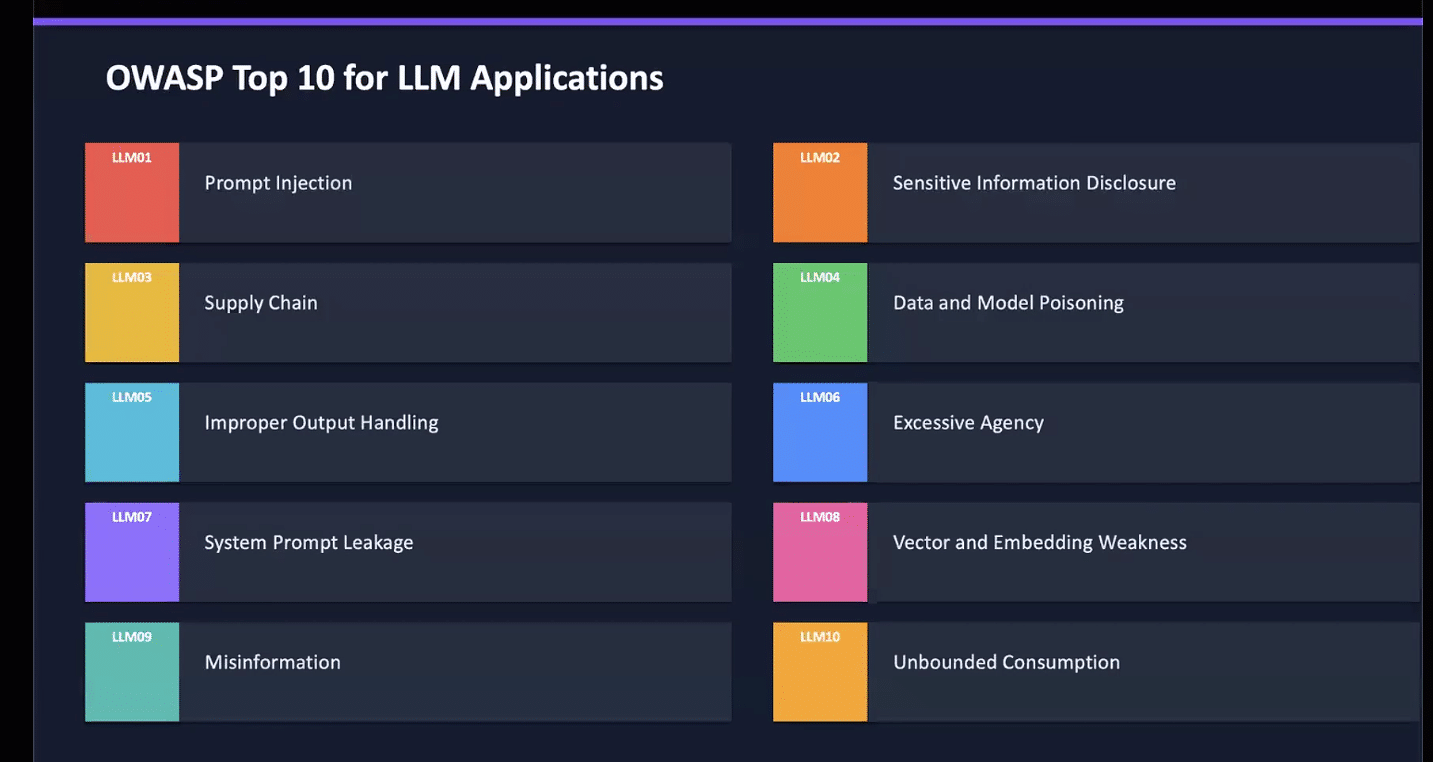
The OWASP Top 10 for LLM (Large Language Model) Applications version 1.0 is out, it focuses on the potential security risks when using LLMs.

OWASP released the OWASP Top 10 for LLM (Large Language Model) Applications project, which provides a list of the top 10 most critical vulnerabilities impacting LLM applications.

The project aims to educate developers, designers, architects, managers, and organizations about the security issues when deploying Large Language Models (LLMs).

The organization is committed to raising awareness of the vulnerabilities and providing recommendations for hardening LLM applications.

“The OWASP Top 10 for LLM Applications Working Group is dedicated to developing a Top 10 list of vulnerabilities specifically applicable to applications leveraging Large Language Models (LLMs).” reads the announcement of the Working Group. “This initiative aligns with the broader goals of the OWASP Foundation to foster a more secure cyberspace and is in line with the overarching intention behind all OWASP Top 10 lists.”

The organization states that the primary audience for its Top 10 is developers and security experts who design and implement LLM applications. However the project could be interest to other stakeholders in the LLM ecosystem, including scholars, legal professionals, compliance officers, and end users.

“The goal of this Working Group is to provide a foundation for developers to create applications that include LLMs, ensuring these can be used securely and safely by a wide range of entities, from individuals and companies to governments and other organizations.” continues the announcement.

The Top Ten is the result of the work of nearly 500 security specialists, AI researchers, developers, industry leaders, and academics. Over 130 of these experts actively contributed to this guide.

Clearly the project is a work in progress, LLM technology continues to evolve, and the research on security risk will need to keep pace.

Below is the Owasp Top 10 for LLM version 1.0

LLM01: Prompt Injection

This manipulates a large language model (LLM) through crafty inputs, causing unintended actions by the LLM. Direct injections overwrite system prompts, while indirect ones manipulate inputs from external sources.

LLM02: Insecure Output Handling

This vulnerability occurs when an LLM output is accepted without scrutiny, exposing backend systems. Misuse may lead to severe consequences like XSS, CSRF, SSRF, privilege escalation, or remote code execution.

LLM03: Training Data Poisoning

This occurs when LLM training data is tampered, introducing vulnerabilities or biases that compromise security, effectiveness, or ethical behavior. Sources include Common Crawl, WebText, OpenWebText, & books.

LLM04: Model Denial of Service

Attackers cause resource-heavy operations on LLMs, leading to service degradation or high costs. The vulnerability is magnified due to the resource-intensive nature of LLMs and unpredictability of user inputs.

LLM05: Supply Chain Vulnerabilities

LLM application lifecycle can be compromised by vulnerable components or services, leading to security attacks. Using third-party datasets, pre-trained models, and plugins can add vulnerabilities.

LLM06: Sensitive Information Disclosure

LLM’s may inadvertently reveal confidential data in its responses, leading to unauthorized data access, privacy violations, and security breaches. It’s crucial to implement data sanitization and strict user policies to mitigate this.

LLM07: Insecure Plugin Design

LLM plugins can have insecure inputs and insufficient access control. This lack of application control makes them easier to exploit and can result in consequences like remote code execution.

LLM08: Excessive Agency

LLM-based systems may undertake actions leading to unintended consequences. The issue arises from excessive functionality, permissions, or autonomy granted to the LLM-based systems.

LLM09: Overreliance

Systems or people overly depending on LLMs without oversight may face misinformation, miscommunication, legal issues, and security vulnerabilities due to incorrect or inappropriate content generated by LLMs.

LLM10: Model Theft

This involves unauthorized access, copying, or exfiltration of proprietary LLM models. The impact includes economic losses, compromised competitive advantage, and potential access to sensitive information.

The organization invites experts to join it and provide support to the project.

You can currently download version 1.0 in two formats.  The full PDF and the abridged slide format.

Web Application Security: Exploitation and Countermeasures for Modern Web Applications

InfoSec services | InfoSec books | Follow our blog | DISC llc is listed on The vCISO Directory | ISO 27k Chat bot | Comprehensive vCISO Services | ISMS Services | AIMS Services | Security Risk Assessment Services | Mergers and Acquisition Security

At DISC InfoSec, we help organizations navigate this landscape by aligning AI risk management, governance, security, and compliance into a single, practical roadmap. Whether you are experimenting with AI or deploying it at scale, we help you choose and operationalize the right frameworks to reduce risk and build trust. Learn more at DISC InfoSec.

InfoSec tools | InfoSec services | InfoSec books


Jul 30 2023

How can we solve cybersecurity talent issue?

Category: Cyber career,Security trainingdisc7 @ 11:18 am

The cybersecurity talent issue is a significant challenge faced by organizations worldwide. Solving this problem requires a combination of short-term and long-term strategies to attract, develop, and retain skilled cybersecurity professionals. Here are some steps that can help address the cybersecurity talent shortage:

  1. Education and Training: Invest in cybersecurity education and training programs at various levels, from primary education to advanced professional certifications. Collaborate with educational institutions and industry experts to design comprehensive and up-to-date curricula.
  2. Promote Cybersecurity as a Career Choice: Raise awareness about the importance of cybersecurity as a career option. Target students and professionals from diverse backgrounds to encourage them to pursue cybersecurity careers.
  3. Apprenticeships and Internships: Establish apprenticeship and internship programs to provide hands-on experience to aspiring cybersecurity professionals. This can help bridge the gap between theoretical knowledge and practical skills.
  4. Industry Collaboration: Foster collaboration between academic institutions and the private sector. Industry partnerships can help ensure that cybersecurity programs align with current industry needs and practices.
  5. Cyber Range and Simulations: Set up cyber ranges and simulations to provide a safe environment for individuals to practice and enhance their cybersecurity skills. These platforms allow trainees to learn through realistic scenarios without risking real-world systems.
  6. Mentorship Programs: Create mentorship programs where experienced cybersecurity professionals can guide and support newcomers in their career development. This can be especially helpful in retaining talent and promoting professional growth.
  7. Competitive Compensation and Benefits: Offer competitive salaries and benefits to attract skilled cybersecurity professionals. Recognize their value and contribution to the organization’s security posture.
  8. Continuous Professional Development: Encourage and facilitate continuous learning and professional development for existing cybersecurity teams. This can be achieved through regular training, attending conferences, and participating in workshops.
  9. Diversity and Inclusion: Promote diversity and inclusion within the cybersecurity workforce. A diverse team brings varied perspectives and problem-solving approaches, ultimately enhancing the overall security posture.
  10. Public-Private Partnerships: Encourage partnerships between government agencies, private companies, and non-profit organizations to address the talent shortage collectively. Collaboration can lead to resource-sharing and more comprehensive solutions.
  11. Automation and AI Solutions: Implement cybersecurity automation and AI technologies to augment the existing workforce. Automation can handle repetitive tasks, allowing professionals to focus on more complex issues.
  12. Retaining Talent: Focus on employee retention by providing a supportive and rewarding work environment. Recognize and celebrate cybersecurity achievements and milestones within the organization.
  13. Ethical Hacking Competitions and CTFs: Support and sponsor ethical hacking competitions and Capture The Flag (CTF) events. These challenges attract cybersecurity enthusiasts and offer valuable learning experiences.

By combining these strategies and adopting a long-term perspective, organizations can start making progress in solving the cybersecurity talent issue. Remember that cybersecurity is an ever-evolving field, and continuous efforts are needed to attract and retain skilled professionals.

Blended training course will give you what you need to develop your career and pass the challenging CISSP (Certified Information Systems Security Professional) exam first time.

Cybersecurity and information resilience – BSI Group

Computer Security

How Does Social Media Affect Teenagers, and Is It Positive?

InfoSec books | InfoSec tools | InfoSec services

InfoSec services | InfoSec books | Follow our blog | DISC llc is listed on The vCISO Directory | ISO 27k Chat bot | Comprehensive vCISO Services | ISMS Services | AIMS Services | Security Risk Assessment Services | Mergers and Acquisition Security

At DISC InfoSec, we help organizations navigate this landscape by aligning AI risk management, governance, security, and compliance into a single, practical roadmap. Whether you are experimenting with AI or deploying it at scale, we help you choose and operationalize the right frameworks to reduce risk and build trust. Learn more at DISC InfoSec.

Tags: CISSP, Computer security, Information resilience


Jul 07 2023

Chief Information Security Officer Handbook

Category: CISO,vCISOdisc7 @ 11:03 am

CISSP training course

InfoSec tools | InfoSec services | InfoSec books

Tags: Chief Information Security Officer, CISO


Jun 08 2023

9 free cybersecurity whitepapers you should read

Category: cyber securitydisc7 @ 1:00 am

In today’s rapidly evolving digital landscape, organizations face constant cyber threats that can compromise their sensitive data, disrupt operations, and damage their reputation. Staying informed about the latest cyberattacks and understanding effective protection methods is crucial.

This list of free cybersecurity whitepapers that don’t require registration covers a wide range of common cyber risks (ransomware, DDoS attacks, social network account hijacking). It explores the possible risks that could originate from new technologies such as generative AI (GenAI) and large language models (LLMs).

MS-ISAC guide to DDoS attacks

The Multi-State Information Sharing and Analysis Center (MS-ISAC) has created a guide to shed light on denial of service (DoS) and distributed denial of service (DDoS) attacks. A DoS attack aims to overwhelm a system and hinder its intended users’ access, while a DDoS attack involves multiple sources working together towards the same goal.

These attacks deplete network, application, or system resources, leading to issues such as network slowdowns, application crashes, and server failures. The MS-ISAC guide examines various techniques employed by cyber threat actors (CTAs) to execute successful DDoS attacks. The guide also provides recommendations for defending against these types of attacks.

The Ultimate Guide to Everything You Need to Know about DDoS Attacks

Ransomware missteps that can cost you

Ransomware has become one of the most concerning types of attacks. To be able to effectively tackle these attacks, IT professionals and managed services providers need to be prepared to respond quickly and appropriately.

The first step towards readiness lies in acquiring a comprehensive understanding of the primary issues and possible pitfalls that can significantly impact the outcome.

This whitepaper from N-able gives insights on one of the most common and disastrous type of attack and what are the frequent mistakes organizations do when trying to limit the damaging effects.

Ransomware Protection Playbook

The five ICS cybersecurity critical controls

To establish a robust and successful security program for industrial control systems (ICS) or operational technology (OT), a combination of five cybersecurity controls can be employed.

This SANS whitepaper points out these controls, empowering organizations to customize and implement them according to their specific environment and risk factors.

Rather than being overly prescriptive, these controls prioritize outcomes, ensuring flexibility and adaptability. Moreover, they are informed by intelligence-driven insights derived from the analysis of recent breaches and cyberattacks in industrial companies worldwide.

NIST Framework for Improving Critical Infrastructure Cybersecurity: Whitepaper

How to identify the cybersecurity skills needed in the technical teams in your organization

To keep an organization safe from information security threats, it is essential to understand cybersecurity skills gaps within your IT and InfoSec teams. To enhance your company’s protection, it is crucial to pinpoint these deficiencies and give importance to skills according to specific job roles.

This whitepaper from Offensive Security concentrates on optimal methods for nurturing internal cybersecurity talent within your technical teams, such as IT, information security, DevOps, or engineering.

Building a Career in Cybersecurity: The Strategy and Skills You Need to Succeed 

Generative AI and ChatGPT enterprise risks

The increasing use of GenAI and LLMs in enterprises has prompted CISOs to assess the associated risks. While GenAI offers numerous benefits in improving various daily tasks, it also introduces security risks that organizations need to address.

This whitepaper from Team8 aims to provide information on these risks and recommended best practices for security teams and CISOs, as well as encourage community involvement and awareness on the subject.

The ChatGpt Revolution – Unlock the Potential of AI: Opportunities, Risks and Ways to Build an Automated Business in the Age of New Digital Media

Redefining browser isolation security

Traditional methods of data security and threat protection are inadequate in the face of evolving applications, users, and devices that extend beyond the corporate perimeter.

Legacy security approaches struggle to adapt to the hybrid work model, leading to visibility issues, conflicting configurations, and increased risks. To address these challenges, organizations need to update their risk mitigation strategies.

Remote browser isolation (RBI) technology offers a promising solution by separating internet browsing from local browsers and devices. However, traditional RBI approaches have limitations such as high costs, performance issues, and security vulnerabilities caused by deployment gaps.

This Cloudflare whitepaper examines the causes and consequences of these challenges, and shows how to approach browser isolation to tackle these common issues.

Browser Isolation Standard Requirements

S1 deload stealer: Exploring the economics of social network account hijacking

Social networks have become an essential part of our lives, but they have also been exploited by criminals. Threat actors have been using legitimate social media accounts to engage in illegal activities, such as extortion and manipulating public opinion for influencing elections.

Financially motivated groups have also employed malvertising and spam campaigns, as well as operated automated content-sharing platforms, to increase revenue or sell compromised accounts to other malicious individuals.

This whitepaper from Bitdefender highlights an ongoing malware distribution campaign that takes advantage of social media by hijacking users’ Facebook and YouTube accounts.

Building a budget for an insider threat program

To gain support from top-level executives when planning to implement a purpose-built insider threat solution, the value of the solution needs to be linked not just to reducing risks but also to providing additional business benefits.

The business case should show how an insider threat program can result in immediate cost savings, allow security resources to be allocated to other important projects in the future, and ultimately promote collaboration, productivity, and innovation.

This Code42 whitepaper provides a strategy for security teams to create a convincing business case.

The case for threat intelligence to defend against advanced persistent threats

Organizations are encountering an increasingly serious challenge posed by advanced persistent threats (APTs). Those responsible for managing business risk recognize that it is impossible to completely prevent such threats. Instead, the focus is on implementing defensive measures and utilizing threat intelligence to improve the chances of detecting attacks and reducing risk to an acceptable level.

Rather than fixating on the inevitability of being hacked, the emphasis is placed on minimizing the occurrence of attacks and efficiently identifying and responding to them, to mitigate their impact on the business.

This Cyberstash whitepaper examines the effectiveness and cost associated with threat intelligence in enhancing the security industry’s defensive capabilities against APTs.

InfoSec tools | InfoSec services | InfoSec books

Tags: cybersecurity whitepapers


Apr 17 2023

Lynis – Open Source Security Auditing & Pentesting Tool – 2023

Category: Pen Test,Security ToolsDISC @ 8:50 am

Lynis is an open source security auditing tool. Its main goal is to audit and harden Unix and Linux based systems. It scans the system by performing many security control checks. Examples include searching for installed software and determine possible configuration flaws.

Many tests are part of common security guidelines and standards, with on top additional security tests. After the scan, a report will be displayed with all discovered findings. To provide you with initial guidance, a link is shared with the related Lynis control.

Lynis is one of the most trusted automated auditing tool for software patch management, malware scanning and vulnerability detecting in Unix/Linux based systems. This tool is useful for auditorsnetwork and system administratorssecurity specialists and penetration testers.

Intended audience:

Lynis assists auditors in performing Basel II, GLBA, HIPAA, PCI DSS and SOX (Sarbanes-Oxley) compliance audits.

Security specialists, Penetration Testers, System auditors, System/network managers, Security Engineers.

Lynis is compatible with many Operating Systems, such as:

  • AIX
  • Arch Linux
  • BackTrack Linux
  • CentOS
  • Debian, DragonFlyBSD
  • Fedora Core, FreeBSD
  • Gentoo
  • HPUX
  • Kali, Knoppix
  • Linux Mint
  • MacOS X, Mageia, Mandriva
  • NetBSD
  • OpenBSD, OpenSolaris, openSUSE, Oracle Linux
  • PcBSD, PCLinuxOS
  • Red Hat Enterprise Linux (RHEL) and derivatives
  • Sabayon, Scientific Linux, Slackware, Solaris 10, SuSE
  • TrueOS
  • Ubuntu and derivatives

Lynis can also be auditing software such as :

  • Database servers: MySQL, Oracle, PostgreSQL
  • Time daemons: dntpd, ntpd, timed
  • Web servers: Apache, Nginx

Once lynis starts scanning your system, it will perform auditing in a number of categories:

  • System tools: system binaries
  • Boot and services: boot loaders, startup services
  • Kernel: run level, loaded modules, kernel configuration, core dumps
  • Memory and processes: zombie processes, IO waiting processes
  • Users, groups and authentication: group IDs, sudoers, PAM configuration, password aging, default mask
  • Shells
  • File systems: mount points, /tmp files, root file system
  • Storage: usb-storage, firewire ohci
  • NFS
  • Software: name services: DNS search domain, BIND
  • Ports and packages: vulnerable/upgradable packages, security repository
  • Networking: nameservers, promiscuous interfaces, connections
  • Printers and spools: cups configuration
  • Software: e-mail and messaging
  • Software: firewalls: iptables, pf
  • Software: webserver: Apache, nginx
  • SSH support: SSH configuration
  • SNMP support
  • Databases: MySQL root password
  • LDAP services
  • Software: php: php options
  • Squid support
  • Logging and files: Syslog daemon, log directories
  • Insecure services: inetd
  • Banners and identification
  • Scheduled tasks: crontab/cronjob, atd
  • Accounting: sysstat data, auditd
  • Time and synchronization: ntp daemon
  • Cryptography: SSL certificate expiration
  • Virtualization
  • Security frameworks: AppArmor, SELinux, security status
  • Software: file integrity
  • Software: malware scanners
  • Home directories: shell history files

How Lynis works:

In this Kali Linux Tutorial , To run it for the first time, it is recommended to use -c paramater. -c parameter means doing all tests to check the systems. If you want to put the Auditor name, just add –auditor parameter there. Here’s some

Download and Install the Lynis from GitHub 

git clone https://github.com/CISOfy/lynis

$ cd lynis-2.7.3
# ./lynis

samples output :

Once Installed then Start with Auditor or Pentester name .

# lynis -c –auditor “BALAJI”

Figure 1. Initialize

Lynis – Open source security auditing tool

Figure 2. System Tools

Lynis – Open source security auditing tool

Figure 3. Boot & Services and Kernel

Lynis – Open source security auditing tool

Figure 4. Users and Group

Lynis – Open source security auditing tool

Figure 5. Shell and storage

Lynis – Open source security auditing tool

Figure 6. Software, Ports and Packages

6

Figure 7. Networking and Printer

7

Figure 8. Email, Firewalls and Web Server

8

Figure 9. SSH, SNMP and Databases

Lynis – Open source security auditing tool

Figure 10. PHP, Squid Proxy and Logging

10

Figure 11. Inetd, Banner and Cron

11

Figure 12. Accounting, NTP and Cryptography

12

Figure 13. Virtualization, Security Frameworks and File Integrity

13

Figure 14. Malware Scanners, System Tool and Home directory

14

Figure 15. Kernel Hardening

15

Figure 16. Hardening, Custom Tests and Result

lynis_16_hardening_customtests_result

Figure 17. Hardening Index

17

Run Lynis with Custom Tests

Your system may not need to run all the tests. If your server not running a web server, you don’t need to test it. For this purpose, we can use –tests parameter. The syntax is :

# lynis –tests “Test-IDs”

there are more than 100 tests that we can do. Here are some list of Lynis Tests-ID.

  • FILE-7502 (Check all system binaries)
  • BOOT-5121 (Check for GRUB boot loader presence).
  • BOOT-5139 (Check for LILO boot loader presence)
  • BOOT-5142 (Check SPARC Improved boot loader (SILO))
  • BOOT-5155 (Check for YABOOT boot loader configuration file)
  • BOOT-5159 (Check for OpenBSD i386 boot loader presence)
  • BOOT-5165 (Check for FreeBSD boot services)
  • BOOT-5177 (Check for Linux boot and running services)
  • BOOT-5180 (Check for Linux boot services (Debian style))
  • BOOT-5184 (Check permissions for boot files/scripts)
  • BOOT-5202 (Check uptime of system)
  • KRNL-5677 (Check CPU options and support)
  • KRNL-5695 (Determine Linux kernel version and release number)
  • KRNL-5723 (Determining if Linux kernel is monolithic)
  • KRNL-5726 (Checking Linux loaded kernel modules)
  • KRNL-5728 (Checking Linux kernel config)
  • KRNL-5745 (Checking FreeBSD loaded kernel modules)
  • [04:57:04] Reason to skip: Test not in list of tests to perform
  • KRNL-5770 (Checking active kernel modules)
  • KRNL-5788 (Checking availability new kernel)
  • KRNL-5820 (Checking core dumps configuration)

Below is a sample command to run Check uptime of system and Checking core dumps configuration tests. If you want to add more tests, just add more Test-ID separated by space.

# ./lynis –tests “BOOT-5202 KRNL-5820”

111111

To get more Tests-IDs, you can find it inside /var/log/lynis.log. Here’s a trick how to do it.

1. First, we need to run lynis with -c (check-all) parameter.

# ./lynis -c -Q

2. Then look at inside /var/log/lynis.log file. Use cat command and combine it with grep. Let say you want to search Test-ID which related to Kernel. Use keyword KRNL to find it.

# cat /var/log/lynis.log | grep KRNL

2222

Below is a complete keywords of Test-IDs that available in Lynis.

BOOT
KRNL (kernel)
PROC (processor)
AUTH (authentication)
SHLL (shell)
FILE
STRG (storage)
NAME (dns)
PKGS (packaging)
NETW (network)
PRNT (printer)
MAIL
FIRE (firewall)
HTTP (webserver)
SSH
SNMP
DBS (database)
PHP
LDAP
SQD (squid proxy)
LOGG (logging)
INSE (insecure services – inetd)
SCHD (scheduling – cron job)
ACCT (accounting)
TIME (time protocol – NTP)
CRYP (cryptography)
VIRT (virtualization)
MACF (AppArmor – SELINUX)
MALW (malware)
HOME
HRDN (hardening)

Run lynis with categories

If you feel that put a lot of Test-IDs is painful, you can use –test-category parameter. With this option, Lynis will run Test-IDs which are included inside a specific category. For example, you want to run Firewall and Kernel tests. Then you can do this :

# ./lynis –tests-category “firewalls kernel”

3333

Run Lynis as Cronjob

Since security needs consistency, you can automate Lynis to run periodically. Let’s say you want to run it every month to see if there is any improvement since the last Lynis run. To do this, we can run Lynis as a cronjob. Here’s a sample cronjob to run it every month.

#!/bin/sh

AUDITOR=”automated”
DATE=$(date +%Y%m%d)
HOST=$(hostname)
LOG_DIR=”/var/log/lynis”
REPORT=”$LOG_DIR/report-${HOST}.${DATE}”
DATA=”$LOG_DIR/report-data-${HOST}.${DATE}.txt”

cd /usr/local/lynis
./lynis -c –auditor “${AUDITOR}” –cronjob > ${REPORT}

mv /var/log/lynis-report.dat ${DATA}

# End

Save the script into /etc/cron.monthly/lynis. Don’t forget to add related paths (/usr/local/lynis and /var/log/lynis), otherwise the script will not work properly.


InfoSec Threats
 | InfoSec books | InfoSec tools | InfoSec services

Tags: Lynis, Open source security


Mar 14 2023

Cyber Security Training Courses

Category: Security trainingDISC @ 7:55 am
Cyber Security Course Online – Fees, Syllabus, Eligibility

70+ Cyber Security Training Courses

“Security should be built in, not bolt-on.”

Cyber Security CoursesLinks
Finding your cybersecurity-career pathedx.sjv.io/BXm2G4  
MYCS computer science for beginnersedx.sjv.io/e4yQ5r  
IBM cybersecurity fundamentalsedx.sjv.io/gbMAjv
Ethical hacking essentials eheedx.sjv.io/e4yAJZ  
Online master science cybersecurity Georgia techedx.sjv.io/NK1QOP  
Usmx umgc cloud computingedx.sjv.io/LPAxb3
w3cx front end web developeredx.sjv.io/2rbQPM
Snhux data management with python and sqledx.sjv.io/qn5ERq
Python data scienceedx.sjv.io/AoqqJN
Introduction to python programmingedx.sjv.io/mgDDPy  
Online master of science computer science utaustinxedx.sjv.io/rnkzvj
Master of information and cybersecurityedx.sjv.io/5bXXzj  
Linux foundation x introduction to devops practices and toolsedx.sjv.io/LPAZZY
Uwashingtonx essentials cybersecurityedx.sjv.io/jWxOO0
Hecmontrealx ux design and evaluationedx.sjv.io/ORVmbn
Cybersecurity the cisos viewedx.sjv.io/MXGNbo
Ec council cybersecurity essentialsedx.sjv.io/9W4JE3
building-a-cybersecurity-toolkitedx.sjv.io/6b3gdG
Programming basicsedx.sjv.io/DV9ked  
Computer science 101edx.sjv.io/DV9ke2
Umd usmx agile project managementedx.sjv.io/Vyz6BO
Computer forensicedx.sjv.io/ORVm4W
Delftx inclusive and sustainable citiesedx.sjv.io/5b27Y2
Cybersecurity and privacy in the IoTedx.sjv.io/6b3gVN
Cybersecurity risk managementedx.sjv.io/YgEy2O  
Linuxfoundationx secure software development fundamentalsedx.sjv.io/QOZ60Y
Harvardx leadership and communicationedx.sjv.io/WDWGg3
AWS getting started with cloud securityedx.sjv.io/3P6dYv  
AWS cloud technical essentialsedx.sjv.io/kj7ZGn  
Building modern python applications on awsedx.sjv.io/DVjnzj  
Getting started with data analytics on awsedx.sjv.io/rnAOxQ  
Cyberwar surveillance and securityedx.sjv.io/7mRJd3  
Online master data science utausedx.sjv.io/jWxO5n  
Harvardx data scienceedx.sjv.io/KeooMv  
Uc san diego x data scienceedx.sjv.io/b3WWYg
Introduction to computer science and programmingedx.sjv.io/qn520O
Ritx cybersecurityedx.sjv.io/5b27qD  
Linux basics the command line interfaceedx.sjv.io/n1r2Aa  
Ibm full stack cloud application developmentedx.sjv.io/Ryg6Yy  
Basic network and database securityedx.sjv.io/qn52d5  
Scripting and programming foundationsedx.sjv.io/P0JAvz  
Application security for developersedx.sjv.io/zaZqxW  
Unlocking information security part 1edx.sjv.io/n1D1NX  
Unlocking information security part 2edx.sjv.io/kjDbBN  
Berkeleyx entrepreneurship for all the startup guide by silicon valley insidersedx.sjv.io/DV91Xd
Programming for everybody getting started with pytedx.sjv.io/e4yxkZ
Google cloud computing foundationsedx.sjv.io/15nkma  
Harvardx computer science for web programmingedx.sjv.io/MXGzQN
Mit sloan machine learning in business online programedx.sjv.io/AoxeKD
Cyber security basics a hands on approachedx.sjv.io/jWxEQ5  
Imd blockchain and the future of finance online programedx.sjv.io/zaZWD6
Introduction to linuxedx.sjv.io/yRJzPW  
Google power searching with googleedx.sjv.io/rnkVqv  
Basic network and database securityedx.sjv.io/BXqXKq  
AI chatbots without programmingedx.sjv.io/0J0jVV  
Imd cybersecurity risk and strategy online programedx.sjv.io/0JkGQO  
Network security protocolsedx.sjv.io/dobXWW
Digital forensics essentials dfeedx.sjv.io/7mWA6Y  
The quantum internet and quantum computers how w2edx.sjv.io/QORREP
Wharton strategic managementedx.sjv.io/5bXXvo  
Umd usmx agile project managementedx.sjv.io/e4OOL6  
tumx-lean-six-sigma-green-belt-certificationedx.sjv.io/x900gx  
Harvardx tiny machine learningedx.sjv.io/GjAA7n  
Berkeleyx science-of happiness at workedx.sjv.io/ZdPP7K  
Uqx business leadershipedx.sjv.io/0JkkVO  

Professional Certificates, Bachelors & Masters Program

InfoSec Threats | InfoSec books | InfoSec tools | InfoSec services

Tags: Cyber Security Training Courses


« Previous PageNext Page »