InfoSec and Compliance – With 20 years of blogging experience, DISC InfoSec blog is dedicated to providing trusted insights and practical solutions for professionals and organizations navigating the evolving cybersecurity landscape. From cutting-edge threats to compliance strategies, this blog is your reliable resource for staying informed and secure. Dive into the content, connect with the community, and elevate your InfoSec expertise!
Car hacking refers to the unauthorized access and manipulation of a vehicle’s electronic systems, exploiting vulnerabilities in software, hardware, and communication networks. Modern vehicles, equipped with numerous Electronic Control Units (ECUs) interconnected via protocols like the Controller Area Network (CAN) bus, are susceptible to cyberattacks. These attacks can range from disabling brakes to remotely controlling the vehicle, as demonstrated in notable incidents like the 2015 Jeep Cherokee hack. The increasing integration of connected technologies, such as Bluetooth, Wi-Fi, and cellular networks, further expands the attack surface for potential hackers.
One prevalent method of car hacking involves exploiting keyless entry systems. Thieves use devices to intercept signals from key fobs, allowing unauthorized access and ignition of vehicles. Techniques like “relay attacks” and “headlight hacking” have been employed to bypass security measures, enabling criminals to steal cars in mere seconds. The rise in such incidents underscores the need for enhanced security protocols in vehicle design and manufacturing.
To counteract these threats, several measures can be implemented:
Regular Software Updates: Manufacturers often release updates to patch known vulnerabilities. Vehicle owners should ensure their car’s software is up-to-date, either through dealership visits or over-the-air updates.
Use of Physical Security Devices: Employing steering wheel locks or car alarms can deter potential thieves, adding an extra layer of protection against unauthorized access.
Secure Key Fob Storage: Storing key fobs in signal-blocking containers, like Faraday pouches, can prevent signal interception and relay attacks.
Intrusion Detection Systems (IDS): Implementing IDS within the vehicle’s network can monitor and detect anomalous activities, alerting owners to potential breaches.
Network Segmentation and Gateways: Dividing the vehicle’s network into sub-networks with secure gateways can limit the spread of potential attacks, ensuring critical systems remain protected.
Authentication Protocols: Incorporating robust authentication mechanisms can verify the legitimacy of commands and data within the vehicle’s systems, thwarting unauthorized access attempts.
The automotive industry must prioritize cybersecurity in the design and development of vehicles. Collaborative efforts between manufacturers, cybersecurity experts, and regulatory bodies are essential to establish standardized security protocols. As vehicles become increasingly connected and autonomous, proactive measures are vital to safeguard against evolving cyber threats.
In conclusion, while the advent of connected vehicles offers enhanced convenience and features, it also introduces significant cybersecurity challenges. By adopting a multi-faceted approach encompassing software updates, physical security measures, and advanced network protections, both manufacturers and consumers can work together to mitigate the risks associated with car hacking.
ISO 27001 is an internationally recognized standard for establishing an Information Security Management System (ISMS) that protects an organization’s information assets. The standard lays out a structured, systematic approach to information security: it explicitly defines requirements that cover people, processes, and technology, and it is built on a risk-based management process. In other words, ISO 27001 requires an organization to identify its critical data and assets, assess the risks to them, and implement controls to mitigate those risks. As the AuditBoard blog explains, ISO 27001 “provid[es] a systematic approach to managing sensitive company information, and ensuring its confidentiality, integrity, and availability,” and “employ[s] a risk-based management process”. By achieving ISO 27001 certification, a company demonstrates its commitment to security best practices and gains “improved risk management” capabilities. In practice, this means ISO 27001 embeds risk reduction into the company’s daily operations: the organization is continually considering where its vulnerabilities lie and how to address them. This alignment of policy and process with identified risks helps prevent incidents that could lead to breaches or financial losses (outcomes the blog warns are costly for non-compliant companies).
A core principle of ISO 27001 is systematic risk assessment. The standard mandates that organizations catalog information assets and regularly evaluate threats and vulnerabilities to those assets. This formal risk assessment process – often codified as a risk register – forces management to confront what could go wrong, estimate the likelihood and impact of each threat, and then select controls to lower that risk. The AuditBoard article highlights that effective compliance “starts with a deep understanding of your organization’s unique risk profile” through “comprehensive risk assessments that identify, analyze, and prioritize potential security threats and vulnerabilities”. By building this into the ISMS, ISO 27001 ensures that controls are not applied haphazardly but are directly tied to the organization’s actual threat landscape. In short, ISO 27001’s risk-based approach means the organization is proactively scanning for problems, rather than only reacting after a breach occurs. This systematic identification and treatment of risks measurably lowers the chance that a threat will go unnoticed and turn into a serious incident.
Another key principle of ISO 27001 is continual improvement of the security program. ISO 27001 is inherently iterative: it follows the Plan–Do–Check–Act cycle, which requires the organization to plan security controls, implement them, monitor and review their effectiveness, and act on the findings to improve. In practice, this means an ISO 27001–certified organization must regularly review and update its security policies and controls to keep pace with new threats. The AuditBoard blog emphasizes this proactive stance: it notes that maintaining compliance “encourages businesses to regularly review and update their security policies, practices, and systems,” allowing the organization to adapt to evolving threats and maintain “long-term resilience”. Furthermore, ISO 27001 requires ongoing monitoring and measurement of the ISMS. Automated monitoring tools, for example, can detect anomalies or intrusions in real time. The blog underlines that such continuous monitoring “strengthens an organization’s security posture” by enabling a quick response to new risks. By continuously detecting issues and feeding back lessons learned, an ISO 27001 ISMS avoids stagnation: it evolves as the threat landscape evolves. This dedication to continual assessment and enhancement means that security controls are always improving, which keeps residual risk as low as possible over time.
ISO 27001 also enforces organizational accountability for security. It requires that top management be directly involved in the ISMS: leaders must establish a clear security policy, assign roles and responsibilities, and ensure adequate resources are available for security. Every risk and control must have an owner. The AuditBoard article reinforces this by stressing the importance of a cross-functional security team and collaboration among IT, legal, HR, and business units. In an ISO 27001 context, this means everyone from the CISO to line managers shares responsibility for protecting data. Accountability is further ensured through documentation: ISO 27001 demands thorough records of all security processes. The blog points out that maintaining “comprehensive records of risk assessments, security controls, training activities, and incident response efforts” provides clear evidence of compliance and highlights where improvements are needed. This audit trail makes the organization’s security posture transparent to auditors and stakeholders. In effect, ISO 27001 turns vague good intentions into concrete, assigned tasks and documented procedures, so that it is always possible to trace who did what, and to hold the organization accountable for gaps or successes alike.
By combining these elements – structured risk analysis, continuous improvement, and built-in accountability – ISO 27001 compliance significantly reduces overall organizational risk. The AuditBoard blog summarizes the core idea of compliance in cybersecurity as a security framework that can withstand emerging threats, noting that adherence to standards “ensures that organizations protect their data and build trust by demonstrating their commitment to information security”. In practical terms, this means a company with an ISO 27001 ISMS is far better equipped to prevent the “significant consequences” of non-compliance – such as data breaches, financial losses, and reputational damage. By embedding a risk-based approach into daily routines and maintaining a culture of vigilance and responsibility, ISO 27001 helps an organization identify issues early and handle them before they become disasters. Ultimately, this strong, systematic compliance posture not only shields sensitive information, but also saves the company from costly incidents – improving its bottom line and competitive standing (as noted, certification can confer a competitive edge and “improved risk management”). In summary, ISO 27001 reduces risk by making effective information security practices a formal, organization-wide process that is continuously managed and improved.
Continual improvement doesn’t necessarily entail significant expenses. Many enhancements can be achieved through regular internal audits, management reviews, and staff engagement. By fostering a culture of continuous improvement, organizations can maintain an ISMS that effectively addresses current and emerging information security risks, ensuring resilience and compliance with ISO 27001 standards.
At DISC InfoSec, we streamline the entire process—guiding you confidently through complex frameworks such as ISO 27001, and SOC 2.
Here’s how we help:
Conduct gap assessments to identify compliance challenges and control maturity
Deliver straightforward, practical steps for remediation with assigned responsibility
Ensure ongoing guidance to support continued compliance with standard
Confirm your security posture through risk assessments and penetration testing
Let’s set up a quick call to explore how we can make your cybersecurity compliance process easier.
Feel free to get in touch if you have any questions about the ISO 27001 Internal audit or certification process.
Successfully completing your ISO 27001 audit confirms that your Information Security Management System (ISMS) meets the required standards and assures your customers of your commitment to security.
Get in touch with us to begin your ISO 27001 audit today.
The RSA Conference Executive Security Action Forum (ESAF) report, How Top CISOs Are Transforming Third-Party Risk Management, presents insights from Fortune 1000 Chief Information Security Officers (CISOs) on evolving strategies to manage third-party cyber risks. The report underscores the inadequacy of traditional risk management approaches and highlights innovative practices adopted by leading organizations.
1. Escalating Third-Party Risks
The report begins by emphasizing the increasing threat posed by third-party relationships. A survey revealed that 87% of Fortune 1000 companies experienced significant cyber incidents originating from third parties within a year. This statistic underscores the urgency for organizations to reassess their third-party risk management strategies.
2. Limitations of Traditional Approaches
Traditional methods, such as self-assessment questionnaires and cybersecurity ratings, are criticized for their ineffectiveness. These approaches often lack context, fail to reduce actual risk, and do not foster resilience against cyber threats. The report advocates for a shift towards more proactive and context-aware strategies.
3. Innovative Strategies by Leading CISOs
In response to these challenges, top CISOs are implementing bold new approaches. These include establishing prioritized security requirements, setting clear deadlines for control implementations, incorporating enforcement clauses in contracts, and assisting third parties in acquiring necessary security technologies and services. Such measures aim to enhance the overall security posture of both the organization and its partners.
4. Emphasizing Business Leadership and Resilience
The report highlights the importance of involving business leaders in managing cyber risks. By integrating cybersecurity considerations into business decisions and fostering a culture of resilience, organizations can better prepare for and respond to third-party incidents. This holistic approach ensures that cybersecurity is not siloed but is a shared responsibility across the enterprise.
5. Case Studies Demonstrating Effective Practices
Six cross-sector case studies are presented, showcasing how organizations in industries like defense, healthcare, insurance, manufacturing, and technology are successfully transforming their third-party risk management. These real-world examples provide valuable insights into the practical application of the recommended strategies and their positive outcomes.
6. The Role of Technology and Security Vendors
The report calls upon technology and security vendors to play a pivotal role in minimizing complexities and reducing costs associated with third-party risk management. By collaborating with organizations, vendors can develop solutions that are more aligned with the evolving cybersecurity landscape and the specific needs of businesses.
7. Industry Collaboration for Systemic Change
Recognizing that third-party risk is a widespread issue, the report advocates for industry-wide collaboration. Establishing common standards, sharing best practices, and engaging in joint initiatives can lead to systemic changes that enhance the security of the broader ecosystem. Such collective efforts are essential for addressing the complexities of modern cyber threats.
8. Moving Forward with Proactive Measures
The ESAF report concludes by encouraging organizations to adopt proactive measures in managing third-party risks. By moving beyond traditional methods and embracing innovative, collaborative, and resilient strategies, businesses can better safeguard themselves against the evolving threat landscape. The insights provided serve as a roadmap for organizations aiming to strengthen their cybersecurity frameworks in partnership with their third parties.
AI’s role in modern hacking is indeed a double-edged sword, offering both powerful defensive tools and sophisticated offensive capabilities. While AI can be used to detect and prevent cyberattacks, it also provides attackers with new ways to launch more targeted and effective attacks. This makes AI a crucial element in modern cybersecurity, requiring a balanced approach to mitigate risks and leverage its benefits.
AI in Modern Hacking: A Double-Edged Sword
AI as a Shield: Enhancing Cybersecurity Defenses
Threat Detection and Prevention: AI can analyze vast amounts of data to identify anomalies and patterns indicative of cyberattacks, even those that are not yet known to traditional security systems.
Automated Incident Response: AI can automate many aspects of the incident response process, enabling faster and more effective remediation of security breaches.
Enhanced Threat Intelligence: AI can process information from multiple sources to gain a deeper understanding of potential threats and predict future attack vectors.
Vulnerability Management: AI can automate vulnerability assessments and patch management, helping organizations to proactively identify and address weaknesses in their systems.
AI as a Weapon: Amplifying Attack Capabilities
Sophisticated Phishing Attacks: AI can be used to generate highly personalized and convincing phishing emails and messages, making it more difficult for users to distinguish them from legitimate communication.
Automated Vulnerability Exploitation: AI can automate the process of identifying and exploiting vulnerabilities in software and systems, making it easier for attackers to gain access to sensitive data.
Deepfakes and Social Engineering: AI can be used to create realistic deepfakes and engage in other forms of social engineering, such as pretexting and scareware, to deceive victims and gain their trust.
Password Cracking and Data Poisoning: AI can be used to crack passwords more efficiently and manipulate data used to train AI models, potentially leading to inaccurate results and compromising security.
The Need for a Balanced Approach
Multi-Layered Security:Organizations need to adopt a multi-layered security approach that combines AI-powered tools with traditional security measures, including human expertise.
Skills Gap:The increasing reliance on AI in cybersecurity requires a skilled workforce, and organizations need to invest in training and development to address the skills gap.
Continuous Monitoring and Adaptation:The threat landscape is constantly evolving, so organizations need to continuously monitor their security posture and adapt their strategies to stay ahead of attackers.
Ethical Hacking and Red Teaming:Organizations can leverage AI for ethical hacking and red teaming exercises to test the effectiveness of their security defenses.
Countering AI-powered hacking requires a multi-layered defense strategy that blends traditional cybersecurity with AI-specific safeguards. Here are key countermeasures:
Deploy Defensive AI: Use AI/ML for threat detection, behavior analytics, and anomaly spotting to identify attacks faster than traditional tools.
Adversarial Robustness Testing: Regularly test AI systems for vulnerabilities to adversarial inputs (e.g., manipulated data that tricks models).
Zero Trust Architecture: Assume no device or user is trusted by default; verify everything continuously using identity, behavior, and device trust levels.
Model Explainability Tools: Employ tools like LIME or SHAP to understand AI decision-making and detect abnormal behavior influenced by attacks.
Secure the Supply Chain: Monitor and secure datasets, pre-trained models, and third-party AI services from tampering or poisoning.
Continuous Model Monitoring: Monitor for data drift and performance anomalies that could indicate model exploitation or evasion techniques.
AI Governance and Compliance: Enforce strict access controls, versioning, auditing, and policy adherence for all AI assets.
Human-in-the-Loop: Combine AI detection with human oversight for critical decision points, especially in security operations centers (SOCs).
In conclusion, AI has revolutionized cybersecurity, but it also presents new challenges. By understanding both the benefits and risks of AI, organizations can develop a more robust and resilient security posture.
Ben Rothke’s review of Inside Cyber Warfare: Mapping the Cyber Underworld by Jeffrey Carr offers a sobering examination of the modern landscape of cyber conflict. The book delves into the evolving nature of cyber threats, highlighting how state-sponsored actors and criminal organizations exploit digital vulnerabilities to achieve their objectives. Carr’s analysis underscores the complexity and pervasiveness of cyber warfare in today’s interconnected world.
Carr emphasizes that cyber warfare is not confined to isolated incidents but is a continuous and multifaceted threat. He illustrates how nations leverage cyber capabilities for espionage, sabotage, and influence operations. The book provides detailed accounts of various cyber attacks, shedding light on the tactics and motivations behind them. Carr’s insights reveal the strategic importance of cyber operations in modern geopolitical conflicts.
One of the critical themes in Carr’s work is the attribution challenge in cyber attacks. Determining the origin of an attack is often fraught with uncertainty, complicating responses and accountability. Carr discusses the implications of this ambiguity, particularly in the context of international law and norms. The difficulty in attributing attacks hampers efforts to deter malicious actors and enforce consequences.
Carr also explores the role of non-state actors in cyber warfare. He examines how terrorist groups, hacktivists, and criminal syndicates exploit cyberspace for their agendas. The book delves into the methods these groups use, from defacing websites to orchestrating complex cyber heists. Carr’s analysis highlights the democratization of cyber capabilities and the resulting proliferation of threats.
The book doesn’t shy away from discussing the vulnerabilities within critical infrastructure. Carr outlines how essential services like power grids, water supplies, and transportation systems are susceptible to cyber attacks. He stresses the potential for catastrophic consequences if these systems are compromised, urging for robust security measures and contingency planning.
Carr’s narrative also touches on the psychological and societal impacts of cyber warfare. He examines how disinformation campaigns and cyber propaganda can erode public trust and destabilize societies. The book provides examples of how such tactics have been employed to influence elections and sow discord, emphasizing the need for resilience against information warfare.
In conclusion, Inside Cyber Warfare serves as a comprehensive guide to understanding the complexities of cyber conflict. Carr’s work is a call to action for policymakers, security professionals, and the public to recognize the gravity of cyber threats. The book advocates for international cooperation, robust cybersecurity frameworks, and public awareness to mitigate the risks posed by cyber warfare.
RSA 2025 spotlighted 10 innovative cybersecurity tools, including AI-driven email threat detection, phishing simulation agents, and autonomous security workflows. Vendors focused on securing AI models, improving visibility into non-human identities, and protecting APIs and AI agents from abuse. Tools for crowdsourced red teaming, binary-level vulnerability analysis, and real-time software architecture mapping also featured prominently. The trend is clear: automation, identity governance, and proactive threat exposure are front and center in the next generation of cybersecurity solutions.
Here’s a concise summary of CRN’s article on hot tools announced at RSA 2025:
1. AI in Security Operations Palo Alto Networks and CrowdStrike showcased advanced AI tools. Palo Alto’s Cortex XSIAM 3.0 introduced smarter email threat detection and noise-reducing vulnerability management. CrowdStrike launched agentic AI tools for automated security responses and workflow generation.
2. Smarter Phishing and Data Analysis Abnormal AI introduced two autonomous agents — one for personalized phishing training and another for digesting security data into actionable insights, streamlining analysis for cybersecurity teams.
3. Safe AI Model Training and Governance Netskope enhanced its DSPM with features to prevent sensitive data from being used in LLM training, along with improved AI policy enforcement and risk assessments.
4. Identity and Threat Detection Innovations Huntress expanded its Managed ITDR to tackle rogue apps and shadow workflows. Silverfort boosted non-human identity protections across cloud services, offering unified identity visibility.
5. New Approaches to Red Teaming and API Security Bugcrowd launched crowdsourced red teaming for real-world attack simulation. Wallarm introduced protection for AI agents themselves, guarding against prompt injection and other AI-specific threats.
6. Supply Chain and Application Insights NetRise’s ZeroLens tool detects undisclosed software flaws through binary analysis. Apiiro offered a visual graph tool for real-time understanding of software architecture and risk exposure.
The document “Step-by-Step Explanation of ISO 27001/ISO 27005 Risk Management” by Advisera Expert Solutions offers a comprehensive guide to implementing effective information security risk management in alignment with ISO 27001 and ISO 27005 standards. It aims to demystify the process, providing practical steps for organizations to identify, assess, and treat information security risks efficiently. Advisera
1. Introduction to Risk Management
Risk management is essential for organizations to maintain competitiveness and achieve objectives. It involves identifying, evaluating, and treating risks, particularly those related to information security. The document emphasizes that while risk management can be complex, it doesn’t have to be unnecessarily complicated. By adopting structured methodologies, organizations can manage risks effectively without excessive complexity.
2. Six Basic Steps of ISO 27001 Risk Assessment and Treatment
The risk management process is broken down into six fundamental steps:
Risk Assessment Methodology: Establishing consistent rules for conducting risk assessments across the organization.
Risk Assessment Implementation: Identifying potential problems, analyzing, and evaluating risks to determine which need treatment.
Risk Treatment Implementation: Developing cost-effective strategies to mitigate identified risks.
ISMS Risk Assessment Report: Documenting all activities undertaken during the risk assessment process.
Statement of Applicability: Summarizing the results of risk treatment and serving as a key document for auditors.
Risk Treatment Plan: Outlining the implementation of controls, including responsibilities, timelines, and budgets.
Management approval is crucial for the Risk Treatment Plan to ensure the necessary resources and commitment for implementation.
3. Crafting the Risk Assessment Methodology
Developing a clear risk assessment methodology is vital. This involves defining how risks will be identified, analyzed, and evaluated. The methodology should ensure consistency and objectivity, allowing for repeatable and comparable assessments. It should also align with the organization’s context, considering its specific needs and risk appetite.
4. Identifying Risks: Assets, Threats, and Vulnerabilities
Effective risk identification requires understanding the organization’s assets, potential threats, and vulnerabilities. This step involves creating an inventory of information assets and analyzing how they could be compromised. By mapping threats and vulnerabilities to assets, organizations can pinpoint specific risks that need to be addressed.
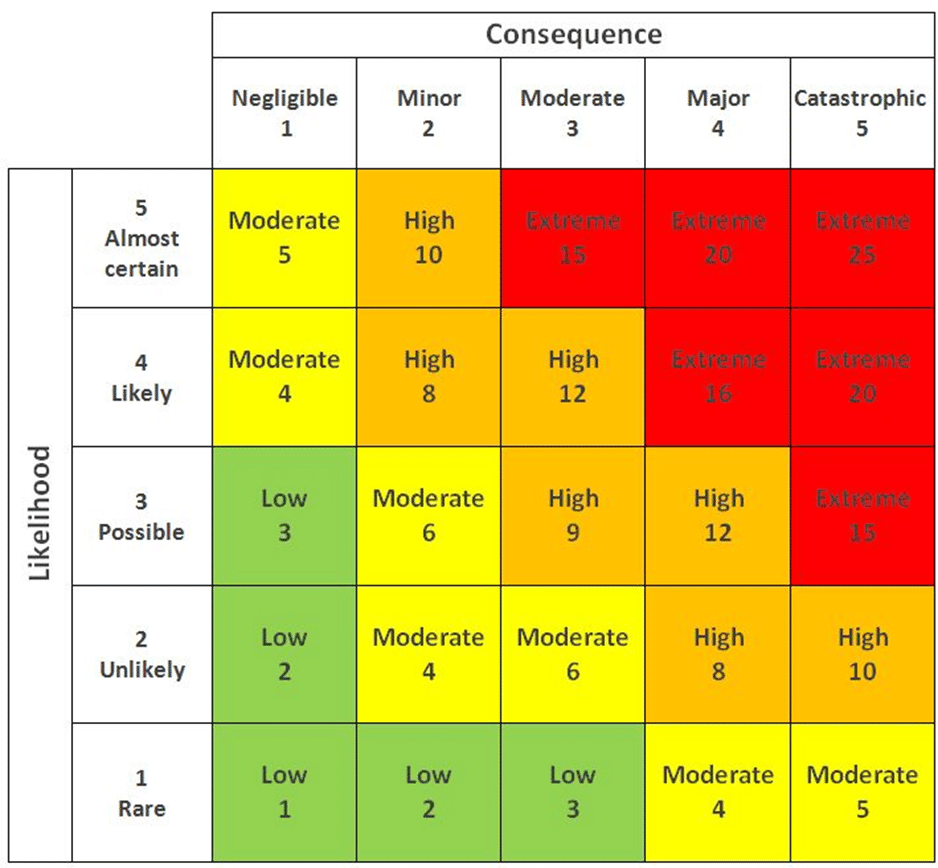
5. Assessing Consequences and Likelihood
Once risks are identified, assessing their potential impact and the likelihood of occurrence is essential. This evaluation helps prioritize risks based on their severity and probability, guiding the organization in focusing its resources on the most significant threats. Both qualitative and quantitative methods can be employed to assess risks effectively.
6. Implementing Risk Treatment Strategies
After assessing risks, organizations must decide on appropriate treatment strategies. Options include avoiding, transferring, mitigating, or accepting risks. Selecting suitable controls from ISO 27001 Annex A and integrating them into the Risk Treatment Plan ensures that identified risks are managed appropriately. The plan should detail the implementation process, including responsible parties and timelines.
7. Importance of Documentation and Continuous Improvement
Documentation plays a critical role in the risk management process. The ISMS Risk Assessment Report and Statement of Applicability provide evidence of the organization’s risk management activities and decisions. These documents are essential for audits and ongoing monitoring. Furthermore, risk management should be a continuous process, with regular reviews and updates to adapt to changing threats and organizational contexts.
By following these structured steps, organizations can establish a robust risk management framework that aligns with ISO 27001 and ISO 27005 standards, enhancing their information security posture and resilience.
Continual improvement doesn’t necessarily entail significant expenses. Many enhancements can be achieved through regular internal audits, management reviews, and staff engagement. By fostering a culture of continuous improvement, organizations can maintain an ISMS that effectively addresses current and emerging information security risks, ensuring resilience and compliance with ISO 27001 standards.
At DISC InfoSec, we streamline the entire process—guiding you confidently through complex frameworks such as ISO 27001, and SOC 2.
Here’s how we help:
Conduct gap assessments to identify compliance challenges and control maturity
Deliver straightforward, practical steps for remediation with assigned responsibility
Ensure ongoing guidance to support continued compliance with standard
Confirm your security posture through risk assessments and penetration testing
Let’s set up a quick call to explore how we can make your cybersecurity compliance process easier.
Feel free to get in touch if you have any questions about the ISO 27001 Internal audit or certification process.
Successfully completing your ISO 27001 audit confirms that your Information Security Management System (ISMS) meets the required standards and assures your customers of your commitment to security.
Get in touch with us to begin your ISO 27001 audit today.
AI-Powered Cyberattacks: Hackers now use AI for smarter, faster attacks. Defense: Deploy AI-driven security tools and invest in AI threat detection.
Deepfake Manipulations: Synthetic media is used for fraud and disinformation. Defense: Train staff on deepfake identification and enhance verification procedures.
Quantum Computing Threats: Future quantum computers could break traditional encryption. Defense: Start planning for quantum-resistant cryptographic solutions.
IoT Exploits: Connected devices are major entry points for attacks. Defense: Implement strict IoT security policies and update firmware regularly.
Supply Chain Attacks: Attackers target vendors and partners to breach organizations. Defense: Conduct thorough supplier risk assessments and enforce supply chain security standards.
Small business owners often prioritize growth, customer satisfaction, and day-to-day operations over cybersecurity. However, cyber threats do not discriminate based on business size. Small businesses are attractive targets due to their limited security resources. Engaging a Virtual Chief Information Security Officer (vCISO) offers an effective way to strengthen cybersecurity without disrupting the business focus.
Many small businesses mistakenly believe cybersecurity is only about compliance and passing audits. A vCISO goes beyond basic regulations, helping businesses proactively defend against threats and breaches that could damage customer trust, disrupt operations, and incur costly recovery expenses. Effective cybersecurity management is an essential part of protecting long-term business viability.
It’s a myth that cybercriminals only pursue large corporations. Small businesses are often easier targets because of weaker defenses and widespread use of automated tools by attackers. A vCISO helps identify and fix vulnerabilities before they are exploited, ensuring small businesses do not fall into the trap of being low-hanging fruit for cyberattacks.
While hiring a full-time Chief Information Security Officer is financially unfeasible for most small businesses, vCISO services provide top-tier cybersecurity leadership at a fraction of the cost. Businesses gain access to expert-level strategy and security program development without the burden of a six-figure salary.
Relying solely on IT generalists or Managed Service Providers (MSPs) often leaves a security leadership gap. A vCISO fills that void, providing business-aligned risk assessments and security strategies. They ensure that initiatives like cloud migrations are conducted securely, asking critical questions about access control, compliance, vendor risks, and breach management.
When a security incident occurs, fast, informed action is crucial. A vCISO ensures there’s a practiced incident response plan, enabling quick, organized reactions that minimize financial loss, downtime, and reputation damage. Without such preparation, businesses risk chaotic, delayed responses that exacerbate the fallout of attacks.
Security needs vary by industry, risk tolerance, and business model. A vCISO tailors security programs to fit each business’s specific needs, avoiding both overspending and dangerous gaps. They embed cybersecurity into everyday business processes, making protection part of growth rather than a hindrance.
In short, vCISO services bring seasoned, executive-level cybersecurity leadership to small businesses at an affordable rate. They help build strong defenses, navigate compliance, respond efficiently to threats and incidents, and align security with business goals — empowering small businesses to thrive securely in a digital world.
Micro-businesses struggle “Cybersecurity readiness among SMBs is far from uniform, with a significant shift at the 50-employee mark. Below this threshold, most SMBs lack formal plans and investment; above it, readiness begins to scale. The SMB security divide is most evident among micro-businesses with fewer than 10 employees: Only 47% of these businesses have a cybersecurity plan, and more than half spend less than 1% of their total budget on security” Crowdstrike SMBs Survey
For small and mid-sized businesses, the stakes are even higher. Without a structured and operational security program in place, they may stand little chance of effectively managing their risks.
DISC InfoSec offer free initial high level assessment – Based on your needs DISC InfoSec offer ongoing compliance management or vCISO retainer.
The release of ISO 27001:2022 introduces key updates, especially in Annex A, which includes 11 new controls, focusing on areas such as cloud service security, business continuity, and threat intelligence. Organizations must transition to the new version by October 2025. While some existing measures might align with these controls, others, like cloud exit strategies or testing business continuity plans, often need further attention. It’s critical for companies to evaluate their processes against these changes to ensure compliance and enhance their security posture.
Continual improvement doesn’t necessarily entail significant expenses. Many enhancements can be achieved through regular internal audits, management reviews, and staff engagement. By fostering a culture of continuous improvement, organizations can maintain an ISMS that effectively addresses current and emerging information security risks, ensuring resilience and compliance with ISO 27001 standards.
At DISC InfoSec, we streamline the entire process—guiding you confidently through complex frameworks such as ISO 27001, SOC 2
Here’s how we help:
Conduct gap assessments to identify compliance challenges and control maturity
Deliver straightforward, practical steps for remediation with assigned responsibility
Ensure ongoing guidance to support continued compliance with standard
Confirm your security posture through risk assessments and penetration testing
Let’s set up a quick call to explore how we can make your cybersecurity compliance process easier.
Feel free to get in touch if you have any questions about the ISO 27001 Internal audit or certification process.
Successfully completing your ISO 27001 audit confirms that your Information Security Management System (ISMS) meets the required standards and assures your customers of your commitment to security.
Get in touch with us to begin your ISO 27001 audit today.
A recent revelation by security researcher Nick Johnson highlights a sophisticated phishing technique that exploits Google’s own services—specifically OAuth and Google Sites—to send DKIM-signed phishing emails that appear entirely legitimate. This method allows attackers to craft emails that seem to originate from “no-reply@google.com,” effectively bypassing traditional email security measures and deceiving recipients into divulging sensitive information.
The attack begins with the creation of a malicious Google OAuth application. Attackers manipulate the app’s name field to include deceptive messages, such as fake security alerts, by inserting numerous spaces or line breaks to obscure the true nature of the content. This crafted app name then autofills into legitimate-looking emails sent by Google, lending an air of authenticity to the phishing attempt.
Subsequently, the attackers leverage Google Sites to host convincing phishing pages that mimic official Google interfaces. These pages are designed to harvest user credentials under the guise of legitimate Google services. Because the emails are sent through Google’s infrastructure and are DKIM-signed, they often evade spam filters and other security checks, making them particularly dangerous.
This method is especially concerning because it exploits the inherent trust users place in Google’s services. By utilizing Google’s own platforms to disseminate phishing emails and host malicious content, attackers can effectively bypass many of the safeguards that users and organizations rely on to protect against such threats.
The implications of this technique are far-reaching. It underscores the need for heightened vigilance and more robust security measures, as traditional defenses like DKIM and SPF may not be sufficient to detect and block such sophisticated attacks. Organizations must recognize that even trusted platforms can be manipulated to serve malicious purposes.
To counteract these threats, several measures can be implemented:
User Education: Regular training to help users recognize phishing attempts, even those that appear to come from trusted sources.
Two-Factor Authentication (2FA): Encouraging or mandating the use of 2FA can add an additional layer of security, making it more difficult for attackers to gain unauthorized access.
Monitoring and Alerts: Implementing systems that monitor for unusual OAuth app creations or sign-in activities can help detect and respond to suspicious behavior promptly.
Email Filtering Enhancements: Updating email filters to scrutinize not just the sender’s address but also the content and context of the message can improve detection rates.
Collaboration with Service Providers: Working closely with platforms like Google to report and address vulnerabilities can lead to quicker resolutions and improved security for all users.
By adopting a multi-faceted approach that combines user awareness, technical safeguards, and proactive collaboration, organizations can better defend against these advanced phishing techniques.
Maintaining an effective Information Security Management System (ISMS) under ISO 27001 necessitates ongoing evaluation and enhancement. Clause 10 of the standard emphasizes the importance of continual improvement to ensure that security measures remain robust and aligned with organizational objectives. This involves regularly monitoring the effectiveness of implemented controls, measuring their performance against set objectives, and making necessary adjustments to address evolving information security risks.
The dynamic nature of information security threats, particularly in the cyber realm, requires organizations to be proactive. Cybercriminals continually develop new tools and methods, making it imperative for organizations to adapt their defenses accordingly. Additionally, as organizations evolve, new risks may emerge, and existing ones may change, underscoring the need for continuous assessment and refinement of security measures.
ISO 27001’s Clause 10.1 mandates organizations to continually improve the suitability, adequacy, and effectiveness of their ISMS. This can be achieved by identifying opportunities for enhancement during management reviews and through the nonconformity and corrective action processes outlined in Clause 10.2. Regular internal audits and management reviews play a crucial role in this continual improvement cycle.
Nonconformities within an ISMS are categorized into three types: major nonconformities, minor nonconformities, and opportunities for improvement (OFIs). Major nonconformities indicate significant failures, such as the absence of a critical process like risk assessment. Minor nonconformities refer to partial compliance with some deficiencies that don’t critically harm the ISMS’s operation. OFIs highlight minor issues that aren’t currently problematic but could become so in the future. Identifying these nonconformities typically occurs through internal audits, monitoring, and analysis of logs or records.
Upon identifying a nonconformity, organizations are required to take corrective actions. This involves reacting to the nonconformity, determining its cause, and implementing measures to prevent its recurrence. The effectiveness of these corrective actions should be reviewed, and all related activities must be documented to demonstrate compliance and facilitate ongoing improvement.
Continual improvement doesn’t necessarily entail significant expenses. Many enhancements can be achieved through regular internal audits, management reviews, and staff engagement. By fostering a culture of continuous improvement, organizations can maintain an ISMS that effectively addresses current and emerging information security risks, ensuring resilience and compliance with ISO 27001 standards.
Feel free to get in touch if you have any questions about the ISO 27001 Internal audit or certification process.
Successfully completing your ISO 27001 audit confirms that your Information Security Management System (ISMS) meets the required standards and assures your customers of your commitment to security.
Get in touch with us to begin your ISO 27001 audit today.
Flipper Zero : Empower Your Security Journey with The Ultimate Portable Multitool for Cybersecurity, Ethical Hacking, Penetration Testing, IoT Security, and Electronics Prototyping.
Flipper Zero is a compact, multi-functional device designed for security testing and hardware exploration. It enables users to interact with a variety of access control systems and wireless communications by reading, copying, and emulating signals from technologies such as RFID, NFC, infrared, and sub-GHz radio frequencies.
Launched through a successful Kickstarter campaign in 2020, Flipper Zero gained popularity for its versatility and user-friendly design. The device features a monochrome LCD screen and a five-button directional pad for navigation. Notably, it includes a virtual pet dolphin that reacts to user interactions, adding an engaging element to its functionality.
Flipper Zero’s capabilities encompass a wide range of applications:
RFID and NFC: It can read, store, and emulate low-frequency (125 kHz) and high-frequency (13.56 MHz) RFID and NFC cards, commonly used in access control and contactless payment systems.
Infrared Transceiver: The device can capture and transmit infrared signals, allowing it to function as a universal remote for various electronics.
Sub-GHz Radio: Flipper Zero is capable of interacting with devices operating on sub-GHz frequencies, such as garage door openers and IoT sensors, by analyzing and replicating their signals.
GPIO Interface: It offers general-purpose input/output pins to connect with and control external hardware components, facilitating hardware debugging and development.
While Flipper Zero is a powerful tool for security professionals and enthusiasts to test and understand wireless systems, it’s essential to use it responsibly and ethically. Unauthorized use of its capabilities can lead to legal consequences.
For a visual overview and demonstration of Flipper Zero’s features, you might find the following video informative:
Every pentester should consider having a Flipper Zero because it’s like a Swiss Army knife for testing physical and wireless security. Here’s why it’s a must-have:
🔧 1. Multi-Protocol Capabilities in One Device
RFID/NFC: Test badge cloning and access control systems.
Sub-GHz: Interact with garage doors, IoT devices, and older wireless protocols.
Infrared: Clone remotes for TVs, AC units, etc.
Bluetooth (via dev board): Sniff and test BLE devices.
🧪 2. Hardware Hacking on the Go
Has GPIO pins to interact with other hardware — perfect for quick and dirty hardware interfacing, debugging, or logic analysis.
🧰 3. Portable & Discreet
It’s small, pocket-friendly, and looks like a toy. Great for red teaming or physical engagements without drawing attention.
🚀 4. Community & Extensibility
Tons of custom firmware and plugins (like RogueMaster) that add features like Wi-Fi attacks, BadUSB, signal jamming (for research!), etc.
👨💻 5. Saves Time
Instead of lugging around multiple tools or building custom setups, you get plug-and-play convenience for many common wireless/hardware tests.
⚠️ Caveat: Always use it within the boundaries of your engagement rules and local laws — some functions can cross legal lines if misused.
A quick hit list of top pentest tasks you can do with a Flipper Zero — super handy during engagements or recon:
🔓 Access Control Testing
Read/Clone RFID cards (125kHz like HID, EM4100)
Read/Emulate NFC badges (13.56MHz — MIFARE, etc.)
Test building badge systems for weak cloning protections
📡 Wireless Signal Attacks (Sub-GHz)
Sniff, capture, and replay signals from:
Garage doors
Car key fobs (unsecured ones)
Wireless doorbells
Brute force rolling codes (with add-ons, for testing weak implementations)
🛰️ Infrared (IR) Testing
Capture and replay IR remote commands
Test TVs, AC units, and projectors for universal remote vulnerabilities
In early 2025, the Trump administration initiated significant shifts in artificial intelligence (AI) policy by rescinding several Biden-era executive orders aimed at regulating AI development and use. President Trump emphasized reducing regulatory constraints to foster innovation and maintain the United States’ competitive edge in AI technology. This approach aligns with the administration’s broader goal of minimizing federal oversight in favor of industry-led advancements.
Vice President J.D. Vance articulated the administration’s AI policy priorities at the 2025 AI Action Summit in Paris, highlighting four key objectives: ensuring American AI technology remains the global standard, promoting pro-growth policies over excessive regulation, preventing ideological bias in AI applications, and leveraging AI for job creation within the United States. Vance criticized the European Union’s cautious regulatory stance, advocating instead for frameworks that encourage technological development.
In line with this deregulatory agenda, the White House directed federal agencies to appoint chief AI officers and develop strategies for expanding AI utilization. This directive rescinded previous orders that mandated safeguards and transparency in AI applications, reflecting the administration’s intent to remove what it perceives as bureaucratic obstacles to innovation. Agencies are now encouraged to prioritize American-made AI, focus on interoperability, and protect privacy while streamlining acquisition processes.
The administration’s stance has significant implications for state-level AI regulations. With limited prospects for comprehensive federal AI legislation, states are expected to take the lead in addressing emerging AI-related issues. In 2024, at least 45 states introduced AI-related bills, with some enacting comprehensive legislation to address concerns such as algorithmic discrimination. This trend is likely to continue, resulting in a fragmented regulatory landscape across the country.
Data privacy remains a contentious issue amid these policy shifts. The proposed American Privacy Rights Act of 2024 aims to establish a comprehensive federal privacy framework, potentially preempting state laws and allowing individuals to sue over alleged violations. However, in the absence of federal action, states have continued to enact their own privacy laws, leading to a complex and varied regulatory environment for businesses and consumers alike.
Critics of the administration’s approach express concerns that the emphasis on deregulation may compromise necessary safeguards, particularly regarding the use of AI in sensitive areas such as political campaigns and privacy protection. The balance between fostering innovation and ensuring ethical AI deployment remains a central debate as the U.S. navigates its leadership role in the global AI landscape.
🔧 Definition: Reproduces the exact behavior of one system on a different system. 🎯 Goal: Act like the real system, often for compatibility. 📦 Example: Running an old video game console on your PC using an emulator.
Key Traits:
Mimics both hardware and software behavior.
Used when accuracy is critical (e.g., legacy system support).
Slower but more faithful to original system.
Simulation
🧪 Definition: Models a system’s behavior to study or predict how it operates. 🎯 Goal: Understand or analyze system behavior, not necessarily replicate it exactly. 📊 Example: Simulating weather patterns or network traffic.
Key Traits:
Abstracts certain behaviors for analysis.
Focused on performance, outcomes, or patterns.
Often used in design, training, or testing.
👥 Analogy:
Emulation is like impersonating someone exactly—their voice, walk, habits.
Simulation is like creating a role-play of their behavior to study how they might act.
🔍 Emulation vs. Simulation: Side-by-Side Comparison
Feature
Emulation
Simulation
Purpose
Replicate exact behavior of a system
Model system behavior to understand, test, or predict outcomes
Accuracy
Very high – mimics original system closely
Approximate – focuses on behavior, not exact replication
Use Case
Compatibility, legacy system testing
Analysis, design, forecasting, training
Speed
Slower due to detailed replication
Faster due to abstraction
System Behavior
Includes full hardware/software behavior
Models only necessary parts of the system
Cybersecurity Example
Emulating malware in a sandbox to observe behavior
Simulating a DDoS attack to test how a network would respond
The U.S. National Institute of Standards and Technology (NIST) has raised concerns about the security vulnerabilities inherent in artificial intelligence (AI) systems. In a recent report, NIST emphasizes that there is currently no foolproof method to defend AI technologies from adversarial attacks. The institute warns against accepting vendor claims of absolute AI security, noting that developers and users should be cautious of such assurances.
NIST’s research highlights several types of attacks that can compromise AI systems:
Evasion Attacks: These occur when adversaries manipulate inputs to deceive AI models, leading to incorrect outputs.
Poisoning Attacks: In these cases, attackers corrupt training data, causing the AI system to learn incorrect behaviors.
Privacy Attacks: These involve extracting sensitive information from AI models, potentially leading to data breaches.
Abuse Attacks: Here, legitimate sources of information are compromised to mislead the AI system’s operations.
NIST underscores that existing defenses against such attacks are insufficient and lack robust assurances. The agency calls on the broader tech community to develop more effective security measures to protect AI systems.
In response to these challenges, NIST has launched the Cybersecurity, Privacy, and AI Program. This initiative aims to support organizations in adapting their risk management strategies to address the evolving landscape of AI-related cybersecurity and privacy risks.
Overall, NIST’s findings serve as a cautionary reminder of the current limitations in AI security and the pressing need for continued research and development of robust defense mechanisms.
Small business owners often prioritize growth and customer service, inadvertently overlooking cybersecurity. However, cyber threats are indifferent to company size, frequently targeting smaller enterprises due to their comparatively weaker security measures. Engaging a Virtual Chief Information Security Officer (vCISO) can provide the necessary expertise to bolster defenses and protect critical assets.
While many small businesses view cybersecurity merely as a compliance requirement, this perspective is limited. A vCISO offers more than just ensuring adherence to regulations; they proactively work to prevent breaches that could disrupt operations, erode customer trust, and incur substantial recovery costs.
Contrary to the belief that cybercriminals focus solely on large corporations, small businesses are often prime targets due to their perceived vulnerabilities. Attackers employ automated tools to identify and exploit weaknesses, making robust security measures essential for businesses of all sizes.
The financial burden of hiring a full-time Chief Information Security Officer can be prohibitive for many small businesses. A vCISO provides executive-level cybersecurity guidance at a fraction of the cost, granting access to seasoned professionals without the expense of a full-time position.
Relying solely on IT generalists or managed service providers for security may not suffice. A vCISO brings dedicated strategic insight, aligning security initiatives with business objectives and facilitating informed decision-making. For instance, during a cloud migration, a vCISO would address critical security considerations such as access control, data residency, vendor risks, and breach response plans.
In the event of a cybersecurity incident, having a well-practiced response plan is crucial. A vCISO ensures preparedness, enabling swift and effective action to mitigate damage, control costs, and preserve the company’s reputation. Their tailored approach considers the unique needs and risk tolerance of the business, ensuring appropriate investment in necessary protections without overspending on superfluous tools.
Why Small Businesses may Need vCISO Services
1. Targeted by Cybercriminals Small businesses often believe they fly under the radar, but cybercriminals see them as easy prey. With limited security budgets and lack of specialized personnel, they are prime targets for ransomware, phishing, and other attacks. A vCISO helps shore up defenses before attackers strike.
2. Cost-Effective Expertise Hiring a full-time Chief Information Security Officer (CISO) is often financially out of reach for small businesses. A vCISO offers the same strategic insight and leadership on a part-time or fractional basis—delivering enterprise-level expertise without the enterprise-level price tag.
3. Regulatory Compliance From HIPAA and PCI-DSS to GDPR and state-level data protection laws, compliance is critical. A vCISO ensures the organization meets necessary regulatory requirements, helping avoid fines, legal trouble, and loss of customer trust.
4. Risk-Based Security Strategy Not every threat deserves the same level of attention. A vCISO helps identify and prioritize risks based on the business’s unique environment, making sure resources are directed toward the most impactful protections.
5. Preparedness for Incidents Cyber incidents are not a matter of “if” but “when.” A vCISO creates and tests incident response plans so the business is ready to react swiftly. This minimizes damage, downtime, and potential losses.
6. Third-Party & Cloud Security Oversight With growing reliance on SaaS applications and third-party vendors, managing external risk is crucial. A vCISO provides guidance on secure vendor selection, cloud architecture, and ongoing monitoring to ensure strong data protection.
For small and mid-sized businesses, the stakes are even higher. Without a structured and operational security program in place, they may stand little chance of effectively managing their risks.
DISC InfoSec offer free initial high level assessment – Based on your needs DISC InfoSec offer ongoing compliance management or vCISO retainer.
Investing in ISO 27001: Risk Reduction, Competitive Edge, and Cost Savings
Implementing an Information Security Management System (ISMS) based on the ISO/IEC 27001 standard offers organizations a structured approach to managing information security risks. This system enhances the organization’s ability to handle information security incidents effectively, thereby reducing potential losses and associated costs. By systematically addressing information risks, the ISMS ensures that security measures are aligned with the organization’s specific needs and risk profile.
The adoption of an ISMS leads to a more consistent and comprehensive identification and mitigation of threats and vulnerabilities. This proactive stance not only strengthens existing security controls but also fosters a culture of continuous improvement and awareness among employees. As a result, the organization becomes more resilient and adaptable in the face of evolving cyber threats and uncertainties.
Standardizing information security practices through ISO/IEC 27001 ensures consistency both internally and externally. Internally, it provides a uniform framework across various departments and functions, facilitating coordinated efforts in managing information security. Externally, adherence to internationally recognized standards enhances the organization’s credibility and can lead to competitive advantages in the global market.
The ISMS serves as a solid foundation upon which additional security measures can be built as needed. This scalability allows organizations to tailor their security posture to address specific threats and protect particularly valuable or sensitive information assets effectively. By focusing resources on critical areas, organizations can achieve cost efficiencies while maintaining robust security.
Implementing an ISMS also facilitates better risk communication and understanding among stakeholders. Managers and staff become more familiar with information security concepts, leading to increased competence and a proactive approach to risk management. This heightened awareness contributes to a stronger security culture within the organization.
While there are costs associated with establishing and maintaining an ISMS, many of these expenses would be incurred regardless, as information security is a business imperative. The additional costs specific to the ISMS primarily relate to the initial implementation project, adjustments to governance structures, and optional certification processes. These investments are offset by the long-term benefits of reduced incident-related losses and improved compliance.
Organizations may also experience indirect benefits such as potential reductions in insurance premiums due to the implementation of robust security controls. By demonstrating a commitment to information security through an ISMS, organizations can negotiate more favorable terms with insurers, leading to cost savings.
In summary, adopting an ISMS based on ISO/IEC 27001 standards provides organizations with a systematic and effective framework for managing information security risks. The approach enhances resilience, ensures consistency, and can lead to significant cost savings over time. By embedding information security into the organizational culture, companies can protect their assets more effectively and maintain a competitive edge in today’s digital landscape.
DISC InfoSec is currently conducting market research in the InfoSec space and would greatly value your insights. As a thank you, we’re offering a free 30-minute security consultation to learn how to turn the Flywheel of ISMS in motion:—no strings attached. This offer is only available for the next week before April 11th 2025, so if you’re open to a quick chat, let’s lock in a time ASAP. Thanks, https://www.deurainfosec.com/ info@deurainfosec.com
As vehicles become increasingly connected, integrating sensors, software, and internet connectivity, they offer enhanced safety and convenience features. However, this technological advancement also exposes them to significant cybersecurity risks, making them susceptible to hacking and unauthorized access.
A notable example occurred in 2024 when researchers, including Sam Curry, identified a vulnerability in Kia’s web portal. This flaw allowed unauthorized reassignment of control over internet-connected features in Kia vehicles manufactured after 2013. Similarly, certain Subaru models were found to be remotely hijackable and trackable due to security weaknesses.
The financial impact of such cyberattacks on the automotive industry is substantial. According to a report by VicOne, the industry faced approximately $22.5 billion in cyberattack costs, including $20 billion from data breaches, $1.9 billion due to system downtime, and $538 million in ransomware damages.
Modern vehicles are vulnerable to various cybersecurity threats, including remote hacks through Bluetooth, Wi-Fi, and cellular connections; physical access attacks via diagnostic ports like OBD-II; software vulnerabilities that can be exploited for unauthorized control or data theft; and malware or ransomware injections that can incapacitate vehicle systems.
In-vehicle networks such as the Controller Area Network (CAN) and Local Interconnect Network (LIN), which manage critical functions from engine control to seat adjustments, were not originally designed with security in mind. This oversight leaves them particularly susceptible to hacking. Implementing measures like encryption, authentication, and intrusion detection systems is essential to safeguard these networks.
The advent of autonomous vehicles introduces additional security concerns. Self-driving cars rely heavily on AI algorithms and sensor systems, necessitating robust cybersecurity measures to protect against both external and internal threats. Ensuring the integrity of communication between these components is critical for the safety of passengers and the public.
Manufacturers and regulators must prioritize cybersecurity in vehicle design and operation. This includes conducting thorough risk assessments, implementing comprehensive security protocols, and staying vigilant against emerging threats to protect consumers and maintain trust in automotive technologies.
ISO 27001:2022 is the international standard for information security management systems (ISMS), providing a framework for organizations to identify and address information security risks. While clauses 4–10 outline the broader ISMS requirements, Annex A offers a detailed list of 93 security controls categorized into four themes: Organizational, People, Physical, and Technological. This structure differs from the 2013 version, which contained 114 controls across 14 domains.
The Organizational category comprises 37 controls focusing on policies, procedures, and responsibilities essential for effective information security. These include establishing an information security policy, defining management responsibilities, maintaining contact with authorities, gathering threat intelligence, classifying information, managing identity and access, and overseeing asset management.
The People category encompasses 8 controls addressing the human element of information security. Key aspects involve conducting pre-employment screening, providing staff awareness training, implementing contracts and non-disclosure agreements (NDAs), managing remote working arrangements, and establishing procedures for reporting security events.
The Physical category contains 14 controls that pertain to securing the physical environment of the ISMS. These controls cover areas such as defining security perimeters and secure areas, enforcing clear desk and screen policies, ensuring the reliability of supporting utilities, securing cabling infrastructure, and maintaining equipment properly.
The Technological category includes 34 controls related to the digital aspects of information security. This encompasses implementing malware protection, establishing backup procedures, conducting logging and monitoring activities, ensuring network security and segregation, and adhering to secure development and coding practices.
Selecting appropriate Annex A controls should be based on an organization’s specific risk assessment. After identifying relevant controls, organizations compare them against Annex A to ensure comprehensive risk coverage. Any exclusions of Annex A controls must be justified and documented in the Statement of Applicability (SoA).
The SoA is a critical document within the ISMS, listing all Annex A controls along with justifications for their inclusion or exclusion and their implementation status. It should also incorporate any additional controls from other frameworks or those developed internally. Maintaining the SoA with version control and regular reviews is essential, as it plays a significant role during certification and surveillance audits conducted by certification bodies.
Understanding the distinctions between ISO 27001’s Annex A and ISO 27002 is important. While Annex A provides a concise list of controls, ISO 27002 offers detailed implementation guidance for these controls, assisting organizations in effectively applying them within their ISMS.
Reach out to us for a free high-level assessment of your organization against ISO 27002 controls.