Apr 11 2024

DuckDuckGo Is Taking Its Privacy Fight to Data Brokers

Category: Information Privacy,Web Search Engine,Web Securitydisc7 @ 8:03 am
https://www.wired.com/story/duckduckgo-vpn-data-removal-tool-privacy-pro/

For more than a decade, DuckDuckGo has rallied against Google’s extensive online tracking. Now the privacy-focused web search and browser company has another target in its sights: the sprawling, messy web of data brokers that collect and sell your data every single day.

Today, DuckDuckGo is launching a new browser-based tool that automatically scans data broker websites for your name and address and requests that they be removed. Gabriel Weinberg, the company’s founder and CEO, says the personal-information-removal product is the first of its kind where users don’t have to submit any of their details to the tool’s owners. The service will make the requests for information to be removed and then continually check if new records have been added, Weinberg says. “We’ve been doing it to automate it completely end-to-end, so you don’t have to do anything.

The personal-information removal is part of DuckDuckGo’s first subscription service, called Privacy Pro, and is bundled with the firm’s first VPN and an identity-theft-restoration service. Weinberg says the subscription offering, which is initially available only in the US for $9.99 per month or $99.99 per year, is part of an effort to add to the privacy-focused tools it provides within its web browser and search engine. “There’s only so much we can do in that browsing loop, there’s things happening outside of that, and a big one is data brokers, selling information scraped from different places,” Weinberg says.

The data broker industry is a far-reaching, $200-plus billion market, which collects, buys, and sells as much information as it can. A lack of comprehensive privacy laws in the US allows companies to easily trade everything from people’s names and addresses to financial data and specific GPS coordinates gathered from your phone. (The recently proposed American Privacy Rights Act, if passed, would create a new registry of data brokers and give people some European-style privacy rights).

DuckDuckGo’s personal-information-removal tool—for now, at least—is taking the privacy fight to people-search websites, which allow you to look up names, addresses, and some details of family members. However, Weinberg says DuckDuckGo has created it so the company isn’t gathering details about you, and it is built on technology from Removaly, which the company acquired in 2022.

Ahead of its launch, the company demonstrated how the system works and some of the engineering efforts that went into its creation. On the surface, the removal tool is straightforward: You access it through the company’s browser and enter some information about yourself, such as your name, year of birth, and any addresses. It then scans 53 data broker websites for results linked to you and requests those results to be wiped. (All 53 data brokers included have opt-out schemes that allow people to make requests.) A dashboard shows updates about what has been removed and when it will next scan those websites again, in case new records have been added.

Under the hood, things are more complex. Greg Fiorentino, a product director at DuckDuckGo, says when you enter your personal data into the system, it’s all saved in an encrypted database on your computer (the tool doesn’t work on mobile), and the company isn’t sent this information. “It doesn’t go to DuckDuckGo servers at all,” he says.

For each of the data brokers’ websites, Fiorentino says, DuckDuckGo looked at its URL structure: For instance, search results may include the name, location, and other personal information that are queried. When the personal information tool looks for you on these websites, it constructs a URL with the details you have entered.

“Each of the 53 sites we cover has a slightly different structure,” Fiorentino says. “We have a template URL string that we substitute the data in from the user to search. There are lots of different nuances and things that we need to be able to handle to actually match the data correctly.”

During testing, the company says, it found most people have between 15 and 30 records on the data broker sites it checks, although the highest was around 150. Weinberg says he added six addresses to be removed from websites. “I found hits on old stuff, and even in the current address, which I really tried to hide a bit from getting spam at, it’s still out there somehow,” Weinberg says. “It’s really hard to avoid your information getting out there.”

Once the scan for records has been completed, the DuckDuckGo system, using a similar deconstruction of each of the data broker websites, will then automatically make requests for the records to be removed, the team working on the product say. Fiorentino says some opt-outs will happen within hours, whereas others can take weeks to remove the data. The product director says that in the future, the tool may be able to remove data from more websites, and the company is looking at potentially including more sensitive data in the opt-outs, such as financial information.

Various personal-information-removal services exist on the web, and they can vary in what they remove from websites or the services they provide. Not all are trustworthy. Recently, Mozilla, the creator of the Firefox browser, stopped working with identity protection service Onerep after investigative journalist Brian Krebs revealed that the founder of Onerep also founded dozens of people-search websites in recent years.

DuckDuckGo’s subscription service marks the first time the company has started charging for a product—its browser and search engine are free to use, and the firm makes its money from contextual ads. Weinberg says that, because subscriptions are purchased through Apple’s App Store, Google Play, or with payment provider Stripe, details about who subscribes are not transferred to DuckDuckGo’s servers. A random ID is created for each user when they sign up, so people don’t have to create an account or hand DuckDuckGo their payment information. The company says it doesn’t have access to people’s Apple IDs or Google account details.

For its identity-theft-restoration service, DuckDuckGo says it is working with identity protection service Iris, which uses trained staff to help with fraudulent banking activity, document replacement, emergency travel, and more. DuckDuckGo says no information is shared between it and Iris.

Weinberg says that while the company’s main focus is providing free and easy-to-use privacy tools to people, running a VPN and the removal tool requires a different business model. “It just takes a lot of bandwidth,” he says of the VPN.

Broadly, the VPN industry, which allows people to hide their web traffic from internet providers and avoid geographic restrictions on streaming, has historically been full of companies with questionable records when it comes to privacy and people’s data. Free VPNs have long been a privacy nightmare.

DuckDuckGo says its VPN, which it built in-house and which uses the WireGuard protocol, does not store any logs of people’s activities and can be used on up to five devices at once. “We don’t have any record of website visits, DNS requests, IP addresses connected, or session lengths,” the company says in its documentation. The VPN runs through its browser, with 13 location options at launch, but shields all internet traffic passing through your phone or computer.

The company says it is conducting a third-party audit of the VPN to allow its claims to be scrutinized, and it will publish the full audit once it’s complete. “We really wanted to do something in the VPN space for a long time, we just didn’t have the resources and people to do it,” Weinberg says. “We looked at partnering in different places. If we have to completely trust a partner versus building something where we can make it anonymous, we decided we would want to do it ourselves.”

Why you should use Duckduckgo as your search engine NOW!

InfoSec services | InfoSec books | Follow our blog | DISC llc is listed on The vCISO Directory | ISO 27k Chat bot
    Tags: DuckDuckGo


    Mar 05 2024

    Facebook, Instagram and Threads kicking users off with password reset

    Category: Social networkdisc7 @ 10:56 am
    https://www.theregister.com/2024/03/05/facebook_instagram_outage/

    Millions of voices suddenly cried out in terror and were suddenly silenced

    Tue 5 Mar 2024 // 16:16 UTC

    UPDATED Those trying to log into Meta’s Facebook, Instagram, and Threads for their social media fixes are facing panic this morning after being locked out of their accounts.

    “We’re aware people are having trouble accessing our services. We are working on this now,” Meta spokesperson Andy Stone said in a post on the social media site formerly known at Twitter. The latter site still up and running, presumably much to Elon’s delight.

    “We are aware of an issue impacting Facebook Login. Our engineering teams are actively looking to resolve the issue as quickly as possible,” Meta said on its status page in a post timestamped at 0717 PT.

    Folks trying to log into the Meta-owned accounts are told their passwords are wrong. Those trying to reset their password using two-factor authentication are told there’s an error and to try again. Needless to say it isn’t working.

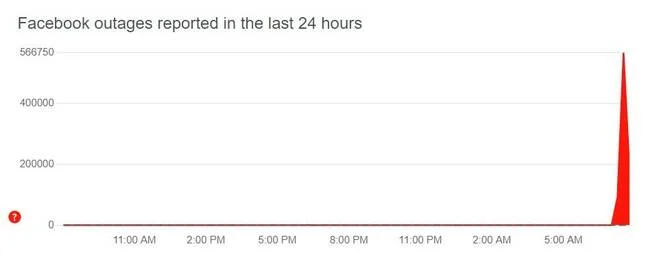
    According to Downdetector over half a million users logged complaints, a huge number given the reports are usually counted in the low thousands. The problems appear to have kicked off around 0700 PT (1500 UTC) but now appear to be dropping very slightly.

    We’ll update this article as the situation progresses but in the meantime don’t panic – you haven’t been hacked. On the balance of probabilities it’s probably someone pushing the wrong button.

    Let’s not forget, we’ve been here before and these things sort themselves out (usually). ®

    Updated to add

    The US Cybersecurity and Infrastructure Security Agency (CISA) was holding pre-scheduled press briefings this morning on election security and naturally the outage was one of the first questions asked.

    “We are aware of the incident and at this time we are not aware of any specific election nexus or any specific malicious cyber activity nexus to the outage. But we are aware of the incident and the global scope of it,” a CISA spokesperson said.

    It’s a big day for the US today: Super Tuesday, where 15 states elect delegates to decide which candidates will run for the presidency (Hint: It’s Trump v Biden). The outage has already set conspiracy theorists all aflutter, and some hacking groups are claiming responsibility for a cyber attack, in both cases without any evidence.

    Final update

    All services now appears to be coming back online.

    “We are recovering from an earlier outage impacting Facebook Login, and services are in the process of being restored. We apologize for any inconvenience that this may have caused,” Meta said at 0907 PT.

    Tags: facebook, Meta, outage


    Jan 26 2024

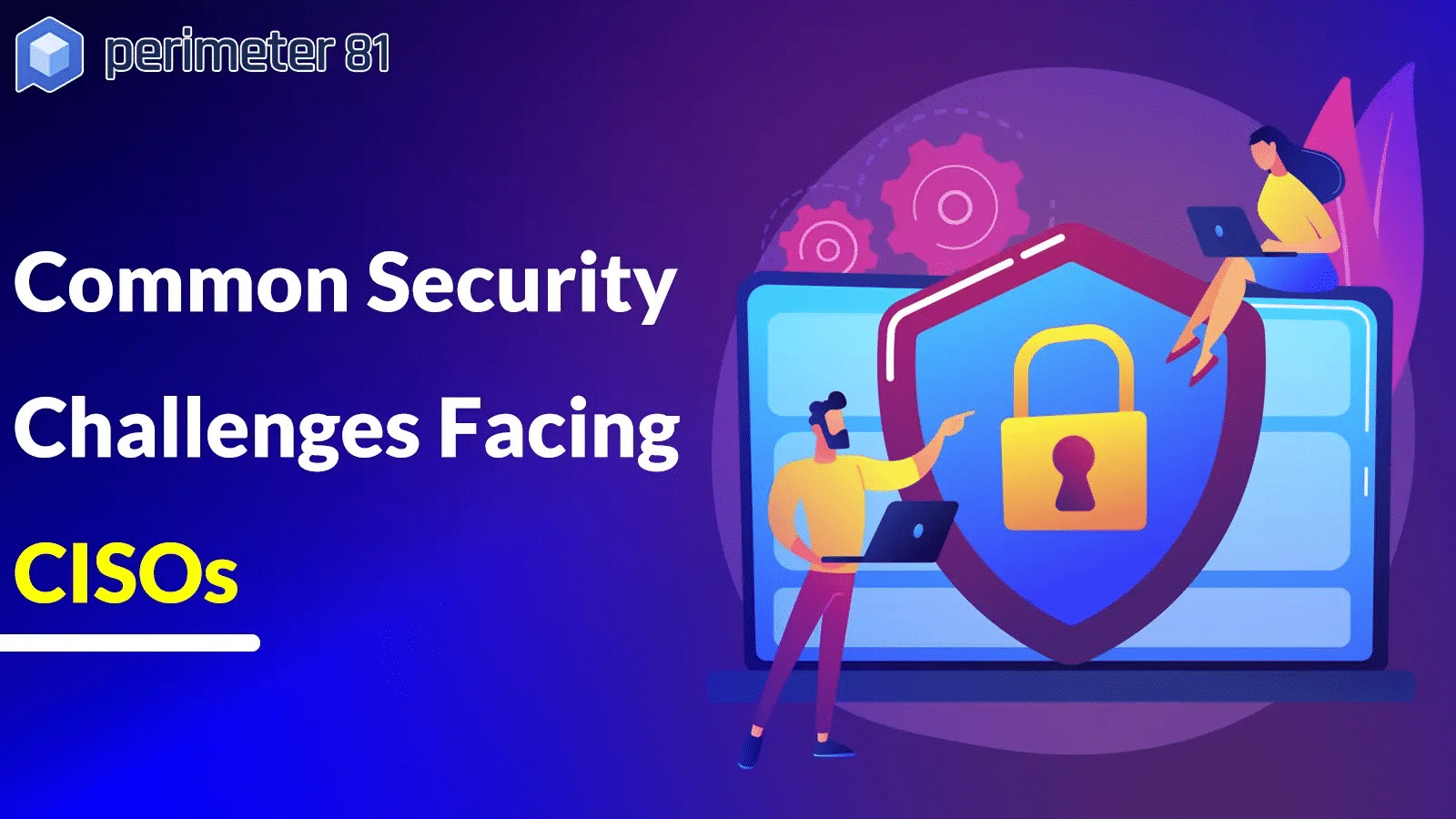
    What are the Common Security Challenges CISOs Face?

    Category: CISO,vCISOdisc7 @ 7:35 am

    Chief Information Security Officers (CISOs) hold a critical and challenging role in today’s rapidly evolving cybersecurity landscape. Here are the common security challenges CISOs face…

    As organizations increasingly rely on technology to drive their operations, CISOs face complex security challenges that demand their expertise and strategic decision-making.

    These challenges arise from the constant emergence of sophisticated cyber threats, the need to protect sensitive data, and the ever-evolving regulatory landscape.

    The role of a CISO requires balancing proactive risk mitigation with the ability to respond swiftly to incidents and breaches.

    This article will delve into the top challenges CISOs face, including protecting digital assets, managing security incidents, ensuring compliance, dealing with insider threats, and the relentless pursuit of cyber resilience.

    By understanding these challenges, CISOs can develop robust cybersecurity strategies and lead their organizations toward a secure and resilient future.

    Who is a CISO?

    Chief Information Security Officer (CISO) is a senior executive responsible for overseeing and administering an organization’s information security plan.

    A CISO’s primary responsibility is safeguarding the confidentiality, availability, and integrity of an organization’s information assets and systems.

    They are accountable for creating and enforcing strategies, policies, and procedures to defend against cyber threats, protect sensitive data, and mitigate security risks.

    CISOs play a crucial role in maintaining an organization’s security posture by establishing and enforcing security standards, conducting risk assessments, and implementing appropriate security controls.

    They collaborate with other executives, IT teams, and stakeholders to align security initiatives with business objectives and ensure that security measures are integrated into the organization’s operations.

    In addition to their technical expertise, CISOs often engage in risk management, incident response planning, security awareness training, and compliance with regulatory requirements.

    They stay updated on the latest cybersecurity trends, threats, and technologies to address emerging risks and implement appropriate security measures effectively.

    The role of a CISO has become increasingly important as cyber threats evolve in complexity and frequency.

    CISOs are responsible for safeguarding the organization’s sensitive information, maintaining the trust of customers and stakeholders, and ensuring business continuity in the face of cybersecurity challenges.

    What are all the Roles and Responsibilities of CISO?

    1. Developing and Implementing Information Security Strategy: The CISO is responsible for developing and implementing an overarching information security strategy aligned with the organization’s business objectives. This includes setting security goals, defining security policies and procedures, and establishing risk management frameworks.
    2. Leading the Security Team: The CISO manages and provides leadership to the security team, including hiring, training, and supervising security personnel. They ensure the team has the necessary skills, resources, and support to carry out their responsibilities effectively.
    3. Overseeing Security Operations: The CISO oversees day-to-day security operations, including incident response, vulnerability management, threat intelligence, and security monitoring. They ensure appropriate controls, technologies, and processes are in place to protect the organization’s assets.
    4. Risk Management: The CISO is responsible for identifying and assessing security risks to the organization’s information systems and assets. They develop and implement risk management strategies to safeguard critical data and systems, including risk mitigation, transfer, and acceptance.
    5. Compliance and Regulatory Requirements: The CISO ensures that the organization complies with relevant security regulations, industry standards, and legal requirements. They stay updated on emerging regulations and ensure appropriate controls and processes are in place to meet compliance obligations.
    6. Security Incident Response: The CISO leads the organization’s response to security incidents, including data breaches, malware attacks, and other security breaches. They establish incident response plans, coordinate efforts, and collaborate with relevant stakeholders, such as legal, PR, and law enforcement agencies.
    7. Security Awareness and Training: The CISO promotes a culture of security awareness throughout the organization. They develop and deliver security awareness programs and training initiatives to educate employees on security best practices and minimize human-related security risks.
    8. Vendor and Third-Party Risk Management: The CISO assesses and manages security risks associated with third-party vendors and partners. They establish vendor security requirements, conduct due diligence, and monitor compliance with security standards and contractual obligations.
    9. Security Governance and Reporting: The CISO provides regular reports and updates on the organization’s security posture to executive management, board members, and other relevant stakeholders. They ensure that security metrics and key performance indicators (KPIs) are established to measure the effectiveness of security programs.
    10. Incident Investigation and Forensics: In the event of security incidents, the CISO oversees the investigation and forensic analysis to identify the root cause, assess the impact, and prevent future occurrences. As required, they collaborate with internal and external resources, such as forensic experts and law enforcement agencies.

    GLOBAL CISO – STRATEGY, TACTICS, & LEADERSHIP: How to Succeed in InfoSec and CyberSecurity

    Security Challenges CISOs Face

    CISOs face various common security challenges as they strive to protect their organizations’ digital assets and information. Perimeter 81 Guide helps CISOs to prevent their network from being at Risk. Some of the key challenges they encounter include:

    • Sophisticated Cyberattacks: CISOs must defend against increasingly sophisticated cyber threats, including advanced persistent threats (APTs), ransomware attacks, social engineering, and zero-day exploits. These attacks can bypass traditional security measures and require constant vigilance and adaptive security strategies.
    • Insider Threats: CISOs need to address the risks posed by insiders, including employees, contractors, or partners who have authorized access to systems and data. Insider threats can involve accidental data breaches, negligence, or malicious intent, requiring a balance between enabling productivity and implementing controls to prevent unauthorized access or data leakage.
    • Compliance and Regulatory Requirements: CISOs must ensure their organizations comply with industry-specific regulations, such as GDPR, HIPAA, PCI-DSS, or SOX, and evolving privacy laws. Navigating complex compliance requirements and maintaining a robust security posture to meet these standards can be a significant challenge.
    • Cloud Security: As organizations increasingly adopt cloud services and infrastructure, CISOs must address the unique security challenges associated with cloud computing. This includes securing data stored in the cloud, managing access controls, and ensuring the security of cloud service providers (CSPs) and their environments.
    • Security Skills Gap: CISOs often need more skilled cybersecurity professionals. The industry’s rapid growth and evolving threat landscape have resulted in high demand for cybersecurity talent, making recruiting and retaining qualified professionals challenging.
    • Third-Party Risk: Organizations rely on third-party vendors and suppliers, introducing potential security risks. CISOs must assess the security posture of third parties, establish contractual security obligations, and monitor their adherence to security standards to mitigate the risk of breaches through these external connections.
    • Security Awareness and Training: Human error remains a significant factor in cybersecurity incidents. CISOs must promote a strong security culture, provide regular training and awareness programs, and educate employees about cybersecurity best practices to minimize the risk of social engineering, phishing attacks, and other user-related vulnerabilities.
    • Incident Response and Recovery: CISOs must develop and test robust incident response plans to manage and recover from security incidents effectively. This involves identifying and containing breaches, conducting forensic investigations, and implementing remediation measures to minimize the impact and prevent future incidents.
    • Emerging Technologies: Adopting technologies like the Internet of Things (IoT), artificial intelligence (AI), and blockchain introduces new security challenges. CISOs must understand the security implications of these technologies, assess risks, and implement appropriate controls to protect against potential vulnerabilities and attacks.
    • Budget and Resource Constraints: CISOs often face budget limitations and the need to prioritize security initiatives. Balancing the allocation of resources to address immediate security needs while investing in long-term security capabilities can be a significant challenge.

    The Phantom CISO: Time to step out of the shadow

    What are the Security Compliance CISO Should Follow

    As a Chief Information Security Officer (CISO), there are several security compliance frameworks and regulations that you should consider following, depending on the nature of your organization and its operations. Here are some of the key security compliance frameworks and regulations:

    1. General Data Protection Regulation (GDPR): If your organization deals with the personal data of individuals in the European Union (EU), GDPR sets requirements for the protection, processing, and transfer of personal data. It includes principles for data minimization, consent, data breach notification, and the rights of individuals.
    2. Payment Card Industry Data Security Standard (PCI DSS): PCI DSS applies to organizations that handle credit card information. It sets requirements for securing payment card data, including network security, encryption, access controls, and regular vulnerability assessments.
    3. Health Insurance Portability and Accountability Act (HIPAA): HIPAA applies to organizations in the healthcare industry that handle protected health information (PHI). It establishes requirements for the privacy and security of PHI, including access controls, encryption, risk assessments, and breach notification.
    4. Sarbanes-Oxley Act (SOX): SOX applies to publicly traded companies in the United States. It sets requirements for financial reporting and establishes controls and processes to ensure the accuracy and integrity of financial statements. While not solely focused on security, it includes provisions for protecting financial data.
    5. National Institute of Standards and Technology (NIST) Cybersecurity Framework: The NIST Cybersecurity Framework provides guidelines and best practices for managing cybersecurity risks. It covers risk assessment, security controls, incident response, and continuous monitoring.
    6. ISO 27001: ISO 27001 is an international standard that provides a framework for establishing, implementing, maintaining, and continually improving an information security management system (ISMS). It covers various aspects of information security, including risk management, access controls, incident management, and security awareness.
    7. Federal Information Security Management Act (FISMA): FISMA applies to U.S. federal agencies and sets requirements for securing federal information and systems. It mandates risk assessments, security controls, incident response planning, and continuous monitoring.

    Security Challenges CISOs Face to Manage Security Team

    Managing a security team as a Chief Information Security Officer (CISO) requires effective leadership, communication, and coordination. Here are some key aspects to consider when managing a security team:

    1. Establish Clear Roles and Responsibilities: Clearly define the roles and responsibilities of each team member to ensure everyone understands their specific duties and areas of expertise. This clarity helps streamline operations and avoid confusion.
    2. Set Goals and Objectives: Define strategic goals and objectives for the security team aligned with the organization’s overall security strategy. Communicate these goals to the team and regularly track progress to ensure everyone is working towards the same objectives.
    3. Provide Guidance and Mentorship: Offer team members guidance, mentorship, and professional development opportunities. Encourage skill development, certifications, and staying up-to-date with the latest security trends and technologies—support team members in their career growth.
    4. Foster Collaboration and Communication: Promote a collaborative and open communication culture within the team. Encourage knowledge sharing, cross-functional collaboration, and effective communication channels. Regular team meetings, brainstorming sessions, and updates are valuable for aligning efforts.
    5. Support Decision-Making: Empower team members to make decisions within their areas of responsibility. Provide guidance and support when needed, but encourage autonomy and ownership in decision-making. Foster an environment where team members feel comfortable taking calculated risks.
    6. Establish Incident Response Procedures: Develop clear incident response procedures and ensure the team is well-prepared to handle security incidents effectively. Conduct regular drills, tabletop exercises, and simulations to test and improve the team’s incident response capabilities.
    7. Stay Informed and Adapt: Stay up-to-date with the latest security threats, industry trends, and best practices. Encourage continuous learning and professional development for the team. Adapt security strategies and measures as the threat landscape evolves.
    8. Collaborate with Other Departments: Work closely with other departments, such as IT, legal, HR, and executive management, to ensure security initiatives are aligned with business objectives and integrated into overall organizational operations. Build relationships and foster a culture of security awareness throughout the organization.
    9. Regularly Evaluate and Improve: Regularly evaluate the team’s performance, processes, and procedures. Collect feedback from team members and stakeholders to identify areas for improvement. Implement changes and adjustments as necessary to enhance the team’s effectiveness and efficiency.
    10. Lead by Example: Demonstrate strong leadership skills, integrity, and a commitment to security best practices. Lead by example in adhering to security policies and procedures. Encourage a positive and supportive work environment.

    The CISO Evolution: Business Knowledge for Cybersecurity Executives

    Final Thoughts 

    CISOs face many common security challenges as protectors of their organization’s digital assets and information.

    From sophisticated cyberattacks and insider threats to compliance requirements and resource constraints, these challenges highlight the complex and evolving nature of the cybersecurity landscape.

    CISOs must navigate these challenges by adopting a proactive and strategic approach to security, leveraging advanced technologies, fostering a strong security culture, and collaborating with stakeholders.

    To overcome these challenges, CISOs must stay abreast of emerging threats, continuously evaluate and improve their security measures, and prioritize investments in critical security capabilities.

    They must also foster strong partnerships with internal teams, third-party vendors, and industry peers to collectively address security challenges and share best practices.

    While the security challenges CISOs face may seem daunting, they also present opportunities for innovation and growth.

    By effectively addressing these challenges, CISOs can enhance their organizations’ security posture, safeguard critical assets, and instill confidence in customers and stakeholders.

    Ultimately, the role of a CISO requires a comprehensive and adaptable approach to cybersecurity, where staying one step ahead of threats and continuously improving security measures are paramount.

    By embracing these challenges, CISOs can help shape a secure and resilient future for their organizations in an increasingly interconnected and threat-filled digital landscape.

    InfoSec tools | InfoSec services | InfoSec books | Follow our blog | DISC llc is listed on The vCISO Directory

    Tags: CISO, CISO Chief Information Security Officer


    Sep 19 2023

    What are the Common Security Challenges CISOs Face?

    Category: Information Securitydisc7 @ 9:14 am

    Chief Information Security Officers (CISOs) hold a critical and challenging role in today’s rapidly evolving cybersecurity landscape. Here are the common security challenges CISOs face.

    As organizations increasingly rely on technology to drive their operations, CISOs face complex security challenges that demand their expertise and strategic decision-making.

    These challenges arise from the constant emergence of sophisticated cyber threats, the need to protect sensitive data, and the ever-evolving regulatory landscape.

    The role of a CISO requires balancing proactive risk mitigation with the ability to respond swiftly to incidents and breaches.

    This article will delve into the top challenges CISOs face, including protecting digital assets, managing security incidents, ensuring compliance, dealing with insider threats, and the relentless pursuit of cyber resilience.

    By understanding these challenges, CISOs can develop robust cybersecurity strategies and lead their organizations toward a secure and resilient future.

    Who is a CISO?

    Chief Information Security Officer (CISO) is a senior executive responsible for overseeing and administering an organization’s information security plan.

    A CISO’s primary responsibility is safeguarding the confidentiality, availability, and integrity of an organization’s information assets and systems.

    They are accountable for creating and enforcing strategies, policies, and procedures to defend against cyber threats, protect sensitive data, and mitigate security risks.

    CISOs play a crucial role in maintaining an organization’s security posture by establishing and enforcing security standards, conducting risk assessments, and implementing appropriate security controls.

    They collaborate with other executives, IT teams, and stakeholders to align security initiatives with business objectives and ensure that security measures are integrated into the organization’s operations.

    In addition to their technical expertise, CISOs often engage in risk management, incident response planning, security awareness training, and compliance with regulatory requirements.

    They stay updated on the latest cybersecurity trends, threats, and technologies to address emerging risks and implement appropriate security measures effectively.

    The role of a CISO has become increasingly important as cyber threats evolve in complexity and frequency.

    CISOs are responsible for safeguarding the organization’s sensitive information, maintaining the trust of customers and stakeholders, and ensuring business continuity in the face of cybersecurity challenges.

    CISO Guide to Balancing Network Security Risks Offered by Perimeter 81 for free, helps to prevent your network from being at Risk.

    What are all the Roles and Responsibilities of CISO?

    1. Developing and Implementing Information Security Strategy: The CISO is responsible for developing and implementing an overarching information security strategy aligned with the organization’s business objectives. This includes setting security goals, defining security policies and procedures, and establishing risk management frameworks.
    2. Leading the Security Team: The CISO manages and provides leadership to the security team, including hiring, training, and supervising security personnel. They ensure the team has the necessary skills, resources, and support to carry out their responsibilities effectively.
    3. Overseeing Security Operations: The CISO oversees day-to-day security operations, including incident response, vulnerability management, threat intelligence, and security monitoring. They ensure appropriate controls, technologies, and processes are in place to protect the organization’s assets.
    4. Risk Management: The CISO is responsible for identifying and assessing security risks to the organization’s information systems and assets. They develop and implement risk management strategies to safeguard critical data and systems, including risk mitigation, transfer, and acceptance.
    5. Compliance and Regulatory Requirements: The CISO ensures that the organization complies with relevant security regulations, industry standards, and legal requirements. They stay updated on emerging regulations and ensure appropriate controls and processes are in place to meet compliance obligations.
    6. Security Incident Response: The CISO leads the organization’s response to security incidents, including data breaches, malware attacks, and other security breaches. They establish incident response plans, coordinate efforts, and collaborate with relevant stakeholders, such as legal, PR, and law enforcement agencies.
    7. Security Awareness and Training: The CISO promotes a culture of security awareness throughout the organization. They develop and deliver security awareness programs and training initiatives to educate employees on security best practices and minimize human-related security risks.
    8. Vendor and Third-Party Risk Management: The CISO assesses and manages security risks associated with third-party vendors and partners. They establish vendor security requirements, conduct due diligence, and monitor compliance with security standards and contractual obligations.
    9. Security Governance and Reporting: The CISO provides regular reports and updates on the organization’s security posture to executive management, board members, and other relevant stakeholders. They ensure that security metrics and key performance indicators (KPIs) are established to measure the effectiveness of security programs.
    10. Incident Investigation and Forensics: In the event of security incidents, the CISO oversees the investigation and forensic analysis to identify the root cause, assess the impact, and prevent future occurrences. As required, they collaborate with internal and external resources, such as forensic experts and law enforcement agencies.

    Security Challenges CISOs Face

    CISOs face various common security challenges as they strive to protect their organizations’ digital assets and information. Perimeter 81 Guide helps CISOs to prevent their network from being at Risk. Some of the key challenges they encounter include:

    • Sophisticated Cyberattacks: CISOs must defend against increasingly sophisticated cyber threats, including advanced persistent threats (APTs), ransomware attacks, social engineering, and zero-day exploits. These attacks can bypass traditional security measures and require constant vigilance and adaptive security strategies.
    • Insider Threats: CISOs need to address the risks posed by insiders, including employees, contractors, or partners who have authorized access to systems and data. Insider threats can involve accidental data breaches, negligence, or malicious intent, requiring a balance between enabling productivity and implementing controls to prevent unauthorized access or data leakage.
    • Compliance and Regulatory Requirements: CISOs must ensure their organizations comply with industry-specific regulations, such as GDPR, HIPAA, PCI-DSS, or SOX, and evolving privacy laws. Navigating complex compliance requirements and maintaining a robust security posture to meet these standards can be a significant challenge.
    • Cloud Security: As organizations increasingly adopt cloud services and infrastructure, CISOs must address the unique security challenges associated with cloud computing. This includes securing data stored in the cloud, managing access controls, and ensuring the security of cloud service providers (CSPs) and their environments.
    • Security Skills Gap: CISOs often need more skilled cybersecurity professionals. The industry’s rapid growth and evolving threat landscape have resulted in high demand for cybersecurity talent, making recruiting and retaining qualified professionals challenging.
    • Third-Party Risk: Organizations rely on third-party vendors and suppliers, introducing potential security risks. CISOs must assess the security posture of third parties, establish contractual security obligations, and monitor their adherence to security standards to mitigate the risk of breaches through these external connections.
    • Security Awareness and Training: Human error remains a significant factor in cybersecurity incidents. CISOs must promote a strong security culture, provide regular training and awareness programs, and educate employees about cybersecurity best practices to minimize the risk of social engineering, phishing attacks, and other user-related vulnerabilities.
    • Incident Response and Recovery: CISOs must develop and test robust incident response plans to manage and recover from security incidents effectively. This involves identifying and containing breaches, conducting forensic investigations, and implementing remediation measures to minimize the impact and prevent future incidents.
    • Emerging Technologies: Adopting technologies like the Internet of Things (IoT), artificial intelligence (AI), and blockchain introduces new security challenges. CISOs must understand the security implications of these technologies, assess risks, and implement appropriate controls to protect against potential vulnerabilities and attacks.
    • Budget and Resource Constraints: CISOs often face budget limitations and the need to prioritize security initiatives. Balancing the allocation of resources to address immediate security needs while investing in long-term security capabilities can be a significant challenge.

    DISC InfoSec previous posts on CISO topic

    CISSP training course

    InfoSec tools | InfoSec services | InfoSec books | Follow our blog | DISC llc is listed on The vCISO Directory


    Aug 18 2023

    What Are Your Data Breach Notification Requirements?

    Category: Data Breachdisc7 @ 9:47 am

    Data breach notification requirements are complex in the US, with various federal and state laws containing different requirements for when security incidents must be disclosed.

    Some even have substantially different definitions for what a ‘data breach’ or ‘personal data’ is.

    As such, it can be hard to know whether you need to report an incident, let alone how you should go about it.

    We address these issues in this blog, bringing some much-needed clarity to the subject.

    State laws on data breach notification

    There is no single set of data protection laws in the U.S., with the rules instead comprised of a patchwork of industry-specific federal laws and state legislation.

    To complicate matters further, several states have created new laws in recent years to bolster data protection requirements. For instance, New York has created the SHIELD Act, while Colorado and California have both created data privacy legislation.

    Elsewhere, the U.S. government is attempting to unify data protection requirements with its National Cybersecurity Strategy.

    The decision to revise data protection laws follows the introduction of the EU GDPR (General Data Protection Regulation) in 2018, which radically shifted organizations’ requirements.

    Organizations in the U.S. that process EU residents’ personal data are required to comply with the GDPR, and those that conduct business across state lines will face similar compliance challenges.

    You can find a summary of each state’s federal data breach notification laws on our website, along with links to the texts themselves.

    The GDPR is particularly important here, because many organizations in the U.S. assume that it only applies in the EU. However, its requirements apply to any organization that processes EU residents’ personal data, which is particularly common for organizations that have an online presence.

    GDPR compliance is also helpful for managing patchwork of U.S. data protection legislations. Its requirements are far stricter than any domestic laws, so achieving GDPR compliance will cover you for a range of other requirements.

    You can learn more about the GDPR and the ways it can help you meet your data protection requirements by reading General Data Protection Regulation (GDPR) – A compliance guide for the US.

    This free guide explains how and when the GDPR applies in the U.S. and the steps you can take to ensure your organization meets its transatlantic data processing practices.

    You’ll also learn about the Regulation’s core principles and data subject rights, and the benefits of GDPR compliance.

    We also provide tips on how to write your data privacy notice and give you tips on how to further your understanding of its compliance requirements.

    Download now

    CISSP training course

    InfoSec tools | InfoSec services | InfoSec books | Follow our blog

    Tags: CPRA, Data Breach Notification Requirements, Data Privacy Solutions, gdpr, hipaa


    Aug 17 2023

    Data Privacy Solutions

    Category: Information Privacy,Security and privacy Lawdisc7 @ 10:09 am

    Your data is an asset. Safeguarding it will help you comply with data protection laws and allow your business to thrive

    A global leader in privacy guidance, audits, tools, training and software

    IT Governance is a market leader in data privacy and cyber security solutions. Their broad suite of offerings is one of the most comprehensive in the world.

    ITG affordable solutions have assisted numerous individuals and organizations in understanding the tangible aspects of data privacy. With substantial legal and technical proficiency, coupled with a 15-year history in cybersecurity risk management, ITG customers have complete confidence in entrusting us with their needs.

    Speed up your compliance initiatives for GDPR, CPRA, and other regulations ISO 27701 by utilizing ITG collection of top-performing Tools, Templates and eBooks.

    Templates and Tools

    Training and staff awareness

    Books

    Checkout our ISO 27701 related posts to assess and built your PMS

    Checkout our previous posts on CPRA

    Checkout our previous posts on GDPR

    CISSP training course

    InfoSec tools | InfoSec services | InfoSec books | Follow our blog

    Tags: CCPA, CPRA, data privacy, Data Privacy Solutions, gdpr, ISO 27701


    Jul 15 2023

    What is ISO 27701 and in What Situation this Cert will be appropriate?

    Category: ISO 27kdisc7 @ 2:51 pm

    ISO 27701 is an international standard that provides guidelines for implementing a privacy information management system (PIMS) based on the requirements of the General Data Protection Regulation (GDPR) and other relevant privacy regulations. It was published by the International Organization for Standardization (ISO) in August 2019.

    ISO 27701 is an extension of ISO 27001, which is a widely recognized international standard for information security management. It introduces additional controls and requirements specific to the management of privacy information within an organization.

    The standard outlines the framework for establishing, implementing, maintaining, and continually improving a privacy information management system. It helps organizations to identify and manage privacy risks, implement privacy controls, and demonstrate compliance with applicable privacy laws and regulations.

    ISO 27701 focuses on protecting individuals’ privacy rights and ensuring responsible handling of personal information. It provides guidance on various aspects of privacy management, including privacy policy development, privacy risk assessment, privacy impact assessments, consent management, data subject rights, data breach management, and vendor management.

    By implementing ISO 27701, organizations can enhance their privacy practices, build trust with customers and partners, and demonstrate their commitment to protecting personal information. It is especially relevant for organizations that process large amounts of personal data or handle sensitive information, as it helps them establish a systematic approach to privacy management.

    It’s important to note that ISO 27701 is not a certification itself but an extension to ISO 27001. Organizations can seek certification against ISO 27001 and include ISO 27701 requirements as part of their certification process to demonstrate compliance with privacy regulations.

    in what situation ISO 27701 certification may be appropriate?

    ISO 27701 certification may be appropriate for organizations that handle personal data and are subject to privacy regulations such as the General Data Protection Regulation (GDPR) in the European Union or other similar privacy laws worldwide. Here are some situations where ISO 27701 certification may be relevant:

    1. Data Controllers and Processors: Organizations that act as data controllers or processors and handle personal data on a significant scale can benefit from ISO 27701 certification. This includes organizations in sectors such as healthcare, finance, e-commerce, technology, and marketing that process large volumes of personal information.
    2. Legal and Regulatory Compliance: ISO 27701 certification helps organizations demonstrate compliance with privacy regulations. If an organization operates in jurisdictions with strict privacy laws or serves customers from regions with robust privacy requirements, certification can provide assurance to stakeholders that the organization has implemented appropriate privacy controls.
    3. Third-Party Assurance: Organizations that act as vendors or service providers for other companies may pursue ISO 27701 certification to demonstrate their commitment to privacy management. This can be particularly relevant for organizations providing cloud services, data processing, or other services involving personal data, as it helps build trust and confidence with customers.
    4. Competitive Advantage: ISO 27701 certification can serve as a competitive differentiator for organizations. It showcases their dedication to privacy protection and can attract customers who prioritize strong privacy practices and compliance when selecting vendors or partners.
    5. Data Breach Prevention and Response: ISO 27701 provides guidelines for managing data breaches and responding to privacy incidents effectively. Organizations that want to establish robust incident response procedures and enhance their ability to prevent and manage data breaches can benefit from implementing ISO 27701.
    6. Privacy-Driven Culture: ISO 27701 certification promotes a privacy-centric culture within an organization. It helps organizations establish clear policies, procedures, and training programs to educate employees about privacy responsibilities and foster a privacy-aware mindset throughout the organization.

    Ultimately, the decision to pursue ISO 27701 certification depends on the specific needs, risk profile, and regulatory environment of the organization. Conducting a thorough assessment of privacy risks, legal requirements, and business objectives can help determine whether certification is appropriate and beneficial for the organization.

    Achieve full compliance with ISO 27701:2019

    The ISO 27701 Gap Analysis Tool has been created to help organizations identify whether they are meeting the requirements of the Standard and where they are falling short. Note that this tool assumes that you have a complete and functioning ISO 27001:2013 ISMS (information security management system).

    It helps organizations prioritise work areas in order to expand an existing ISMS to take account of privacy. It also gives organizations direction, helping project managers identify where to start.

    ISO 27701 Gap Analysis Tool

    This standard is ideal for organizations wishing to implement a PIMS that supports their ISMS objectives and helps meet their data privacy compliance requirements, such as those stipulated by the EU’s GDPR (General Data Protection Regulation) and the UK’s DPA (Data Protection Act) 2018.

    ISO/IEC 27701 2019 Standard

    An ideal guide for anyone wanting to implement a PIMS (personal information management system) and understand how it can benefit their organization

    ISO/IEC 27701:2019: An introduction to privacy information management

    More ISO 27701 related tools and training…

    We’d love to hear from you! If you have any questions, comments, or feedback, please don’t hesitate to contact us. Our team is here to help and we’re always looking for ways to improve our services. You can reach us by email (info@deurainfosec.com), or through our website’s contact form.

    CISSP training course

    InfoSec tools | InfoSec services | InfoSec books

    Tags: ISO 27701, ISO 27701 2019 Standard and Toolkit, ISO 27701 Gap Analysis Tool


    Jul 04 2023

    What are the Common Security Challenges CISOs Face?

    Category: CISO,CISSP,vCISOdisc7 @ 11:23 am

    Chief Information Security Officers (CISOs) hold a critical and challenging role in today’s rapidly evolving cybersecurity landscape. Here are the common security challenges CISOs face.

    As organizations increasingly rely on technology to drive their operations, CISOs face complex security challenges that demand their expertise and strategic decision-making.

    These challenges arise from the constant emergence of sophisticated cyber threats, the need to protect sensitive data, and the ever-evolving regulatory landscape.

    The role of a CISO requires balancing proactive risk mitigation with the ability to respond swiftly to incidents and breaches.

    This article will delve into the top challenges CISOs face, including protecting digital assets, managing security incidents, ensuring compliance, dealing with insider threats, and the relentless pursuit of cyber resilience.

    By understanding these challenges, CISOs can develop robust cybersecurity strategies and lead their organizations toward a secure and resilient future.

    Who is a CISO?

    Chief Information Security Officer (CISO) is a senior executive responsible for overseeing and administering an organization’s information security plan.

    A CISO’s primary responsibility is safeguarding the confidentiality, availability, and integrity of an organization’s information assets and systems.

    They are accountable for creating and enforcing strategies, policies, and procedures to defend against cyber threats, protect sensitive data, and mitigate security risks.

    CISOs play a crucial role in maintaining an organization’s security posture by establishing and enforcing security standards, conducting risk assessments, and implementing appropriate security controls.

    They collaborate with other executives, IT teams, and stakeholders to align security initiatives with business objectives and ensure that security measures are integrated into the organization’s operations.

    In addition to their technical expertise, CISOs often engage in risk management, incident response planning, security awareness training, and compliance with regulatory requirements.

    They stay updated on the latest cybersecurity trends, threats, and technologies to address emerging risks and implement appropriate security measures effectively.

    The role of a CISO has become increasingly important as cyber threats evolve in complexity and frequency.

    CISOs are responsible for safeguarding the organization’s sensitive information, maintaining the trust of customers and stakeholders, and ensuring business continuity in the face of cybersecurity challenges.

    CISO Guide to Balancing Network Security Risks Offered by Perimeter 81 for free, helps to prevent your network from being at Risk.

    What are all the Roles and Responsibilities of CISO?

    1. Developing and Implementing Information Security Strategy: The CISO is responsible for developing and implementing an overarching information security strategy aligned with the organization’s business objectives. This includes setting security goals, defining security policies and procedures, and establishing risk management frameworks.
    2. Leading the Security Team: The CISO manages and provides leadership to the security team, including hiring, training, and supervising security personnel. They ensure the team has the necessary skills, resources, and support to carry out their responsibilities effectively.
    3. Overseeing Security Operations: The CISO oversees day-to-day security operations, including incident response, vulnerability management, threat intelligence, and security monitoring. They ensure appropriate controls, technologies, and processes are in place to protect the organization’s assets.
    4. Risk Management: The CISO is responsible for identifying and assessing security risks to the organization’s information systems and assets. They develop and implement risk management strategies to safeguard critical data and systems, including risk mitigation, transfer, and acceptance.
    5. Compliance and Regulatory Requirements: The CISO ensures that the organization complies with relevant security regulations, industry standards, and legal requirements. They stay updated on emerging regulations and ensure appropriate controls and processes are in place to meet compliance obligations.
    6. Security Incident Response: The CISO leads the organization’s response to security incidents, including data breaches, malware attacks, and other security breaches. They establish incident response plans, coordinate efforts, and collaborate with relevant stakeholders, such as legal, PR, and law enforcement agencies.
    7. Security Awareness and Training: The CISO promotes a culture of security awareness throughout the organization. They develop and deliver security awareness programs and training initiatives to educate employees on security best practices and minimize human-related security risks.
    8. Vendor and Third-Party Risk Management: The CISO assesses and manages security risks associated with third-party vendors and partners. They establish vendor security requirements, conduct due diligence, and monitor compliance with security standards and contractual obligations.
    9. Security Governance and Reporting: The CISO provides regular reports and updates on the organization’s security posture to executive management, board members, and other relevant stakeholders. They ensure that security metrics and key performance indicators (KPIs) are established to measure the effectiveness of security programs.
    10. Incident Investigation and Forensics: In the event of security incidents, the CISO oversees the investigation and forensic analysis to identify the root cause, assess the impact, and prevent future occurrences. As required, they collaborate with internal and external resources, such as forensic experts and law enforcement agencies.

    Security Challenges CISOs Face

    CISOs face various common security challenges as they strive to protect their organizations’ digital assets and information. Perimeter 81 Guide helps CISOs to prevent their network from being at Risk. Some of the key challenges they encounter include:

    • Sophisticated Cyberattacks: CISOs must defend against increasingly sophisticated cyber threats, including advanced persistent threats (APTs), ransomware attacks, social engineering, and zero-day exploits. These attacks can bypass traditional security measures and require constant vigilance and adaptive security strategies.
    • Insider Threats: CISOs need to address the risks posed by insiders, including employees, contractors, or partners who have authorized access to systems and data. Insider threats can involve accidental data breaches, negligence, or malicious intent, requiring a balance between enabling productivity and implementing controls to prevent unauthorized access or data leakage.
    • Compliance and Regulatory Requirements: CISOs must ensure their organizations comply with industry-specific regulations, such as GDPR, HIPAA, PCI-DSS, or SOX, and evolving privacy laws. Navigating complex compliance requirements and maintaining a robust security posture to meet these standards can be a significant challenge.
    • Cloud Security: As organizations increasingly adopt cloud services and infrastructure, CISOs must address the unique security challenges associated with cloud computing. This includes securing data stored in the cloud, managing access controls, and ensuring the security of cloud service providers (CSPs) and their environments.
    • Security Skills Gap: CISOs often need more skilled cybersecurity professionals. The industry’s rapid growth and evolving threat landscape have resulted in high demand for cybersecurity talent, making recruiting and retaining qualified professionals challenging.
    • Third-Party Risk: Organizations rely on third-party vendors and suppliers, introducing potential security risks. CISOs must assess the security posture of third parties, establish contractual security obligations, and monitor their adherence to security standards to mitigate the risk of breaches through these external connections.
    • Security Awareness and Training: Human error remains a significant factor in cybersecurity incidents. CISOs must promote a strong security culture, provide regular training and awareness programs, and educate employees about cybersecurity best practices to minimize the risk of social engineering, phishing attacks, and other user-related vulnerabilities.
    • Incident Response and Recovery: CISOs must develop and test robust incident response plans to manage and recover from security incidents effectively. This involves identifying and containing breaches, conducting forensic investigations, and implementing remediation measures to minimize the impact and prevent future incidents.
    • Emerging Technologies: Adopting technologies like the Internet of Things (IoT), artificial intelligence (AI), and blockchain introduces new security challenges. CISOs must understand the security implications of these technologies, assess risks, and implement appropriate controls to protect against potential vulnerabilities and attacks.
    • Budget and Resource Constraints: CISOs often face budget limitations and the need to prioritize security initiatives. Balancing the allocation of resources to address immediate security needs while investing in long-term security capabilities can be a significant challenge.

    What are the Security Compliance CISO Should Follow

    As a Chief Information Security Officer (CISO), there are several security compliance frameworks and regulations that you should consider following, depending on the nature of your organization and its operations. Here are some of the key security compliance frameworks and regulations:

    1. General Data Protection Regulation (GDPR): If your organization deals with the personal data of individuals in the European Union (EU), GDPR sets requirements for the protection, processing, and transfer of personal data. It includes principles for data minimization, consent, data breach notification, and the rights of individuals.
    2. Payment Card Industry Data Security Standard (PCI DSS): PCI DSS applies to organizations that handle credit card information. It sets requirements for securing payment card data, including network security, encryption, access controls, and regular vulnerability assessments.
    3. Health Insurance Portability and Accountability Act (HIPAA): HIPAA applies to organizations in the healthcare industry that handle protected health information (PHI). It establishes requirements for the privacy and security of PHI, including access controls, encryption, risk assessments, and breach notification.
    4. Sarbanes-Oxley Act (SOX): SOX applies to publicly traded companies in the United States. It sets requirements for financial reporting and establishes controls and processes to ensure the accuracy and integrity of financial statements. While not solely focused on security, it includes provisions for protecting financial data.
    5. National Institute of Standards and Technology (NIST) Cybersecurity Framework: The NIST Cybersecurity Framework provides guidelines and best practices for managing cybersecurity risks. It covers risk assessment, security controls, incident response, and continuous monitoring.
    6. ISO 27001: ISO 27001 is an international standard that provides a framework for establishing, implementing, maintaining, and continually improving an information security management system (ISMS). It covers various aspects of information security, including risk management, access controls, incident management, and security awareness.
    7. Federal Information Security Management Act (FISMA): FISMA applies to U.S. federal agencies and sets requirements for securing federal information and systems. It mandates risk assessments, security controls, incident response planning, and continuous monitoring.

    Security Challenges CISOs Face to Manage Security Team

    Managing a security team as a Chief Information Security Officer (CISO) requires effective leadership, communication, and coordination. Here are some key aspects to consider when managing a security team:

    1. Establish Clear Roles and Responsibilities: Clearly define the roles and responsibilities of each team member to ensure everyone understands their specific duties and areas of expertise. This clarity helps streamline operations and avoid confusion.
    2. Set Goals and Objectives: Define strategic goals and objectives for the security team aligned with the organization’s overall security strategy. Communicate these goals to the team and regularly track progress to ensure everyone is working towards the same objectives.
    3. Provide Guidance and Mentorship: Offer team members guidance, mentorship, and professional development opportunities. Encourage skill development, certifications, and staying up-to-date with the latest security trends and technologies—support team members in their career growth.
    4. Foster Collaboration and Communication: Promote a collaborative and open communication culture within the team. Encourage knowledge sharing, cross-functional collaboration, and effective communication channels. Regular team meetings, brainstorming sessions, and updates are valuable for aligning efforts.
    5. Support Decision-Making: Empower team members to make decisions within their areas of responsibility. Provide guidance and support when needed, but encourage autonomy and ownership in decision-making. Foster an environment where team members feel comfortable taking calculated risks.
    6. Establish Incident Response Procedures: Develop clear incident response procedures and ensure the team is well-prepared to handle security incidents effectively. Conduct regular drills, tabletop exercises, and simulations to test and improve the team’s incident response capabilities.
    7. Stay Informed and Adapt: Stay up-to-date with the latest security threats, industry trends, and best practices. Encourage continuous learning and professional development for the team. Adapt security strategies and measures as the threat landscape evolves.
    8. Collaborate with Other Departments: Work closely with other departments, such as IT, legal, HR, and executive management, to ensure security initiatives are aligned with business objectives and integrated into overall organizational operations. Build relationships and foster a culture of security awareness throughout the organization.
    9. Regularly Evaluate and Improve: Regularly evaluate the team’s performance, processes, and procedures. Collect feedback from team members and stakeholders to identify areas for improvement. Implement changes and adjustments as necessary to enhance the team’s effectiveness and efficiency.
    10. Lead by Example: Demonstrate strong leadership skills, integrity, and a commitment to security best practices. Lead by example in adhering to security policies and procedures. Encourage a positive and supportive work environment.

    Final Thoughts 

    CISOs face many common security challenges as protectors of their organization’s digital assets and information.

    From sophisticated cyberattacks and insider threats to compliance requirements and resource constraints, these challenges highlight the complex and evolving nature of the cybersecurity landscape.

    CISOs must navigate these challenges by adopting a proactive and strategic approach to security, leveraging advanced technologies, fostering a strong security culture, and collaborating with stakeholders.

    To overcome these challenges, CISOs must stay abreast of emerging threats, continuously evaluate and improve their security measures, and prioritize investments in critical security capabilities.

    They must also foster strong partnerships with internal teams, third-party vendors, and industry peers to collectively address security challenges and share best practices.

    While the security challenges CISOs face may seem daunting, they also present opportunities for innovation and growth.

    By effectively addressing these challenges, CISOs can enhance their organizations’ security posture, safeguard critical assets, and instill confidence in customers and stakeholders.

    Ultimately, the role of a CISO requires a comprehensive and adaptable approach to cybersecurity, where staying one step ahead of threats and continuously improving security measures are paramount.

    By embracing these challenges, CISOs can help shape a secure and resilient future for their organizations in an increasingly interconnected and threat-filled digital landscape.

    CISSP training course

    InfoSec tools | InfoSec services | InfoSec books

    Tags: CISO


    Jun 05 2023

    What are the Common Security Challenges CISOs Face?

    Category: CISO,vCISOdisc7 @ 2:18 pm

    Chief Information Security Officers (CISOs) hold a critical and challenging role in today’s rapidly evolving cybersecurity landscape. Here are the common security challenges CISOs face.

    As organizations increasingly rely on technology to drive their operations, CISOs face complex security challenges that demand their expertise and strategic decision-making.

    These challenges arise from the constant emergence of sophisticated cyber threats, the need to protect sensitive data, and the ever-evolving regulatory landscape.

    The role of a CISO requires balancing proactive risk mitigation with the ability to respond swiftly to incidents and breaches.

    This article will delve into the top challenges CISOs face, including protecting digital assets, managing security incidents, ensuring compliance, dealing with insider threats, and the relentless pursuit of cyber resilience.

    By understanding these challenges, CISOs can develop robust cybersecurity strategies and lead their organizations toward a secure and resilient future.

    Who is a CISO?

    Chief Information Security Officer (CISO) is a senior executive responsible for overseeing and administering an organization’s information security plan.

    A CISO’s primary responsibility is safeguarding the confidentiality, availability, and integrity of an organization’s information assets and systems.

    They are accountable for creating and enforcing strategies, policies, and procedures to defend against cyber threats, protect sensitive data, and mitigate security risks.

    CISOs play a crucial role in maintaining an organization’s security posture by establishing and enforcing security standards, conducting risk assessments, and implementing appropriate security controls.

    They collaborate with other executives, IT teams, and stakeholders to align security initiatives with business objectives and ensure that security measures are integrated into the organization’s operations.

    In addition to their technical expertise, CISOs often engage in risk management, incident response planning, security awareness training, and compliance with regulatory requirements.

    They stay updated on the latest cybersecurity trends, threats, and technologies to address emerging risks and implement appropriate security measures effectively.

    The role of a CISO has become increasingly important as cyber threats evolve in complexity and frequency.

    CISOs are responsible for safeguarding the organization’s sensitive information, maintaining the trust of customers and stakeholders, and ensuring business continuity in the face of cybersecurity challenges.

    What are all the Roles and Responsibilities of CISO?

    1. Developing and Implementing Information Security Strategy: The CISO is responsible for developing and implementing an overarching information security strategy aligned with the organization’s business objectives. This includes setting security goals, defining security policies and procedures, and establishing risk management frameworks.
    2. Leading the Security Team: The CISO manages and provides leadership to the security team, including hiring, training, and supervising security personnel. They ensure the team has the necessary skills, resources, and support to carry out their responsibilities effectively.
    3. Overseeing Security Operations: The CISO oversees day-to-day security operations, including incident response, vulnerability management, threat intelligence, and security monitoring. They ensure appropriate controls, technologies, and processes are in place to protect the organization’s assets.
    4. Risk Management: The CISO is responsible for identifying and assessing security risks to the organization’s information systems and assets. They develop and implement risk management strategies to safeguard critical data and systems, including risk mitigation, transfer, and acceptance.
    5. Compliance and Regulatory Requirements: The CISO ensures that the organization complies with relevant security regulations, industry standards, and legal requirements. They stay updated on emerging regulations and ensure appropriate controls and processes are in place to meet compliance obligations.
    6. Security Incident Response: The CISO leads the organization’s response to security incidents, including data breaches, malware attacks, and other security breaches. They establish incident response plans, coordinate efforts, and collaborate with relevant stakeholders, such as legal, PR, and law enforcement agencies.
    7. Security Awareness and Training: The CISO promotes a culture of security awareness throughout the organization. They develop and deliver security awareness programs and training initiatives to educate employees on security best practices and minimize human-related security risks.
    8. Vendor and Third-Party Risk Management: The CISO assesses and manages security risks associated with third-party vendors and partners. They establish vendor security requirements, conduct due diligence, and monitor compliance with security standards and contractual obligations.
    9. Security Governance and Reporting: The CISO provides regular reports and updates on the organization’s security posture to executive management, board members, and other relevant stakeholders. They ensure that security metrics and key performance indicators (KPIs) are established to measure the effectiveness of security programs.
    10. Incident Investigation and Forensics: In the event of security incidents, the CISO oversees the investigation and forensic analysis to identify the root cause, assess the impact, and prevent future occurrences. As required, they collaborate with internal and external resources, such as forensic experts and law enforcement agencies.

    Security Challenges CISOs Face

    CISOs face various common security challenges as they strive to protect their organizations’ digital assets and information. Perimeter 81 Guide helps CISOs to prevent their network from being at Risk. Some of the key challenges they encounter include:

    • Sophisticated Cyberattacks: CISOs must defend against increasingly sophisticated cyber threats, including advanced persistent threats (APTs), ransomware attacks, social engineering, and zero-day exploits. These attacks can bypass traditional security measures and require constant vigilance and adaptive security strategies.
    • Insider Threats: CISOs need to address the risks posed by insiders, including employees, contractors, or partners who have authorized access to systems and data. Insider threats can involve accidental data breaches, negligence, or malicious intent, requiring a balance between enabling productivity and implementing controls to prevent unauthorized access or data leakage.
    • Compliance and Regulatory Requirements: CISOs must ensure their organizations comply with industry-specific regulations, such as GDPR, HIPAA, PCI-DSS, or SOX, and evolving privacy laws. Navigating complex compliance requirements and maintaining a robust security posture to meet these standards can be a significant challenge.
    • Cloud Security: As organizations increasingly adopt cloud services and infrastructure, CISOs must address the unique security challenges associated with cloud computing. This includes securing data stored in the cloud, managing access controls, and ensuring the security of cloud service providers (CSPs) and their environments.
    • Security Skills Gap: CISOs often need more skilled cybersecurity professionals. The industry’s rapid growth and evolving threat landscape have resulted in high demand for cybersecurity talent, making recruiting and retaining qualified professionals challenging.
    • Third-Party Risk: Organizations rely on third-party vendors and suppliers, introducing potential security risks. CISOs must assess the security posture of third parties, establish contractual security obligations, and monitor their adherence to security standards to mitigate the risk of breaches through these external connections.
    • Security Awareness and Training: Human error remains a significant factor in cybersecurity incidents. CISOs must promote a strong security culture, provide regular training and awareness programs, and educate employees about cybersecurity best practices to minimize the risk of social engineering, phishing attacks, and other user-related vulnerabilities.
    • Incident Response and Recovery: CISOs must develop and test robust incident response plans to manage and recover from security incidents effectively. This involves identifying and containing breaches, conducting forensic investigations, and implementing remediation measures to minimize the impact and prevent future incidents.
    • Emerging Technologies: Adopting technologies like the Internet of Things (IoT), artificial intelligence (AI), and blockchain introduces new security challenges. CISOs must understand the security implications of these technologies, assess risks, and implement appropriate controls to protect against potential vulnerabilities and attacks.
    • Budget and Resource Constraints: CISOs often face budget limitations and the need to prioritize security initiatives. Balancing the allocation of resources to address immediate security needs while investing in long-term security capabilities can be a significant challenge.

    What are the Security Compliance CISO Should Follow

    As a Chief Information Security Officer (CISO), there are several security compliance frameworks and regulations that you should consider following, depending on the nature of your organization and its operations. Here are some of the key security compliance frameworks and regulations:

    1. General Data Protection Regulation (GDPR): If your organization deals with the personal data of individuals in the European Union (EU), GDPR sets requirements for the protection, processing, and transfer of personal data. It includes principles for data minimization, consent, data breach notification, and the rights of individuals.
    2. Payment Card Industry Data Security Standard (PCI DSS): PCI DSS applies to organizations that handle credit card information. It sets requirements for securing payment card data, including network security, encryption, access controls, and regular vulnerability assessments.
    3. Health Insurance Portability and Accountability Act (HIPAA): HIPAA applies to organizations in the healthcare industry that handle protected health information (PHI). It establishes requirements for the privacy and security of PHI, including access controls, encryption, risk assessments, and breach notification.
    4. Sarbanes-Oxley Act (SOX): SOX applies to publicly traded companies in the United States. It sets requirements for financial reporting and establishes controls and processes to ensure the accuracy and integrity of financial statements. While not solely focused on security, it includes provisions for protecting financial data.
    5. National Institute of Standards and Technology (NIST) Cybersecurity Framework: The NIST Cybersecurity Framework provides guidelines and best practices for managing cybersecurity risks. It covers risk assessment, security controls, incident response, and continuous monitoring.
    6. ISO 27001: ISO 27001 is an international standard that provides a framework for establishing, implementing, maintaining, and continually improving an information security management system (ISMS). It covers various aspects of information security, including risk management, access controls, incident management, and security awareness.
    7. Federal Information Security Management Act (FISMA): FISMA applies to U.S. federal agencies and sets requirements for securing federal information and systems. It mandates risk assessments, security controls, incident response planning, and continuous monitoring.

    Security Challenges CISOs Face to Manage Security Team

    Managing a security team as a Chief Information Security Officer (CISO) requires effective leadership, communication, and coordination. Here are some key aspects to consider when managing a security team:

    1. Establish Clear Roles and Responsibilities: Clearly define the roles and responsibilities of each team member to ensure everyone understands their specific duties and areas of expertise. This clarity helps streamline operations and avoid confusion.
    2. Set Goals and Objectives: Define strategic goals and objectives for the security team aligned with the organization’s overall security strategy. Communicate these goals to the team and regularly track progress to ensure everyone is working towards the same objectives.
    3. Provide Guidance and Mentorship: Offer team members guidance, mentorship, and professional development opportunities. Encourage skill development, certifications, and staying up-to-date with the latest security trends and technologies—support team members in their career growth.
    4. Foster Collaboration and Communication: Promote a collaborative and open communication culture within the team. Encourage knowledge sharing, cross-functional collaboration, and effective communication channels. Regular team meetings, brainstorming sessions, and updates are valuable for aligning efforts.
    5. Support Decision-Making: Empower team members to make decisions within their areas of responsibility. Provide guidance and support when needed, but encourage autonomy and ownership in decision-making. Foster an environment where team members feel comfortable taking calculated risks.
    6. Establish Incident Response Procedures: Develop clear incident response procedures and ensure the team is well-prepared to handle security incidents effectively. Conduct regular drills, tabletop exercises, and simulations to test and improve the team’s incident response capabilities.
    7. Stay Informed and Adapt: Stay up-to-date with the latest security threats, industry trends, and best practices. Encourage continuous learning and professional development for the team. Adapt security strategies and measures as the threat landscape evolves.
    8. Collaborate with Other Departments: Work closely with other departments, such as IT, legal, HR, and executive management, to ensure security initiatives are aligned with business objectives and integrated into overall organizational operations. Build relationships and foster a culture of security awareness throughout the organization.
    9. Regularly Evaluate and Improve: Regularly evaluate the team’s performance, processes, and procedures. Collect feedback from team members and stakeholders to identify areas for improvement. Implement changes and adjustments as necessary to enhance the team’s effectiveness and efficiency.
    10. Lead by Example: Demonstrate strong leadership skills, integrity, and a commitment to security best practices. Lead by example in adhering to security policies and procedures. Encourage a positive and supportive work environment.

    Final Thoughts 

    CISOs face many common security challenges as protectors of their organization’s digital assets and information.

    From sophisticated cyberattacks and insider threats to compliance requirements and resource constraints, these challenges highlight the complex and evolving nature of the cybersecurity landscape.

    CISOs must navigate these challenges by adopting a proactive and strategic approach to security, leveraging advanced technologies, fostering a strong security culture, and collaborating with stakeholders.

    To overcome these challenges, CISOs must stay abreast of emerging threats, continuously evaluate and improve their security measures, and prioritize investments in critical security capabilities.

    They must also foster strong partnerships with internal teams, third-party vendors, and industry peers to collectively address security challenges and share best practices.

    While the security challenges CISOs face may seem daunting, they also present opportunities for innovation and growth.

    By effectively addressing these challenges, CISOs can enhance their organizations’ security posture, safeguard critical assets, and instill confidence in customers and stakeholders.

    Ultimately, the role of a CISO requires a comprehensive and adaptable approach to cybersecurity, where staying one step ahead of threats and continuously improving security measures are paramount.

    By embracing these challenges, CISOs can help shape a secure and resilient future for their organizations in an increasingly interconnected and threat-filled digital landscape.

    InfoSec tools | InfoSec services | InfoSec books

    Tags: CISO


    May 25 2023

    What are the Common Security Challenges CISOs Face?

    Category: CISO,vCISODISC @ 3:34 pm

    Chief Information Security Officers (CISOs) hold a critical and challenging role in today’s rapidly evolving cybersecurity landscape. Here are the common security challenges CISOs face.

    As organizations increasingly rely on technology to drive their operations, CISOs face complex security challenges that demand their expertise and strategic decision-making.

    These challenges arise from the constant emergence of sophisticated cyber threats, the need to protect sensitive data, and the ever-evolving regulatory landscape.

    The role of a CISO requires balancing proactive risk mitigation with the ability to respond swiftly to incidents and breaches.

    This article will delve into the top challenges CISOs face, including protecting digital assets, managing security incidents, ensuring compliance, dealing with insider threats, and the relentless pursuit of cyber resilience.

    By understanding these challenges, CISOs can develop robust cybersecurity strategies and lead their organizations toward a secure and resilient future.

    Who is a CISO?

    Chief Information Security Officer (CISO) is a senior executive responsible for overseeing and administering an organization’s information security plan.

    A CISO’s primary responsibility is safeguarding the confidentiality, availability, and integrity of an organization’s information assets and systems.

    They are accountable for creating and enforcing strategies, policies, and procedures to defend against cyber threats, protect sensitive data, and mitigate security risks.

    CISOs play a crucial role in maintaining an organization’s security posture by establishing and enforcing security standards, conducting risk assessments, and implementing appropriate security controls.

    They collaborate with other executives, IT teams, and stakeholders to align security initiatives with business objectives and ensure that security measures are integrated into the organization’s operations.

    In addition to their technical expertise, CISOs often engage in risk management, incident response planning, security awareness training, and compliance with regulatory requirements.

    They stay updated on the latest cybersecurity trends, threats, and technologies to address emerging risks and implement appropriate security measures effectively.

    The role of a CISO has become increasingly important as cyber threats evolve in complexity and frequency.

    CISOs are responsible for safeguarding the organization’s sensitive information, maintaining the trust of customers and stakeholders, and ensuring business continuity in the face of cybersecurity challenges.

    CISO Guide to Balancing Network Security Risks Offered by Perimeter 81 for free, helps to prevent your network from being at Risk.

    What are all the Roles and Responsibilities of CISO?

    1. Developing and Implementing Information Security Strategy: The CISO is responsible for developing and implementing an overarching information security strategy aligned with the organization’s business objectives. This includes setting security goals, defining security policies and procedures, and establishing risk management frameworks.
    2. Leading the Security Team: The CISO manages and provides leadership to the security team, including hiring, training, and supervising security personnel. They ensure the team has the necessary skills, resources, and support to carry out their responsibilities effectively.
    3. Overseeing Security Operations: The CISO oversees day-to-day security operations, including incident response, vulnerability management, threat intelligence, and security monitoring. They ensure appropriate controls, technologies, and processes are in place to protect the organization’s assets.
    4. Risk Management: The CISO is responsible for identifying and assessing security risks to the organization’s information systems and assets. They develop and implement risk management strategies to safeguard critical data and systems, including risk mitigation, transfer, and acceptance.
    5. Compliance and Regulatory Requirements: The CISO ensures that the organization complies with relevant security regulations, industry standards, and legal requirements. They stay updated on emerging regulations and ensure appropriate controls and processes are in place to meet compliance obligations.
    6. Security Incident Response: The CISO leads the organization’s response to security incidents, including data breaches, malware attacks, and other security breaches. They establish incident response plans, coordinate efforts, and collaborate with relevant stakeholders, such as legal, PR, and law enforcement agencies.
    7. Security Awareness and Training: The CISO promotes a culture of security awareness throughout the organization. They develop and deliver security awareness programs and training initiatives to educate employees on security best practices and minimize human-related security risks.
    8. Vendor and Third-Party Risk Management: The CISO assesses and manages security risks associated with third-party vendors and partners. They establish vendor security requirements, conduct due diligence, and monitor compliance with security standards and contractual obligations.
    9. Security Governance and Reporting: The CISO provides regular reports and updates on the organization’s security posture to executive management, board members, and other relevant stakeholders. They ensure that security metrics and key performance indicators (KPIs) are established to measure the effectiveness of security programs.
    10. Incident Investigation and Forensics: In the event of security incidents, the CISO oversees the investigation and forensic analysis to identify the root cause, assess the impact, and prevent future occurrences. As required, they collaborate with internal and external resources, such as forensic experts and law enforcement agencies.

    Security Challenges CISOs Face

    CISOs face various common security challenges as they strive to protect their organizations’ digital assets and information. Perimeter 81 Guide helps CISOs to prevent their network from being at Risk. Some of the key challenges they encounter include:

    • Sophisticated Cyberattacks: CISOs must defend against increasingly sophisticated cyber threats, including advanced persistent threats (APTs), ransomware attacks, social engineering, and zero-day exploits. These attacks can bypass traditional security measures and require constant vigilance and adaptive security strategies.
    • Insider Threats: CISOs need to address the risks posed by insiders, including employees, contractors, or partners who have authorized access to systems and data. Insider threats can involve accidental data breaches, negligence, or malicious intent, requiring a balance between enabling productivity and implementing controls to prevent unauthorized access or data leakage.
    • Compliance and Regulatory Requirements: CISOs must ensure their organizations comply with industry-specific regulations, such as GDPR, HIPAA, PCI-DSS, or SOX, and evolving privacy laws. Navigating complex compliance requirements and maintaining a robust security posture to meet these standards can be a significant challenge.
    • Cloud Security: As organizations increasingly adopt cloud services and infrastructure, CISOs must address the unique security challenges associated with cloud computing. This includes securing data stored in the cloud, managing access controls, and ensuring the security of cloud service providers (CSPs) and their environments.
    • Security Skills Gap: CISOs often need more skilled cybersecurity professionals. The industry’s rapid growth and evolving threat landscape have resulted in high demand for cybersecurity talent, making recruiting and retaining qualified professionals challenging.
    • Third-Party Risk: Organizations rely on third-party vendors and suppliers, introducing potential security risks. CISOs must assess the security posture of third parties, establish contractual security obligations, and monitor their adherence to security standards to mitigate the risk of breaches through these external connections.
    • Security Awareness and Training: Human error remains a significant factor in cybersecurity incidents. CISOs must promote a strong security culture, provide regular training and awareness programs, and educate employees about cybersecurity best practices to minimize the risk of social engineering, phishing attacks, and other user-related vulnerabilities.
    • Incident Response and Recovery: CISOs must develop and test robust incident response plans to manage and recover from security incidents effectively. This involves identifying and containing breaches, conducting forensic investigations, and implementing remediation measures to minimize the impact and prevent future incidents.
    • Emerging Technologies: Adopting technologies like the Internet of Things (IoT), artificial intelligence (AI), and blockchain introduces new security challenges. CISOs must understand the security implications of these technologies, assess risks, and implement appropriate controls to protect against potential vulnerabilities and attacks.
    • Budget and Resource Constraints: CISOs often face budget limitations and the need to prioritize security initiatives. Balancing the allocation of resources to address immediate security needs while investing in long-term security capabilities can be a significant challenge.

    What are the Security Compliance CISO Should Follow

    As a Chief Information Security Officer (CISO), there are several security compliance frameworks and regulations that you should consider following, depending on the nature of your organization and its operations. Here are some of the key security compliance frameworks and regulations:

    1. General Data Protection Regulation (GDPR): If your organization deals with the personal data of individuals in the European Union (EU), GDPR sets requirements for the protection, processing, and transfer of personal data. It includes principles for data minimization, consent, data breach notification, and the rights of individuals.
    2. Payment Card Industry Data Security Standard (PCI DSS): PCI DSS applies to organizations that handle credit card information. It sets requirements for securing payment card data, including network security, encryption, access controls, and regular vulnerability assessments.
    3. Health Insurance Portability and Accountability Act (HIPAA): HIPAA applies to organizations in the healthcare industry that handle protected health information (PHI). It establishes requirements for the privacy and security of PHI, including access controls, encryption, risk assessments, and breach notification.
    4. Sarbanes-Oxley Act (SOX): SOX applies to publicly traded companies in the United States. It sets requirements for financial reporting and establishes controls and processes to ensure the accuracy and integrity of financial statements. While not solely focused on security, it includes provisions for protecting financial data.
    5. National Institute of Standards and Technology (NIST) Cybersecurity Framework: The NIST Cybersecurity Framework provides guidelines and best practices for managing cybersecurity risks. It covers risk assessment, security controls, incident response, and continuous monitoring.
    6. ISO 27001: ISO 27001 is an international standard that provides a framework for establishing, implementing, maintaining, and continually improving an information security management system (ISMS). It covers various aspects of information security, including risk management, access controls, incident management, and security awareness.
    7. Federal Information Security Management Act (FISMA): FISMA applies to U.S. federal agencies and sets requirements for securing federal information and systems. It mandates risk assessments, security controls, incident response planning, and continuous monitoring.

    Security Challenges CISOs Face to Manage Security Team

    Managing a security team as a Chief Information Security Officer (CISO) requires effective leadership, communication, and coordination. Here are some key aspects to consider when managing a security team:

    1. Establish Clear Roles and Responsibilities: Clearly define the roles and responsibilities of each team member to ensure everyone understands their specific duties and areas of expertise. This clarity helps streamline operations and avoid confusion.
    2. Set Goals and Objectives: Define strategic goals and objectives for the security team aligned with the organization’s overall security strategy. Communicate these goals to the team and regularly track progress to ensure everyone is working towards the same objectives.
    3. Provide Guidance and Mentorship: Offer team members guidance, mentorship, and professional development opportunities. Encourage skill development, certifications, and staying up-to-date with the latest security trends and technologies—support team members in their career growth.
    4. Foster Collaboration and Communication: Promote a collaborative and open communication culture within the team. Encourage knowledge sharing, cross-functional collaboration, and effective communication channels. Regular team meetings, brainstorming sessions, and updates are valuable for aligning efforts.
    5. Support Decision-Making: Empower team members to make decisions within their areas of responsibility. Provide guidance and support when needed, but encourage autonomy and ownership in decision-making. Foster an environment where team members feel comfortable taking calculated risks.
    6. Establish Incident Response Procedures: Develop clear incident response procedures and ensure the team is well-prepared to handle security incidents effectively. Conduct regular drills, tabletop exercises, and simulations to test and improve the team’s incident response capabilities.
    7. Stay Informed and Adapt: Stay up-to-date with the latest security threats, industry trends, and best practices. Encourage continuous learning and professional development for the team. Adapt security strategies and measures as the threat landscape evolves.
    8. Collaborate with Other Departments: Work closely with other departments, such as IT, legal, HR, and executive management, to ensure security initiatives are aligned with business objectives and integrated into overall organizational operations. Build relationships and foster a culture of security awareness throughout the organization.
    9. Regularly Evaluate and Improve: Regularly evaluate the team’s performance, processes, and procedures. Collect feedback from team members and stakeholders to identify areas for improvement. Implement changes and adjustments as necessary to enhance the team’s effectiveness and efficiency.
    10. Lead by Example: Demonstrate strong leadership skills, integrity, and a commitment to security best practices. Lead by example in adhering to security policies and procedures. Encourage a positive and supportive work environment.

    Final Thoughts 

    CISOs face many common security challenges as protectors of their organization’s digital assets and information.

    From sophisticated cyberattacks and insider threats to compliance requirements and resource constraints, these challenges highlight the complex and evolving nature of the cybersecurity landscape.

    CISOs must navigate these challenges by adopting a proactive and strategic approach to security, leveraging advanced technologies, fostering a strong security culture, and collaborating with stakeholders.

    To overcome these challenges, CISOs must stay abreast of emerging threats, continuously evaluate and improve their security measures, and prioritize investments in critical security capabilities.

    They must also foster strong partnerships with internal teams, third-party vendors, and industry peers to collectively address security challenges and share best practices.

    While the security challenges CISOs face may seem daunting, they also present opportunities for innovation and growth.

    By effectively addressing these challenges, CISOs can enhance their organizations’ security posture, safeguard critical assets, and instill confidence in customers and stakeholders.

    Ultimately, the role of a CISO requires a comprehensive and adaptable approach to cybersecurity, where staying one step ahead of threats and continuously improving security measures are paramount.

    By embracing these challenges, CISOs can help shape a secure and resilient future for their organizations in an increasingly interconnected and threat-filled digital landscape.


    In what situations would a vCISO Service be appropriate?

    Previous DISC InfoSec posts on CISO

    InfoSec tools | InfoSec services | InfoSec books

    Tags: CISO, vCISO


    May 25 2023

    CISO Criminalization, Vague Cyber Disclosure Rules Create Angst for Security Teams

    Category: CISO,vCISODISC @ 8:53 am
    Source: Zoonar GmbH via Alamy Stock Photo

    In the wake of the ex-Uber CISO verdict, CISOs ask for clearer rules and less uncertainty in managing disclosures, amid jail-time fears.

    Getting cybersecurity incident disclosure right can mean the difference between prison and freedom. But the rules remain woefully vague.

    Chief information security officers (CISOs) and their teams know there’s a certain amount of risk intrinsically baked into the job. But the recent sentencing of former Uber CISO Joseph Sullivan for his role in covering up a 2016 data breach at the company has significantly upped the ante. 

    SolarWinds CISO Tim Brown survived one of the most spectacular security breaches in history in 2020 in an epic supply chain attack, and emerged on the other side with the business — and his professional reputation — intact. In an interview with Dark Reading, he explained that CISOs are asking for clarity on rules around disclosures. The Federal Trade Commission (FTC) has rules, and beyond that, there is a vast and evolving mousetrap of rules, regulations, executive orders, and case law dictating how and when disclosures need to occur, and that’s before anyone considers the impact of an incident on the business.

    “Liability is something that has CISOs concerned,” Brown says. “It’s a concerning time and creates stress and angst for teams. We want to be covered.”

    A court found Uber’s Sullivan guilty of working to cover up the breach from FTC investigators, as well as trying to keep the breach secret from other Uber executives. Brown acknowledges that Sullivan made the mistake, in the view of the court, of trying to make disclosure decisions unilaterally, without legal guidance, which left him open to prosecution.

    Sarbanes-Oxley Act for CISOs?

    To avoid making such mistakes, CISOs need something in the mold of the 2002 Sarbanes-Oxley Act, which details financial reporting regulations for chief financial officers (CFOs), Brown says.

    In the same way Sarbanes-Oxley prescribes steps that CFOs are expected to take to prevent financial fraud, Brown says that he would like to see new federal regulations that outline CISO requirements for preventing and responding to cybercrime on their watch.

    The stakes are high: While Sullivan was only sentenced to three years’ probation for his role in attempting to bury Uber’s data breach, Judge William Orrick used Sullivan’s hearing as an opportunity to send a chilling warning to the next CISO unfortunate enough to find themselves in his court.

    “If I have a similar case tomorrow, even if the defendant had the character of Pope Francis, they would be going to prison,” Judge Orrick said to Sullivan. “When you go out and talk to your friends, to your CISOs, you tell them that you got a break not because of what you did, not even because of who you are, but because this was just such an unusual one-off.”

    Disclosure Maze

    The litany of hazy rules and emerging guidelines doesn’t provide CISOs and cybersecurity teams with a clear path to compliance, meaning in-house counsel and outside legal advisers have become essential in helping organizations navigate the disclosure process maze.

    “Enterprise security teams do not exist in a vacuum when it comes to evaluating disclosure of data breaches and security incidents,” says Melissa Bischoping, director of endpoint security research at Tanium, on the current disclosure landscape. “Their responses must be coordinated with legal and communications stakeholders to ensure they are meeting regulatory and legal requirements, and providing the appropriate level of information to the right consumers of the information.”

    Beth Waller, an attorney and chair of cybersecurity and data privacy at Woods Rogers Vandeventer Black, says oversight bodies as well as consumers are driving cybersecurity incident transparency — and shrinking acceptable disclosure windows.

    Waller points to a grab bag of regulations pushing disclosures, such as the Security and Exchange Commission’s demand for immediate data incident disclosure for publicly traded companies, as well as federal regulations on sectors like banking, healthcare, and critical infrastructure demanding disclosures within days of its discovery. Department of Defense contractors must notify the DoD of an incident within 72 hours, she points out.

    “For international companies, regulations like the Europe’s General Data Protection Regulation (GDPR) drive similar timelines,” Waller says. “More and more, a company that wants to keep a data incident quiet cannot do so from a regulatory or legal standpoint.”

    Disclosure Dangers

    As pressure mounts on enterprise cybersecurity teams to disclose quickly, Dave Gerry, CEO of Bugcrowd, acknowledges the value of transparency for trust and the flow of information, but explains he is also concerned that rapid disclosure could rob security teams of priceless time to respond properly to cyberattacks.

    “Incident disclosure needs to allow for the opportunity for the security organization to rapidly patch systems, fix code-level vulnerabilities, eject attackers, and generally mitigate their systems prior to publicly disclosing details ensure additional security incidents don’t come as a result of the disclosure,” Gerry adds. “Identifying the root cause and magnitude of the incident to avoid adding additional fear and confusion to the situation takes time, which is an additional consideration.”

    Data ‘Duty of Care’ Defined

    Making things more confusing, US state attorneys general are pushing for tougher regulations around cybersecurity incident disclosures, leaving each state with its own unique disclosure landscape riddled with broad, ill-defined requirements like taking “reasonable” actions to protect data.

    Veteran CISO and VMware cyber strategist Karen Worstell notes that Colorado AG Philip Weiser took an important step toward clarifying CISO obligations last January, when he offered a definition of “Duty of Care” rules under the Colorado Privacy Act requiring reasonable action be taken to protect personal data.

    According to Weiser, the definition was informed by actual cases that have come through his office, meaning it reflected how prosecutors viewed specific data breaches under their jurisdiction.

    “First, we will evaluate whether a company has identified the types of data it collects and has established a system for how storing and managing that data — including ensuring regularly disposing of data it no longer needs,” Weiser said in prepared remarks regarding data breach rules. “Second, we will consider whether a company has a written information security policy. For companies that have no such policies or have ones that are outdated or exist only in theory with no attempt to train employees or comply with the policy, we will view more skeptically claims that their conduct is reasonable.”

    Waller applauds Weiser’s move to clarify disclosure rules in his state. In Colorado, as well as Virginia, the attorney general has the sole authority to hold someone liable for breaking state privacy laws.

    “Colorado Attorney General Weiser’s comments provide helpful background on the security considerations state attorney generals will consider in looking at bringing violations under these new data privacy laws,” Waller says.

    Despite such strides forward, for now the rules still leave plenty of room for enterprise cybersecurity teams to get it wrong.

    “The current emerging cacophony of new state privacy regulations, coupled with a hodgepodge of state data breach laws, means that we can hope a federal privacy law would eventually address the need for uniform guidance for entities experiencing a data breach,” Waller says.

    “In the absence of federal guidance, the legal landscape remains simply complex,” Waller adds.

    The slow churning of courts, regulatory bodies, and legislatures means it’s going to take time for all parties to get on the same page. But SolarWinds’ Brown expects more standardized rules for CISOs and their organizations to likely emerge over the next five or so years. In the meantime, he suggests keeping legal teams closely involved in all cyber incident responses.

    “It will be evolving, and we will get crisper,” Brown says. “I’m hopeful.”

    Source:

    https://www.darkreading.com/operations/criminalization-of-cisos-creating-angst-among-cyber-teams

    In what situations would a vCISO Service be appropriate?

    Previous DISC InfoSec posts on CISO

    InfoSec tools | InfoSec services | InfoSec books

    Tags: Vague Cyber Disclosure Rules


    Mar 15 2023

    Self-paced online training InfoSec courses

    Category: Security Awareness,Security trainingDISC @ 12:40 pm

    Whether your looking to develop a career in data privacy or cybersecurity, we have the perfect training solution for you! Pick bestselling ITG self-paced online training courses today and receive 15% off till March 31st 2023

    Self-paced online training courses

    Business Continuity Management Lead Implementer Self-Paced Online Training Course  Business Continuity Management Lead Implementer Self-Paced Online Training CourseCalifornia Privacy Rights Act (CPRA) Foundation Self-Paced Online Training Course California Privacy Rights Act (CPRA) Foundation Self-Paced Online Training Course
    Certified Cybersecurity Foundation Self-Paced Online Training Course Certified Cyber Security Foundation Self-Paced Online Training CourseCertified ISO 27001:2013 ISMS Lead Implementer and ISO 27001:2022 Transition Self-Paced Online Training Package Certified ISO 27001:2013 ISMS Lead Implementer and ISO 27001:2022 Transition Self-Paced Online Training Package
    Certified ISO 27001:2022 ISMS Foundation Self-Paced Online Training Course Certified ISO 27001:2022 ISMS Foundation Self-Paced Online Training CourseCertified ISO 27001 ISMS Lead Implementer Self-Paced Online Training Course Certified ISO 27001:2022 ISMS Internal Auditor Self-Paced Online Training Course  
    Certified ISO 27001:2022 ISMS Lead Auditor Self-Paced Online Training Course Certified ISO 27001:2022 ISMS Lead Auditor Self-Paced Online Training CourseCertified ISO 27001:2022 ISMS Lead Implementer Self-Paced Online Training Course Certified ISO 27001:2022 ISMS Lead Implementer Self-Paced Online Training Course
    Certified ISO 27001:2022 ISMS Transition Self-Paced Online Training Course Certified ISO 27001:2022 ISMS Transition Self-Paced Online Training CourseCISMP Self-Paced Online Training Course CISMP Self-Paced Online Training Course  
    Cyber Incident Response Management Foundation Self-Paced Online Training Course Cyber Incident Response Management Foundation Self-Paced Online Training CourseCybersecurity for IT Support Self-Paced Online Training Course Cybersecurity for IT Support Self-Paced Online Training Course
    Certified GDPR Practitioner Self-Paced Online Training Course Certified GDPR Practitioner Self-Paced Online Training CourseThe ITIL 4 Foundation Distance Learning Course – learn about IT service management at your own pace. ITIL® 4 Foundation Self-Paced Online Training Course


    Tags: InfoSec courses


    Feb 22 2023

    Login Details of Tech Giants Leaked in Two Data Center Hacks

    Category: Hacking,Security BreachDISC @ 9:54 am

    The leaked data includes email addresses, password hashes, names, phone numbers, and more.

    Hackers obtained login credentials for several mainstream corporate giants, including Microsoft, Samsung, Uber and Apple, etc. and gained remote access to the entities’ surveillance cameras after attacking two data centers in Asia.

    Two Data Centers Hacked- Login Credentials for Amazon, Apple, and BMW Stolen
    A screenshot from the leaked data shows login credentials for Samsung, Amazon, Uber, Alibaba and more. (Credit: Hackread.com)

    This was revealed by the cyber security firm Resecurity. The company originally identified the data breach in September 2021; however, details of it were only revealed to the media now as on February 20th, 2023, hackers leaked the stolen login credentials online.

    It is worth noting that these credentials were leaked on Breachforums by a threat actor going by the handle of “Minimalman.” For your information, Breachforums is a hacker and cybercrime forum that surfaced as an alternative to the popular and now-seized Raidforums.

    According to Resecurity, hackers accessed two of the largest data center operators in Asia that were being used by several mainstream companies and technology giants. From there, the hackers could obtain customer support logins for high-profile companies, including Amazon and Apple, BMW, Microsoft, Alibaba, Walmart, Goldman Sachs, etc.

    As seen by Hackread.com on the hacker forum, the threat actors managed to obtain and leak credentials from over 2,000 firms and a Chinese foreign-exchange platform.

    The data centers have been identified as Shanghai-based GDS Holdings and Singapore-based ST Telemedia Global. Both data centers reportedly forced all customers to change their passwords in January 2023.

    Two Data Centers Hacked- Login Credentials for Amazon, Apple, and BMW Stolen

    Dangers

    The dangers of hackers obtaining login credentials of tech giants such as Apple, Amazon, Microsoft, Samsung and others are numerous and severe. Firstly, such credentials allow hackers to access sensitive customer data, including payment information and personal details, which can lead to identity theft and financial fraud.

    Secondly, hackers can use these credentials to gain access to the company’s networks, potentially compromising intellectual property and trade secrets. Additionally, with access to company accounts, hackers can launch cyber attacks against other organizations, amplifying the damage caused by their actions.

    Furthermore, a breach of a tech giant’s login credentials can have far-reaching consequences, impacting not only the company and its customers but the wider economy and society as a whole. For instance, if a company like Amazon were to suffer a significant data breach, it could lead to a loss of consumer trust, which could in turn affect the confidence of investors and the stock market.

    Moreover, a successful hack of a tech giant’s credentials could inspire copycat attacks, leading to an escalation in cybercrime and potentially destabilizing the digital infrastructure that underpins much of our daily lives.

    To mitigate these risks, tech giants must remain vigilant in their cybersecurity measures, ensuring that their systems are regularly updated and that their employees are trained to detect and prevent security breaches.

    Companies must also invest in advanced technologies such as machine learning and artificial intelligence to detect and respond to cyber threats in real time. Finally, companies must ensure that they comply with industry standards and regulations related to cybersecurity, such as the General Data Protection Regulation (GDPR), to protect the privacy and security of their customers.

    How to protect from Data Breach?

    There are several steps you can take to protect yourself from a data breach:

    1. Use strong, unique passwords: Use different passwords for each of your accounts and make sure they are strong and difficult to guess. Consider using a password manager to keep track of your passwords.
    2. Enable two-factor authentication: Two-factor authentication adds an extra layer of security to your accounts by requiring you to provide a second form of identification, such as a code sent to your phone, in addition to your password.
    3. Keep your software up to date: Keep your operating system, web browser, and antivirus software up to date to ensure that they have the latest security updates.
    4. Be cautious of suspicious emails: Be wary of emails from unknown senders or emails that contain suspicious links or attachments. These could be phishing emails designed to trick you into giving away your personal information.
    5. Limit your personal information online: Be cautious about sharing personal information online, and only provide it when necessary. Consider using privacy settings on social media to limit who can see your information.
    6. Monitor your accounts: Keep an eye on your accounts for any suspicious activity and report anything out of the ordinary to the appropriate authorities or financial institutions.

    By taking these steps, you can help protect yourself from a data breach and minimize the impact if one occurs.

    Big Breaches: Cybersecurity Lessons for Everyone 

    Previous posts on Security Breach


    InfoSec Threats

    Tags: Security Breach


    Feb 16 2023

    What is the tokenization process and why it is so important?

    Category: Information Security,pci dssDISC @ 10:27 am
    https://www.hackread.com/what-is-tokenization-process/

    A large number of e-commerce payment platforms use effective payment gateway tools and effectively integrate them with an acceptable payment strategy. Today’s e-commerce websites need to integrate anti-fraud tools, renew bank cards, integrate multiple gateways, and manage alternative payment methods.

    It is important to get these complex integrations right and bring them together into one functioning system; choosing the right tokenization partner is the key to success in these processes.

    What is the tokenization process and why is it needed?

    Tokenization is an important process of replacing sensitive data, such as credit card numbers, with unique identifying information while preserving all important data information; a tokenization solution is a form of using a unique security key to provide an appropriate level of security to important confidential data.

    Think of tokenization as a secret code that uses a key to retrieve an encrypted message. Some versions of the credit card number store the last four digits; however, the remaining digits of the credit number are random.

    In this case, you can safely store the token in the database. Anyone with access to this token cannot use it to compromise your credit card account. For these tokens to be used to process credit card transactions, they must be re-linked to the original credit card numbers. Typically, this mapping is performed by a secure third party. All this is done to ensure full security.

    Blockchain technology is a technology that most people associate only with cryptocurrencies. This attribution is not entirely incorrect, as the blockchain was created for the Bitcoin cryptocurrency. However, much has changed since 2009 (the year Bitcoin appeared), and the scope of blockchain technology continues to actively expand.

    One of the key applications of this technology today is tokenization, a secure form of digitization based on the blockchain technology mentioned above. The process of tokenization consists of assigning a specific value to a symbol, which can exist materially or immaterially, and is a digital “token” that stores data. With this efficient solution, you can securely buy and sell your assets online.

    Examples of this use of tokens include the value of the stock market. Most of us associate stocks and bonds with paper-based notices of ownership of those assets, but tokenization allows us to replace those paper notices with digital versions. The implementation of traditional solutions in the digital world simplifies and optimizes a large number of important processes, making them significantly more efficient.

    The terms “token” and “cryptocurrency” are often confused and used interchangeably; not surprisingly, both concepts are closely related to blockchain technology. The key difference between cryptocurrencies and tokens is that cryptocurrencies are a means of payment, whereas tokens cannot; they can be compared to a kind of chip.

    A token is created using smart contracts on a specific blockchain network and can perform various key functions. Each blockchain network can contain an unlimited number of tokens.

    On the other hand, a smart contract is a kind of computer program embedded in a certain blockchain network that automatically enforces the terms contained in it. Both tokens and cryptocurrencies can be transferred on the blockchain network; however, token transaction fees depend on the cryptocurrency.

    What information must be provided for tokenization?

    Tokenization is commonly used to protect credit card numbers, a process mandated by the Payment Card Industry Council (PCI). However, there are many different use cases, tokenization terminology allows you to learn a variety of effective tools that provide active growth in the field of security for business organizations for which it is important to reliably protect confidential data.

    Consider personal or personally identifiable information. HIPPA, General Data Protection Regulation (GDPR) requires confidential processing, anonymization, and secure storage of personal data. Organizations and various business environments should use tokenization capabilities when the business needs to securely store confidential information, such as:

    • ID number;
    • Date of birth;
    • Gender or race;
    • Driver’s license;
    • Credit card number;
    • Valid phone number;
    • Bank account number;
    • Social insurance number;
    • Current residential address of clients;

    Due to the universality of tokens, they are divided into several types that perform different functions. One of the key differences is between mutual tokens and non-splitting tokens. For example, payment tokens are used to make payments. Their function is mainly to ensure the safety of investors. Issued security tokens are protected by law and represent specific stocks, bonds, or other assets of genuine interest.

    Are my tokens safe?

    Undoubtedly, there are many advantages to using tokens, but is it safe to store data? Security is considered one of the most important benefits of tokenization. Stability, irreversibility of transactions, and elimination of intermediaries are just some of the characteristics that affect security when using blockchain technology.

    In addition, the security of tokenization is provided by smart contracts that allow parties to trade directly. For example, selling real estate in the form of tokens does not require a notary or a real estate agent. Everything is done quickly and directly.

    Note that each contracting party must ensure that personal tokens are properly stored and protected from loss to properly act as guarantors of successful transactions. Tokenization is a form of business digitization based on blockchain technology.

    The potential of tokenization is huge and has yet to be fully explored. Tokens are divided into different types. The most common use of tokens is to digitize different types of assets, such as physical assets, digital assets, projects, company shares, shares, or loans.

    What are the different types of tokenization processes?

    When it comes to PCI tokens, there are three key types of tokenization: gateway tokenization, end-to-end tokenization, and payment service tokenization. Gateway tokenization. When you do e-commerce, you most likely get paid through a payment gateway.

    Most gateways have technology that allows you to securely store your credit card in the system, then issue a refund and delete your card data. The downside is that each gateway provides its token scheme. This means that you cannot use this gateway. Changing gateways is often a time-consuming and expensive process of moving customer data to a new gateway for secure processing. 

    In some cases, the gateway may not allow these actions. End-to-end tokenization. Some independent tokenization providers have their technology that sits between your e-commerce site and the gateway. These end-to-end token providers allow you to use your existing gateway integration code.

    One of the key advantages of this type of tokenization is that it uses existing technology and can be adapted at a very fast pace. It also has the advantage of modularity. Unlike gateway tokenization, modularity can be actively used for more than just credit card payments. You can use the tokenization model to connect to most APIs and tokenize data other than credit card data.

    End-to-end tokenization is an evolution of gateway tokenization. This gives payment solutions the freedom to route transactions to different gateways in real-time, avoiding costly and time-consuming transfers of card data between different payment platforms.

    Tokenization processes of various important payment services

    A key tokenization strategy is the payment service model. This model offers a single API that, when integrated, can route payments to multiple gateways. The payment service model is best suited for companies with more complex payment needs.

    This model works well when a company needs to pay in several regions or several different currencies or through several gateways. A disadvantage of the payment service model is that existing gateway embed code cannot be reused.

    In addition to reduced PCI coverage and increased security, the tokenized payment service model has unique key benefits from its active use. The payment services model not only simplifies your embed code but also takes control of your tokens away from the payment gateway. Unlike gateway tokenization, tokens provided by third parties can be actively used with supported gateways. 

    Tokens issued by payment gateways cannot be used against competing alternative gateways. Security and compliance alone are reasons enough to implement a popular solution like the tokenization of various assets that are important to you, your company, and your customers.

    The truth is that key security requirements for online payments are difficult to implement on your own. In particular, startups often choose to sacrifice security for time to market. Accepting online payments makes your business a target for cybercriminals. Hiring security experts and implementing effective tokenization processes can save your business environment valuable time and money in the long run.

    Keep these practical tips in mind. Choose a reliable tokenization partner, test the tokenization, what level of protection you can achieve by working on the integration, and find a vendor that can integrate multiple gateways, methods, and services into a single integration. One of the key technologies needed to connect all payment solutions is tokenization.

    A trusted provider fully controls tokens, provides redundancy, reduces PCI coverage, and improves the security standards in place in your business environment.

    What can be tokenized?

    The use cases for tokenization can grow endlessly. Since anything can be digitized, tokenization is often used in professional life. These are various business projects that can demonstrate the most practical examples of using tokenization.

    Digitization of the company involves the creation of tokens that are closely related to a specific project. Tokenization techniques that add value to tokens can be used as an indispensable tool for automating processes in companies and as a means of financing them. Real estate tokenization is becoming more and more popular worldwide due to the following features: transaction speed, lack of intermediaries, and security.

    The process of property tokenization involves issuing tokens on the blockchain network and linking them to certain properties. Thus, the investor becomes a co-owner or owner of a certain asset, the shares of which can be represented in tokens.

    Using blockchain technology and a specially designed platform, it is also possible to assign unique numbers to gems and certain forms of ore to determine their authenticity.

    Raw materials registered with digital numbers can then be identified by verifying their origin, properties, and associated processes. NFT tokens have the unique potential to revolutionize both the physical and digital art markets. Each NFT token has a unique, non-tradable value that allows you to express your interest in the rights to a work of art, making investing in art an easy and fast process.

    What is the tokenization process and why it is so important?

    Digital Finance: Security Tokens and Unlocking the Real Potential of Blockchain

    Blockchain and the Future of Finance

    InfoSec Threats | InfoSec books | InfoSec tools | InfoSec services


    Feb 09 2023

    API Penetration Testing Checklist

    Category: API security,Pen TestDISC @ 3:10 pm

    API security is an undervalued but crucial aspect of information security. Some of the most common cyber attacks exploit APIs and web applications, and if organisations are to stay secure, they must test their systems to identify and eradicate weaknesses.

    Organisations can achieve this with API penetration tests. An ethical hacker (or ‘penetration tester’) will examine your applications using the same techniques that a cyber criminal would use. This gives you a real-world insight into the way someone might compromise your systems.

    Web application and API tests look specifically at security vulnerabilities introduced during the development or implementation of software or websites. There is no single checklist of how exactly the test should be conducted, but there are general guidelines.

    Benefits of API penetration testing

    The primary purpose of an API penetration test is to protect your organisation from data breaches. This is crucial given the increased risk of cyber attacks in recent years; according to a UK government report, 39% of surveyed organisations said they suffered a security breach in the past year.

    By conducting an API penetration test, you will gain a real-world overview of one of the biggest security threats that organisations face. The tester will use their experience to provide guidance on specific risks and advise you on how to address them.

    But penetration tests aren’t only about closing security vulnerabilities. Mitigating the risk of security incidents has several other benefits. For instance, you protect brand loyalty and corporate image by reducing the likelihood of a costly and potentially embarrassing incident.

    Penetration testing also helps you demonstrate to clients and potential partners that you take cyber security seriously. This gives you a competitive advantage and could help you land higher-value contracts.

    Perhaps most notably, penetration testing is a requirement for several laws and regulations. Article 32 of the GDPR (General Data Protection Regulation), for example, mandates that organisations regularly test and evaluate the effectiveness of their technical and organisational measures employed to protect personal data.

    Likewise, if your organisation is subject to the PCI DSS (Payment Card Industry Data Security Standard), you must conduct external penetration tests at least once per year and after any significant changes are made to your systems.

    API penetration testing checklist

    IT Governance has its own proprietary checklist when conducting API and web application penetration tests.

    The system is modelled on the OSSTMM (Open Source Security Testing Methodology Manual) and the OWASP (Open Web Application Security Project) methodologies.

    A high-level overview of our process is outlined below, with a brief description of what is assessed during each section.

    1. Authentication

    The penetration tester ensures that appropriate mechanisms are in place to confirm a user’s identity. They then review how the authentication process works, using that information to circumvent the authentication mechanism.

    2. Authorisation

    The tester verifies that access to resources is provided only to those permitted to use them.

    Once roles and privileges are understood, the tester attempts to bypass the authorisation schema, finding path-traversal vulnerabilities and ways to escalate the privileges assigned to the tester’s user role.

    3. Session management

    The tester ensures that effective session management configurations are implemented. This broadly covers anything from how user authentication is performed to what happens when logging out.

    4. Input validation and sanitisation

    The tester checks that the application appropriately validates and sanitises all input from the user or the environment before using it.

    This includes checking common input validation vulnerabilities such as cross-site scripting and SQL injection, as well as other checks such as file uploads, antivirus detection and file download weaknesses.

    5. Server configuration

    The tester analyses the deployed configuration of the server that hosts the web application. They then verify that the application server has gone through an appropriate hardening process.

    6. Encryption

    The tester assesses encryption security around the transmission of communication. This includes checking for common weaknesses in SSL/TLS configurations and verifying that all sensitive data is being securely transferred.

    7. Information leakage

    The tester reviews the application configuration to ensure that information is not being leaked.

    This is assessed by reviewing configurations and examining how the application communicates to discover any information disclosure that could cause a security risk.

    8. Application workflow

    The tester determines whether the application processes and workflows can be bypassed.

    Tests are conducted to ensure that application workflows cannot be bypassed by either tampering with the parameters or forcefully browsing. This ensures the integrity of the data.

    9. Application logic

    The tester analyses how the application uses, stores and maintains data. They do this by checking the underlying technology and any mitigating controls that may affect the risk to the application.

    10. Report

    The tester documents their findings. Their reports contains an executive summary, which provides a high-level, non-technical summary of any identified vulnerabilities, alongside a summary of the organisation’s business risks and an overall risk rating.

    It also contains a comprehensive review of testing details, such as the scope of the assessment, descriptions of the vulnerabilities identified and their impact, plus proofs of concept that support the findings.

    Finally, the report provides the tester’s commentary, where they discuss the issues identified and how the vulnerabilities could be linked within an attack chain. This is supplemented with remediation advice and supporting references.

    Pen testing Resources

    Tags: API Penetration Testing Checklist


    Dec 28 2022

    400 Million Twitter Users’ Scraped Info Goes on Sale!

    Category: Social networkDISC @ 10:51 am

    The sample data seen by Hackread.com shows that the sold information also includes records on top celebrities and political figures, such as Democratic Rep. Alexandria Ocasio-Cortez and Bollywood’s Salman Khan.

    On December 23, 2022, a threat actor going by the handle “Ryushi” claimed to sell more than 400 million Twitter users’ personal details on BreachedForums, a cybercrime and hacking forum that surfaced as an alternative to the now-seized Raidforums.

    As seen by Hackread.com, the sample data attached to the post contains private email addresses, usernames, follower counts, creation dates, and, in certain cases, the user’s phone numbers.

    400 Million Twitter Users' Scraped Info Goes on Sale!
    Post from the threat actor (Image credit: Waqas – Hackread.com)

    The sample data also contains a variety of well-known user accounts including New York Democratic Rep. Alexandria Ocasio Cortez, Ethereum cryptocurrency founder Buterin, Indian actor Salman Khan and cybersecurity reporter Brian Krebs. 

    It is worth mentioning that the latest data leak came just one month after a hacker leaked the contact and personal details of over 5.3 million Twitter users online. Both the earlier and latest incidents are now being investigated by Irish authorities.

    The threat actor stated in the post that the data had been “scraped via a vulnerability” but did not specify any further details.

    Further, they openly advised the CEO of the social media giant, Elon Musk, that he should buy this data directly from the hacker instead of “paying $276 million USD in GDPR breach fines like Facebook did” but does not specify a price at which the data is being sold.

    400 Million Twitter Users' Scraped Info Goes on Sale!

    Offering to conduct the “deal” through a middleman, the threat actor states, “After that, I will remove this thread and will not sell this info again. And data won’t be sold to anyone else, which will stop a lot of celebrities and politicians from Phishing, Crypto scams, Sim swapping, Doxxing, and other things that will make your users lose trust in you as a company and thus stunt the current growth and hype.”

    Researchers who have seen the sample data believe that this alleged data leak is the result of an API flaw which allowed the threat actor to search any email addresses or phone numbers and return a Twitter profile.

    This attack followed only months after Twitter entered into a consent order with the US Federal Trade Commission binding it to maintain a privacy and information security program for the next two decades.

    The agreement ended a federal investigation into Twitter’s use of phone numbers and email addresses for advertising purposes when they were collected to be used for multi-factor authentication. Twitter also paid a $150 million civil penalty.

    Therefore, if this data breach is verified, the impact on Twitter would be drastic both financially and socially. At the time of writing, the data was still up for grabs.

    Tags: Twitter, Twitter CISO, Twitter Hack


    Nov 28 2022

    Best practices for implementing a company-wide risk analysis program

    Category: Risk Assessment,Security Risk AssessmentDISC @ 11:36 pm

    The associated risk management programs are also constantly evolving, and that’s likely due to outside influences such as client contract requirements, board requests and/or specific security incidents that require security teams to rethink and strengthen their strategy. Not surprisingly, CISO’s today face several dilemmas: How do I define the business impact of a cyber event? How much will it cost to protect our company’s most valuable assets? Which investments will make the business most secure? How do we avoid getting sidetracked by the latest cyber breach headline?

    A mature risk analysis program can be thought of as a pyramid. Customer-driven framework compliance forms the base (PCI/ISO frameworks required for revenue generation); then incident-driven infrastructure security in the middle (system-focused security based on known common threats and vulnerabilities); with analysis-driven comprehensive coverage at the pinnacle (identification of assets, valuations, and assessment of threat/vulnerability risk).

    risk analysis

    How do you kickstart that program? Here are five steps that I’ve found effective for getting risk analysis off the ground.

    Determine enterprise-specific assets

    The first step is determining what is critical to protect. Unlike accounting assets (e.g., servers, laptops, etc.), in cybersecurity terms this would include things that are typically of broader business value. Often the quickest path is to talk with the leads for different departments. You need to understand what data is critical to the functioning of each group, what information they hold that would be valuable to competitors (pricing, customers, etc.) and what information disclosures would hurt customer relationships (contract data, for instance).

    Also assess whether each department handles trade secrets, or holds patents, trademarks, and copyrights. Finally, assess who handles personally identifiable information (PII) and whether the group and its data are subject to regulatory requirements such as GDPR, PCI DSS, CCPA, Sarbanes Oxley, etc.

    When making these assessments, keep three factors in mind: what needs to be safe and can’t be stolen, what must remain accessible for continued function of a given department or the organization, and what data/information must be reliable (i.e., that which can’t be altered without your knowledge) for people to do their jobs.

    Value the assets

    Once you’ve identified these assets, the next step is to attach a value. Again, I make three recommendations: keep it simple, make (informed) assumptions, and err on the side of overestimating. The reason for these recommendations is that completing a full asset valuation for an enterprise would take years and wouldn’t ever be finished (because assets constantly change).

    Efficient risk analysis requires a more practical approach that uses broad categories, which can then be prioritized to understand where deeper analysis is needed. For instance, you might use the following categories, and assign values based on informed assumptions:

    • Competitive advantage – the items/processes/data that are unique to your company and based on experience. These are items that would be of value to a competitor to build on. To determine value, consider the cost of growing a legitimate competitor in your dominant market from scratch, including technology and overhead.
    • Client relationships – what directly impacts customer relationships, and therefore revenue. This includes “availability” impacts from outages, SLAs, etc. Value determination will likely be your annual EBIT goal, and impact could be adjusted by a Single Loss Exposure.
    • Third-party partnerships – relating to your ability to initiate, maintain or grow partner networks, such as contractors, ISPs or other providers. When valuing, consider the employee labor cost needed to recruit and maintain those partners.
    • Financial performance – items that impact your company’s ability to achieve financial goals. Again, valuation might equate to annual EBIT.
    • Employee relations – the assets that impact your ability to recruit and retain employees. Valuation should consider the volume of potential losses and associated backfill needs, including base salaries, bonuses, benefit equivalencies, etc.

    Determine relevant threats, assess vulnerability, and identify exposures

    When it comes to analyzing risk from threats, vulnerabilities and exposures, start with the common security triad model for information security. The three pillars – Confidentiality, Integrity and Availability (CIA) – help guide and focus security teams as they assess the different ways to address each concern.

    Confidentiality touches on data security and privacy; it entails not only keeping data safe, but also making sure only those who need access, have it.

    Integrity reflects the need to make sure data is trustworthy and tamper-free. While data accuracy can be compromised by simple mistakes, what the security team is more concerned with is intentional compromise that’s designed to harm the organization.

    Availability is just what it sounds like – making sure that information can be accessed where and when needed. Availability is an aspect of the triad where security teams need to coordinate closely with IT on backup, redundancy, failover, etc. That said, it also involves everything from secure remote access to timely patches and updates to preventing acts of sabotage like denial of service or ransomware attacks.

    In undertaking this part of the risk assessment, you’re using this security triad to determine threats, and then identifying exposure and assessing vulnerability to better estimate both the potential impact and probability of occurrence. Once these determinations are made, you’re ready for the next step.

    Define risk

    AV = assigned Asset Value (quantitative/qualitative) as identified above.
    EF = the Exposure Factor, a subjective assessment of the potential percentage loss to the asset if a specific threat is realized. For example, an asset may be degraded by half, giving an EF of 0.50.

    From this we can calculate the Single Loss Expectancy (SLE) – the monetary value from one-time risk to an asset – by multiplying AV and EF. As an example, if the asset value is $1M, and the exposure factor from a threat is a 50% loss (0.50) then the SLE will be $500,000.

    Risk definition also takes this one step further by using this SLE and multiplying it by a potential Annualized Rate of Occurrence (ARO) to come up with the Annualized Loss Expectancy (ALE). This helps us understand the potential risk over time.

    When working through these figures, it’s important to recognize that potential loss and probability of occurrence are hard to define, and thus the potential for error is high. That’s why I encourage keeping it simple and overestimating when valuing assets – the goal is to broadly assess the likelihood and impact of risk so that we can better focus resources, not to get the equations themselves perfectly accurate.

    Implement and monitor safeguards (controls)

    Now that we have a better handle on the organizational risks, the final steps are more familiar territory for many security teams: implementing and monitoring the necessary and appropriate controls.

    You’re likely already very familiar with these controls. They are the countermeasures – policies, procedures, plans, devices, etc. – to mitigate risk.

    Controls fall into three categories: preventative (before an event), detective (during) and corrective (after). The goal is to try to stop an event before it happens, quickly react once it does, and efficiently get the organization back on its feet afterward.

    Implementing and monitoring controls are where the rubber hits the road from a security standpoint. And that’s the whole point of the risk analysis, so that security professionals can best focus efforts where and how appropriate to mitigate overall organizational risk.

    Security Risk Management: Building an Information Security Risk Management Program from the Ground Up

    Tags: risk analysis program


    Aug 27 2022

    77% of security leaders fear we’re in perpetual cyberwar from now on

    Category: Cyber War,Information SecurityDISC @ 10:28 am
    Rethinking Warfare Concepts in the Study of Cyberwar and Security

    A survey of cybersecurity decision makers found 77 percent think the world is now in a perpetual state of cyberwarfare.

    In addition, 82 percent believe geopolitics and cybersecurity are “intrinsically linked,” and two-thirds of polled organizations reported changing their security posture in response to the Russian invasion of Ukraine.

    Of those asked, 64 percent believe they may have already been the target of a nation-state-directed cyberattack. Unfortunately, 63 percent of surveyed security leaders also believe that they’d never even know if a nation-state level actor pwned them.

    The survey, organized by security shop Venafi, questioned 1,100 security leaders. Kevin Bocek, VP of security strategy and threat intelligence, said the results show cyberwarfare is here, and that it’s completely different to many would have imagined. “Any business can be damaged by nation-states,” he added.

    According to Bocek, it’s been common knowledge for some time that government-backed advanced persistent threat (APT) crews are being used to further online geopolitical goals. Unlike conventional warfare, Bocek said, everyone is a target and there’s no military or government method for protecting everyone. 

    Nor is there going to be much financial redress available. Earlier this week Lloyd’s of London announced it would no longer recompense policy holders for certain nation-state attacks.

    Late on Friday, Facebook agreed in principle to settle a US lawsuit seeking damages for letting third parties, including Cambridge Analytica, access the private data of users. The terms of the settlement have yet to be finalized.

    Googlers uncover Charming email scraping tool

    Researchers at Google’s Threat Analysis Group (TAG) have detailed email-stealing malware believed to be from Iranian APT Charming Kitten.

    The tool, which TAG has dubbed Hyperscrape, is designed to siphon information from Gmail, Yahoo! and Outlook accounts. Hyperscrape runs locally on the infected Windows machine, and is able to iterate through the contents of a targeted inbox and individually download messages. To hide its tracks, it can, among other things, delete emails alerting users to possible intrusions.

    Not to be confused with Rocket Kitten, another APT believed to be backed by Iran, Charming Kitten has been hijacking accounts, deploying malware, and using “novel techniques to conduct espionage aligned with the interests of the Iranian government” for years, TAG said. 

    In the case of Hyperscrape, it appears the tool is either rarely used, or still being worked on, as Google said it’s only seen fewer than two dozen instances of the software nasty, all located within Iran. 

    The malware is limited in terms of its ability to operate, too: it has to be installed locally on a victim’s machine and has dependencies that, if moved from its folder, will break its functionality. Additionally, Hyperscrape “requires the victim’s account credentials to run using a valid, authenticated user session the attacker has hijacked, or credentials the attacker has already acquired,” Google said.

    While its use may be rare and its design somewhat restrictive, Hyperscrape is still dangerous malware that Google said it has written about to raise awareness. “We hope doing so will improve understanding of tactics and techniques that will enhance threat hunting capabilities and lead to stronger protections across the industry,” Google security engineer Ajax Bash wrote. 

    Security professionals can find the indicators of compromise data for Hyperscrape in Google’s report.

    French agency may investigate Google – again

    A French governmental agency that has twice fined Google over violations of data privacy regulations and the GDPR has been tipped off by the European Center for Digital Rights (NOYB) about another potential bad practice: dressing up adverts to look like normal email messages.

    According to NOYB, Google makes ads appear in Gmail user’s inboxes that appear to be regular emails, which would be a direct violation of the EU’s ePrivacy directive, as folks may not have technically signed up or consented to see this stuff.

    “When commercial emails are sent directly to users, they constitute direct marketing emails and are regulated under the ePrivacy directive,” NOYB said. 

    Because Google “successfully filters most external spam messages in a separate spam folder,” NOYB claims, when unsolicited messages end up in a user’s inbox it gives the impression it was something they actually signed up for, when that’s not the case.

    “EU law already makes it quite clear: the use of email, for the purpose of direct marketing, requires user consent,” NOYB said, referencing an EU Court of Justice press release [PDF] from 2021 that outlines rules surrounding inbox advertising.

    “It is quite simple. Spam is a commercial email sent without consent. And it is illegal. Spam does not become legal just because it is generated by the email provider,” said NOYB lawyer Romain Robert.

    France’s Data Protection Authority (CNIL) has ruled in opposition to Google’s past behavior before. In February, Google was found to be breaching GDPR regulations by transmitting data to the US. Google has also been fined by the French Competition Authority for not paying French publishers when using their content.

    NOYB said in its complaint [PDF] to CNIL that, because it accuses Google of violating the ePrivacy directive and not GDPR, the watchdog has no need to cooperate with, or wait for, the actions of other national data privacy authorities to decide to fine or otherwise penalize the American web giant. 

    Nobelium is back with a new post-compromise tool

    Microsoft security researchers have described custom software being used by Nobelium, aka Cozy Bear aka the perpetrators of the SolarWinds attack, to maintain access to compromised Windows networks.

    Dubbed MagicWeb by Redmond, this malicious Windows DLL, once installed by a high-privileged intruder on an Active Directory Federated Services (ADFS) server, can be used to ensure any user attempting to log in is accepted and authenticated. That’ll help attackers get back into a network if they somehow lose their initial access.

    Microsoft noted that MagicWeb is similar to the FoggyWeb malware deployed in 2021, and added that “MagicWeb goes beyond the collection capabilities of FoggyWeb by facilitating covert access directly.” 

    This isn’t a theoretical malware sample, either: Microsoft said it found a real-world example of MagicWeb in action during an incident response investigation. According to Microsoft, the attacker had admin access to the ADFS system, and replaced a legitimate DLL with the MagicWeb DLL, “causing malware to be loaded by ADFS instead of the legitimate binary.”

    MagicWeb is a post-compromise malware that requires the attacker to already have privileged access to their target’s Windows systems. Microsoft recommends treating ADFS servers as top tier assets and protecting them just like one would a domain controller. 

    Additionally, Microsoft recommends domain administrators enable Inventory Certificate Issuance policies in PKI environments, use verbose event logging, and look out for Event ID 501, which indicates a MagicWeb infection. 

    Redmond said organizations can also avoid a MagicWeb infection by keeping an eye out for executable files located in the Global Assembly Cache (GAC) or ADFS directories that haven’t been signed by Microsoft, and adding AD FS and GAC directories to auditing scans. 

    Anti-cheat software hijacked for killing AV

    It turns out role-playing game Genshin Impact’s anti-cheat software can be, and is being, used by miscreants to kill antivirus on victims’ Windows computers before mass-deploying ransomware across a network.

    TrendMicro said it spotted mhyprot2.sys, the kernel-mode anti-cheat driver used by Genshin, being used kinda like a rootkit by intruders to turn off end-point protection on machines. The software is designed to kill off unwanted processes, such as cheat programs.

    You don’t have to have the game installed on your PC to be at risk, as ransomware slingers can drop a copy of the driver on victims’ computers and use it from there.

    It has the privileges, code signing, and features needed by extortionists to make their roll out of ransomware a cinch, we’re told. TrendMicro recommends keeping a look out for unexpected installations of the mhyprot2 driver, which should show up in the Windows Event Log, among other steps detailed in the link above. ®

    https://www.theregister.com/2022/08/27/in-brief-security/

    Tags: Cyber Warfare


    Aug 23 2022

    ITG is offering bestselling implementation guides free with each toolkit purchase

    Category: GDPR,Information Security,ISO 27kDISC @ 4:12 pm
    For a limited time only, ITG is offering bestselling implementation guides free with each toolkit purchase.*

    All the pre-written policies and procedures you’ll ever need.

    Written by our expert team of in-house consultants, who have been delivering cyber security and data privacy consultancy for years.

    Reviewed throughout the year to ensure you’re always working from the most up-to-date documentation, in line with the latest guidance and standard revisions, including free upgrades.

    Accessible on our Cloud-based platform, DocumentKits, so you can collaborate with team members, viewing, editing and downloading documents any time, anywhere.

    GDPR Documentation Toolkit

    GDPR Toolkit


    Receive a free copy of EU General Data Protection Regulation (GDPR) – An implementation and compliance guide
    Code: GDPR-DK-NEW-0822


    ISO 27001 Toolkit

    ISO 27001 Toolkit

    Receive a free copy of ISO 27001 controls – A guide to implementing and auditing
    Code: ISO27001-DK-NEW-0822

    Tags: gdpr, iso 27001


    Aug 16 2022

    Organisations Must Invest in Cyber Defences Before It’s Too Late

    Category: Cyber maturity,Information SecurityDISC @ 8:22 am

    We’ve all been feeling the effects of inflation recently. Prices rose by 8.2% in the twelve months to June 2022, with the largest increases being seen in electricity, gas and transport prices.

    Meanwhile, the cost of renting commercial property continues to rise, despite the decreased demand for office space amid the uptick in remote work.

    It should be obvious why costs are on the rise; substantial disruption remains related to COVID-19, Russia’s invasion of Ukraine has disrupted supply chains and interest rates have been raised several times this year.

    The Bank of England says that the causes of rising inflation are not likely to last, but it has warned that the prices of certain things may never come down.

    Clearly, then, rising costs are not simply a temporary issue that we must get through. We must instead carefully plan for how we will deal with increased costs on a permanent basis.

    One apparent measure is to look at ways your organisation can cut costs. For better or worse, the most likely targets will be parts of the business that don’t contribute to a direct return on investment.

    However, before you start slashing budgets, you should consider the full effects of your decisions.

    Take cyber security for example. It’s already notoriously underfunded, with IT teams and other decision makers being forced to make do with limited resources.

    According to a Kaspersky report, a quarter of UK companies admit underfunding cyber security even though 82% of respondents have suffered data breaches.

    The risk of cyber security incidents is even higher in the summer months, when staff holidays mean that cyber security resources are even more stretched than usual.

    What’s at stake?

    The global cost of cyber crime is predicted to reach $10.5 trillion (£8.8 trillion) in the next three years, more than triple the $3 trillion (£2.5 trillion) cost in 2015.

    We’ve reached record numbers of phishing attacks, with the Anti-Phishing Working Group detecting more than one million bogus emails last quarter. Meanwhile, there were more ransomware attacks in the first quarter of 2022 than there were in the whole of 2021.

    These are worrying signs for organisations, and an economic downturn will only make cyber criminals more determined to make money – especially as they know their targets are focusing on cutting costs.

    But it’s not just the immediate costs associated with cyber attacks and disruption that organisations should be worried about. There are also long-term effects, whether that’s lingering operational disruption, reputational damage or regulatory action.

    Consider the ongoing problems that British Airways faced after it suffered a cyber attack in 2018. It took the airline more than two months to detect the breach, creating enduring difficulties and ultimately resulting in a £20 million fine.

    The ICO (Information Commissioner’s Office), which investigated the incident, found that British Airways was processing a significant amount of personal data without adequate security measures in place, and had it addressed those vulnerabilities, it would have prevented the attack.

    There were several measures that British Airways could have used to mitigate or prevent the damage, including:

    • Applying access controls to applications, data and tools to ensure individuals could only access information relevant to their job;
    • Performing penetration tests to spot weaknesses; and
    • Implementing multi-factor authentication.

    In addition to the fine, British Airways settled a class action from as many as 16,000 claimants. The amount of the settlement remains confidential, but the cost of the payout was estimated to be as much as £2,000 per person.

    Remarkably, the penalty and the class action represent a case of strikingly good fortune for British Airways. Had it come earlier, it would have been at the height of the COVID-19 pandemic when airlines were severely affected, and were it any later, it would have come during a period of massive inflation.

    It’s a lesson that other organisations must take to heart. The GDPR is being actively enforced throughout the EU and UK, so organisations must ensure compliance.

    Failure to do so will result in unforeseen costs at a time when every precaution must be taken to reduce costs.

    Invest today, secure tomorrow

    It’s long been accepted that it’s a matter of ‘when’ rather than ‘if’ you will suffer a cyber attack. When you do, you’ll have to invest heavily in security solutions on top of having to paying remediation costs.

    In times of uncertainty, you need your services to be as reliable as possible. The challenges your organisation will face in the coming months as a result of falling consumer confidence are enough to deal with without having to contend with cyber crime and its inevitable fallout.

    Investing in effective cyber security measures will enable your organisation to make the most of its opportunities in straightened circumstances.

    You can find out how you can bolster your organisation’s defences quickly and efficiently with IT Governance’s range of training courses.

    We want to help our customers get the most from their cyber security training this August.

    Book any classroom, Live Online or self-paced training course before the end of this month and automatically receive:

    Tags: defense in depth


    « Previous PageNext Page »