Feb 18 2026

AI in Cybersecurity: Building Proactive and Adaptive Digital Defense

Category: AI,cyber securitydisc7 @ 9:06 am

AI in Cybersecurity

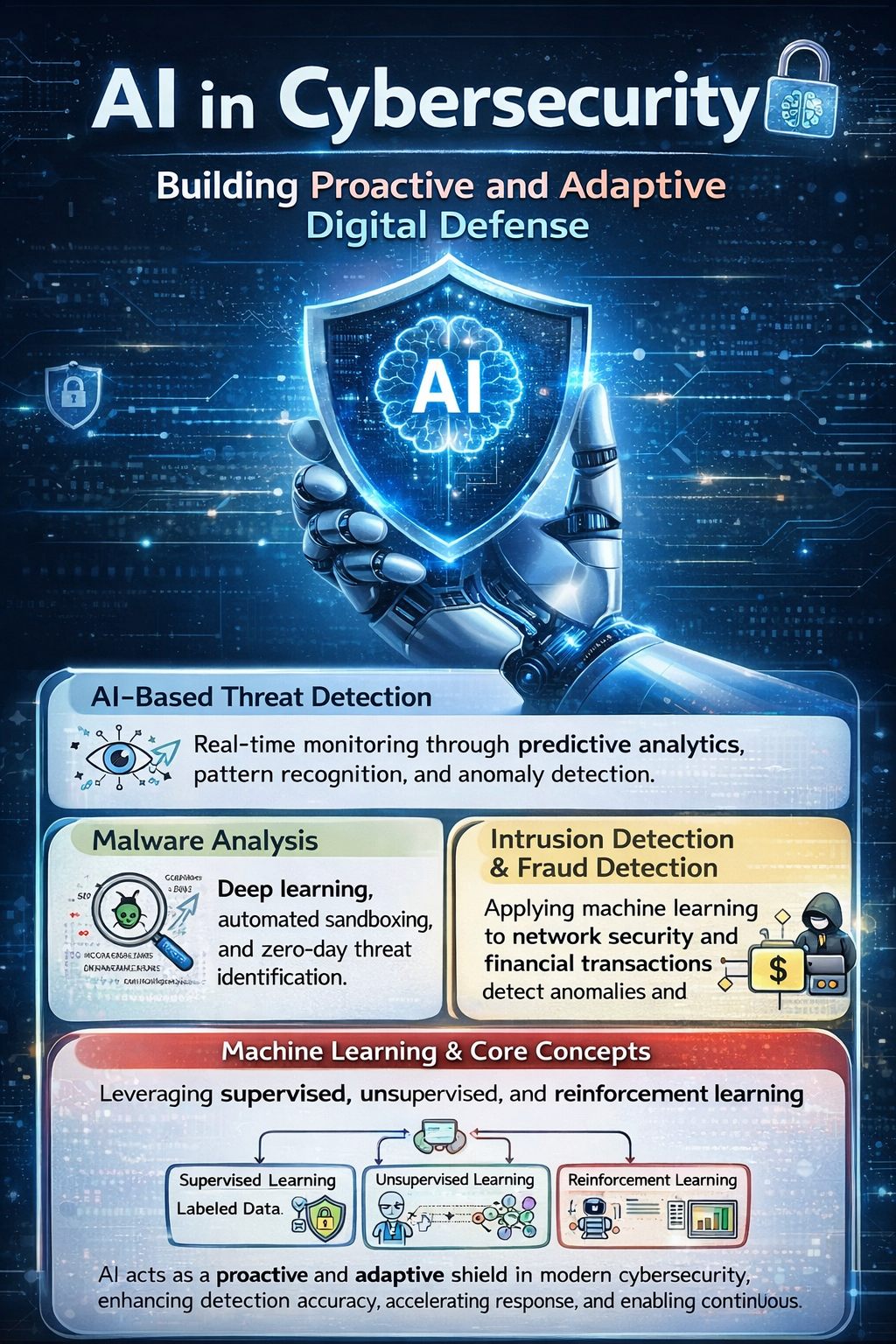
Artificial intelligence is reshaping cybersecurity by shifting defenses from reactive protection to proactive and adaptive resilience. Instead of only responding after an breach occurs, AI enables organizations to continuously monitor systems, detect emerging threats, and respond in real time. By combining advanced analytics with machine learning, AI strengthens every layer of cybersecurity—from threat detection to fraud prevention—creating a more intelligent and responsive security posture.

AI-Based Threat Detection

AI-powered threat detection focuses on real-time monitoring and early identification of suspicious behavior. Using predictive analytics, pattern recognition, and behavioral anomaly detection, AI systems learn what “normal” activity looks like and quickly flag deviations. This allows security teams to catch threats that traditional rule-based tools might miss. In my view, AI significantly improves this category by reducing detection time and helping organizations move from reactive incident response to continuous, intelligent threat hunting.

Malware Analysis

In malware analysis, AI uses deep learning and automated sandboxing to examine suspicious files and behaviors without relying solely on known signatures. This enables the identification of previously unseen or zero-day threats. By analyzing how software behaves rather than just matching patterns, AI can uncover sophisticated attacks faster. I see AI as a force multiplier here—it accelerates analysis, reduces manual workload, and improves the ability to defend against rapidly evolving malware.

Intrusion Detection Systems (IDS) and Fraud Detection

AI enhances intrusion detection systems by applying machine learning to network security monitoring. These systems identify unusual traffic patterns and suspicious activities that may indicate an intrusion. Similarly, in fraud detection—especially in financial transactions—AI evaluates transaction behavior, risk scores, and user authentication signals to detect anomalies. From my perspective, AI’s strength in this area lies in its ability to process massive volumes of data and uncover subtle patterns, making defenses more scalable and precise.

Machine Learning Models and Core Concepts

At the core of AI in cybersecurity are machine learning approaches such as supervised learning, unsupervised learning, and reinforcement learning. Supervised learning uses labeled data for classification and prediction tasks, unsupervised learning discovers hidden structures and clusters in unlabeled data, and reinforcement learning improves decisions through trial and feedback. Together, these methods form the technical backbone that enables adaptive and intelligent security systems. I believe understanding these models is essential, as they drive the innovation that allows cybersecurity tools to evolve alongside emerging threats.

Overall, AI acts as a proactive and adaptive shield for modern cybersecurity. By improving detection accuracy, accelerating response times, and enabling continuous learning, AI helps organizations stay ahead of increasingly complex threats and maintain a stronger security posture.

InfoSec services | InfoSec books | Follow our blog | DISC llc is listed on The vCISO Directory | ISO 27k Chat bot | Comprehensive vCISO Services | ISMS Services | AIMS Services | Security Risk Assessment Services | Mergers and Acquisition Security

At DISC InfoSec, we help organizations navigate this landscape by aligning AI risk management, governance, security, and compliance into a single, practical roadmap. Whether you are experimenting with AI or deploying it at scale, we help you choose and operationalize the right frameworks to reduce risk and build trust. Learn more at DISC InfoSec.

Tags: AI in Cybersecurity


Feb 12 2026

AI in Cybersecurity: From Intelligent Threat Detection to Adaptive Defense

Category: AI,Cyber Threats,Threat detection,Threat Modelingdisc7 @ 10:05 am

— From Reactive Defense to Intelligent Protection

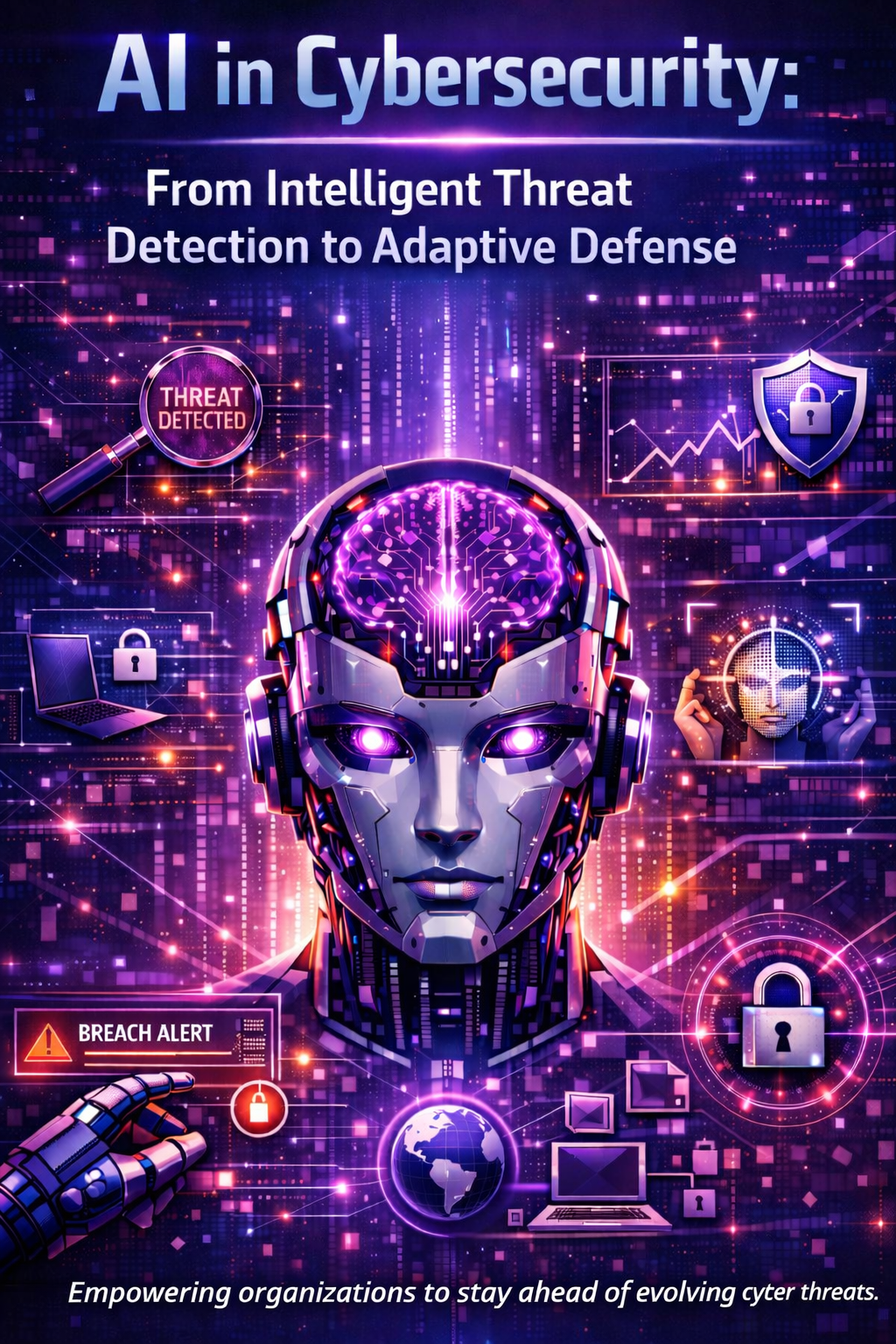
Artificial intelligence is fundamentally changing the way organizations defend against cyber threats. As digital ecosystems expand and attackers become more sophisticated, traditional security tools alone are no longer enough. AI introduces speed, scale, and intelligence into cybersecurity operations, enabling systems to detect and respond to threats in real time. This shift marks a transition from reactive defense to proactive and predictive protection.

One of the most impactful uses of AI is in AI-powered threat hunting. Instead of waiting for alerts, AI continuously scans massive volumes of network data to uncover hidden or emerging threats. By recognizing patterns and anomalies that humans might miss, AI helps security teams identify suspicious behavior early. This proactive capability reduces dwell time and strengthens overall situational awareness.

Another critical capability is dynamic risk assessment. AI systems continuously evaluate vulnerabilities and changing threat landscapes, updating risk profiles in real time. This allows organizations to prioritize defenses and allocate resources where they matter most. Adaptive risk modeling ensures that security strategies evolve alongside emerging threats rather than lag behind them.

AI also strengthens endpoint security by monitoring devices such as laptops, servers, and mobile systems. Through behavioral analysis, AI can detect unusual activities and automatically isolate compromised endpoints. Continuous monitoring helps prevent lateral movement within networks and minimizes the potential impact of breaches.

AI-driven identity protection enhances authentication and access control. By analyzing behavioral patterns and biometric signals, AI can distinguish legitimate users from impostors. This reduces the risk of credential theft and unauthorized access while enabling more seamless and secure user experiences.

Another key advantage is faster incident response. AI accelerates detection, triage, and remediation by automating routine tasks and correlating threat intelligence instantly. Security teams can respond to incidents in minutes rather than hours, limiting damage and downtime. Automation also reduces alert fatigue and improves operational efficiency.

The image also highlights adaptive defense, where AI-driven systems learn from past attacks and continuously refine their protective measures. These systems evolve alongside threat actors, creating a feedback loop that strengthens defenses over time. Adaptive security architectures make organizations more resilient to unknown or zero-day threats.

To counter threats using AI-powered threat hunting, organizations should deploy machine learning models trained on diverse threat intelligence and integrate them with human-led threat analysis. Combining automated discovery with expert validation ensures both speed and accuracy while minimizing false positives.

For dynamic risk assessment, companies should implement AI-driven risk dashboards that integrate vulnerability scanning, asset inventories, and real-time telemetry. In endpoint security, AI-based EDR (Endpoint Detection and Response) tools should be paired with automated isolation policies. For identity protection, behavioral biometrics and zero-trust frameworks should be reinforced by AI anomaly detection. To enable faster incident response, orchestration and automated response playbooks are essential. Finally, adaptive defense requires continuous learning pipelines that retrain models with updated threat data and feedback from security operations.

Overall, AI is becoming a central pillar of modern cybersecurity. It amplifies human expertise, accelerates detection and response, and enables organizations to defend against increasingly complex threats. However, AI is not a standalone solution—it must be combined with governance, skilled professionals, and ethical safeguards. When used responsibly, AI transforms cybersecurity from a defensive necessity into a strategic advantage that prepares organizations for the evolving digital future.

InfoSec services | InfoSec books | Follow our blog | DISC llc is listed on The vCISO Directory | ISO 27k Chat bot | Comprehensive vCISO Services | ISMS Services | AIMS Services | Security Risk Assessment Services | Mergers and Acquisition Security

At DISC InfoSec, we help organizations navigate this landscape by aligning AI risk management, governance, security, and compliance into a single, practical roadmap. Whether you are experimenting with AI or deploying it at scale, we help you choose and operationalize the right frameworks to reduce risk and build trust. Learn more at DISC InfoSec.

Tags: Adaptive defense, AI in Cybersecurity


Oct 21 2025

AI in Cybersecurity: Sword, Shield, and Strategy

Category: AI,AI Governance,AI Guardrailsdisc7 @ 11:13 am

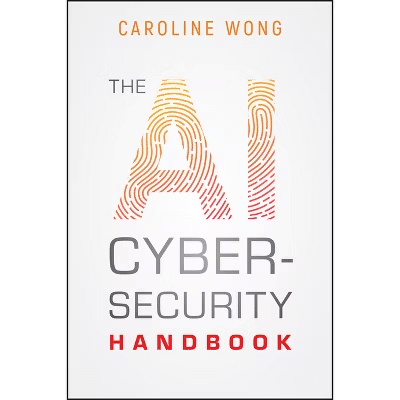
Thank you for your interest in The AI Cybersecurity Handbook by Caroline Wong. This upcoming release, scheduled for March 23, 2026, offers a comprehensive exploration of how artificial intelligence is reshaping the cybersecurity landscape.

Overview

In The AI Cybersecurity Handbook, Caroline Wong delves into the dual roles of AI in cybersecurity—both as a tool for attackers and defenders. She examines how AI is transforming cyber threats and how organizations can leverage AI to enhance their security posture. The book provides actionable insights suitable for cybersecurity professionals, IT managers, developers, and business leaders.


Offensive Use of AI

Wong discusses how cybercriminals employ AI to automate and personalize attacks, making them more scalable and harder to detect. AI enables rapid reconnaissance, adaptive malware, and sophisticated social engineering tactics, broadening the impact of cyberattacks beyond initial targets to include partners and critical systems.


Defensive Strategies with AI

On the defensive side, the book explores how AI can evolve traditional, rules-based cybersecurity defenses into adaptive models that respond in real-time to emerging threats. AI facilitates continuous data analysis, anomaly detection, and dynamic mitigation processes, forming resilient defenses against complex cyber threats.


Implementation Challenges

Wong addresses the operational barriers to implementing AI in cybersecurity, such as integration complexities and resource constraints. She offers strategies to overcome these challenges, enabling organizations to harness AI’s capabilities effectively without compromising on security or ethics.


Ethical Considerations

The book emphasizes the importance of ethical considerations in AI-driven cybersecurity. Wong discusses the potential risks of AI, including bias and misuse, and advocates for responsible AI practices to ensure that security measures align with ethical standards.


Target Audience

The AI Cybersecurity Handbook is designed for a broad audience, including cybersecurity professionals, IT managers, developers, and business leaders. Its accessible language and practical insights make it a valuable resource for anyone involved in safeguarding digital assets in the age of AI.


Opinion

The AI Cybersecurity Handbook by Caroline Wong is a timely and essential read for anyone involved in cybersecurity. It provides a balanced perspective on the challenges and opportunities presented by AI in the security domain. Wong’s expertise and clear writing make complex topics accessible, offering practical strategies for integrating AI into cybersecurity practices responsibly and effectively.

“AI is more dangerous than most people think.”
— Sam Altman, CEO of OpenAI

As AI evolves beyond prediction to autonomy, the risks aren’t just technical — they’re existential. Awareness, AI governance, and ethical design are no longer optional; they’re our only safeguards.

“AI is already the single largest uncontrolled channel for corporate data exfiltration—bigger than shadow SaaS or unmanaged file sharing.”

Click the ISO 42001 Awareness Quiz — it will open in your browser in full-screen mode

iso42001_quizDownload

Protect your AI systems — make compliance predictable.
Expert ISO-42001 readiness for small & mid-size orgs. Get a AI Risk vCISO-grade program without the full-time cost.

Secure Your Business. Simplify Compliance. Gain Peace of Mind

Check out our earlier posts on AI-related topics: AI topic

InfoSec services | InfoSec books | Follow our blog | DISC llc is listed on The vCISO Directory | ISO 27k Chat bot | Comprehensive vCISO Services | ISMS Services | Security Risk Assessment Services | Mergers and Acquisition Security

Tags: AI in Cybersecurity