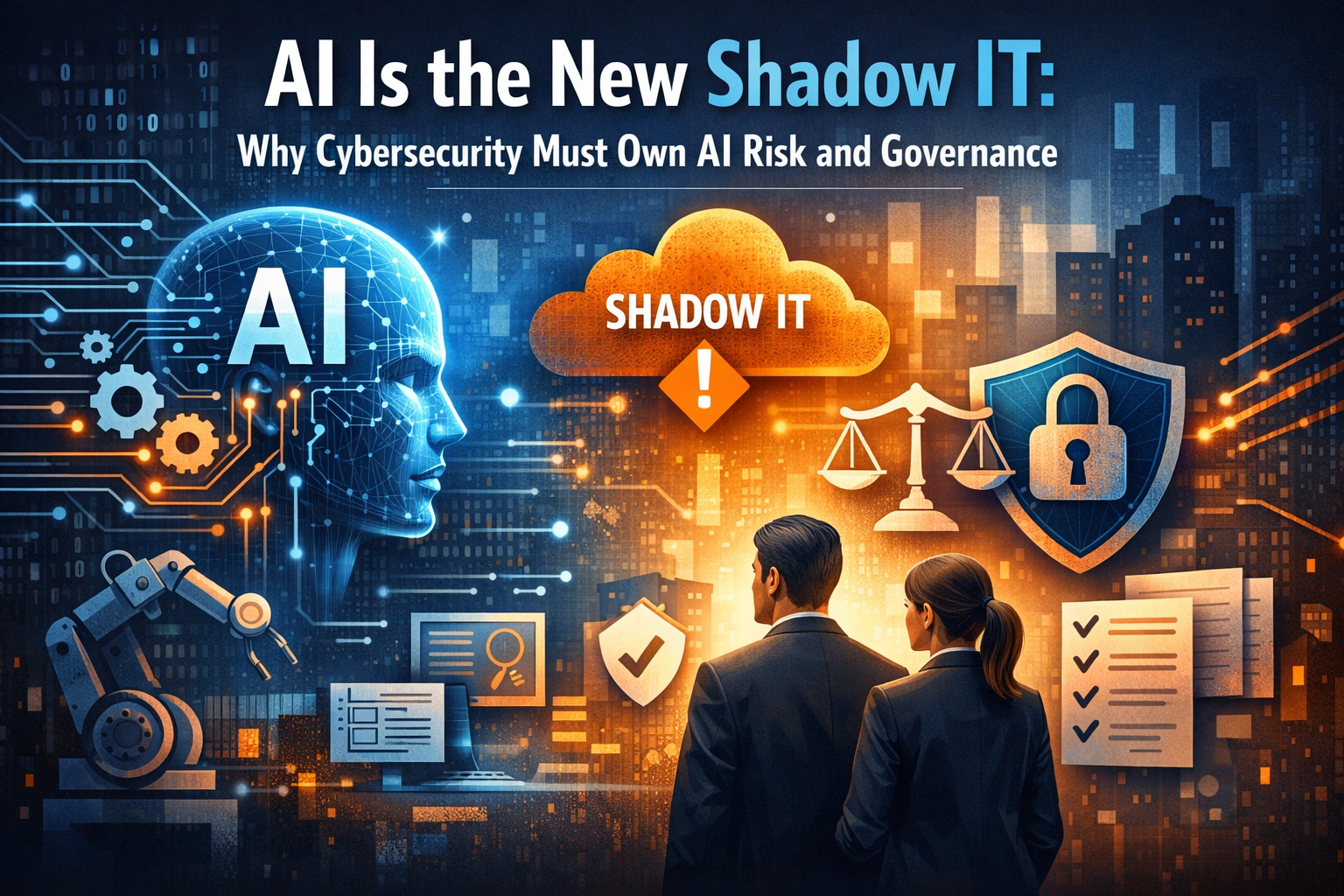
Many organizations claim they’re taking a cautious, wait-and-see approach to AI adoption. On paper, that sounds prudent. In reality, innovation pressure doesn’t pause just because leadership does. Developers, product teams, and analysts are already experimenting with autonomous AI agents to accelerate coding, automate workflows, and improve productivity.
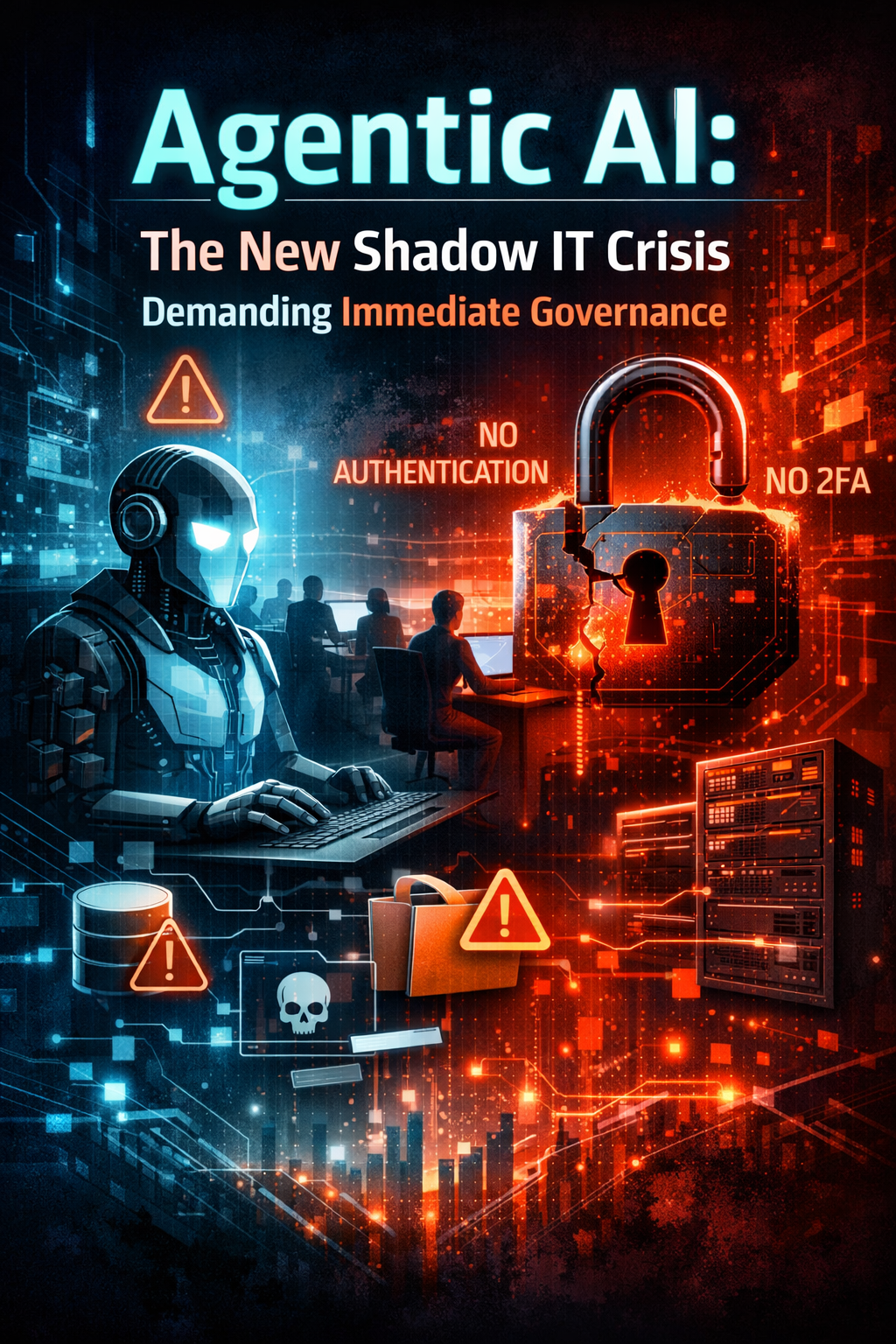
The problem isn’t experimentation — it’s invisibility. When half of a development team starts relying on a shared agentic AI server with no authentication controls or without even basic 2FA, you don’t just have a tooling decision. You have an ungoverned risk surface expanding in real time.
Agentic systems are fundamentally different from traditional SaaS tools. They don’t just process inputs; they act. They write code, query data, trigger workflows, and integrate with internal systems. If access controls are weak or nonexistent, the blast radius isn’t limited to a single misconfiguration — it extends to source code, sensitive data, and production environments.
This creates a dangerous paradox. Leadership believes AI adoption is controlled because there’s no formal rollout. Meanwhile, the organization is organically integrating AI into core processes without security review, risk assessment, logging, or accountability. That’s classic Shadow IT — just more powerful, autonomous, and harder to detect.
Even more concerning is the authentication gap. A shared AI endpoint without identity binding, role-based access control, audit trails, or MFA is effectively a privileged insider with no supervision. If compromised, you may not even know what the agent accessed, modified, or exposed. For regulated industries, that’s not just operational risk — it’s compliance exposure.
The productivity gains are real. But so is the unmanaged risk. Ignoring it doesn’t slow adoption; it only removes visibility. And in cybersecurity, loss expectancy grows fastest in the dark.
Why AI Governance Is Imperative
AI governance becomes imperative precisely because agentic systems blur the line between user and system action. When AI can autonomously execute tasks, access data, and influence business decisions, traditional IT governance models fall short. You need defined accountability, access controls, monitoring standards, risk classification, and acceptable use boundaries tailored specifically for AI.
Without governance, organizations face three compounding risks:
- Data leakage through uncontrolled prompts and integrations
- Unauthorized actions executed by poorly secured agents
- Regulatory exposure due to lack of auditability and control
In my perspective, the “wait-and-see” approach is not neutral — it’s a governance vacuum. AI will not wait. Developers will not wait. Competitive pressure will not wait. The only viable strategy is controlled enablement: allow innovation, but with guardrails.
AI governance isn’t about slowing teams down. It’s about preserving trust, reducing loss expectancy, and ensuring operational resilience in an era where software doesn’t just assist humans — it acts on their behalf.
The organizations that win won’t be the ones that blocked AI. They’ll be the ones that governed it early, intelligently, and decisively.
InfoSec services | InfoSec books | Follow our blog | DISC llc is listed on The vCISO Directory | ISO 27k Chat bot | Comprehensive vCISO Services | ISMS Services | AIMS Services | Security Risk Assessment Services | Mergers and Acquisition Security
At DISC InfoSec, we help organizations navigate this landscape by aligning AI risk management, governance, security, and compliance into a single, practical roadmap. Whether you are experimenting with AI or deploying it at scale, we help you choose and operationalize the right frameworks to reduce risk and build trust. Learn more at DISC InfoSec.
Data Governance & Privacy Program
- AI Governance Enforcement: The Foundation for Scaling AI Governance Effectively
- Securing LLM-Powered Enterprises: From Invisible Threats to Operational Resilience
- Cyber Resilience Maturity Model: From Reactive Security to Operational Resilience
- From Risk to Resilience: A 5-Step Playbook for Securing AI in the Modern Threat Era
- Which AI Governance Framework Should You Adopt First? A Practical Guide for U.S., EU, and Global Organizations