- Image via Wikipedia

With the economy in the tank, breach of privacy is not going to be a priority in Obama’s administration to do list. It will be quite difficult to make it a priority when Obama has signed a bill indemnifying telcos from suits due to privacy breaches.
During the presidential election campaign, Verizon employee gained unauthorized access to President-elect Obama’s mobile phone records. You might assume that if telcos are having a hard time protecting the privacy of high profile individuals, how would that make you feel as a cell phone owner? Don’t you wonder why the mainstream media didn’t publicize this case of high profile privacy breach more widely?
Basically Telcos have been immunized from privacy lawsuits so that big brother can snoop around our private phone records as they please. In this instance, law only applies to people and makes it illegal to snoop on each other but the telecom entities have been granted an exception by congress. Legal ruling require law enforcement to meet high “probable cause” standard before acquiring cell phone record. In recent report, document obtained by civil liberties group under FOIA request suggest that “triggerfish” technology can be used to pinpoint cell phone without involving cell phone provider and user knowing about it.
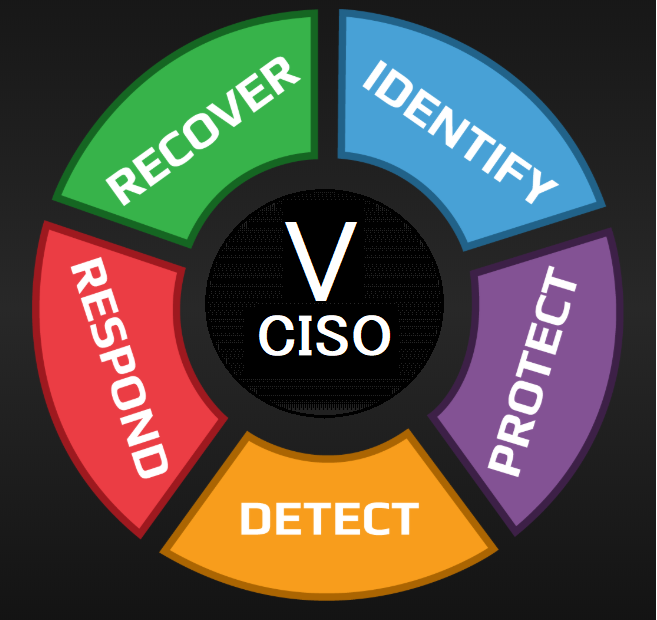
Organizations should implement directive, preventive and detective controls to protect the privacy of information. Where directive controls include the policies, procedures, and training. Preventive controls deal with the separation of duties, principle of least privilege, network, application and data controls. Detective controls involve auditing, logging and monitoring.
Verizon case shows lack of detective controls. Organization should have a clearly defined privacy policy which states that private information should be logged, monitored and audited. High profile individual should be identified and documented and reviews of audit logs should be conducted to identify inappropriate access to the privacy information of high profile individuals. The authorized person who has access to private information should be audited on regular basis to find out if they are following the privacy policies and procedures of the company. For privacy information, log who accessed which data, for who and when. Managers should train and monitor subordinate to help protect privacy information, which not only educate the subordinate but also serve as a major deterrence. Privacy is an essential ingredient of liberty and must be guarded with utmost due diligence.
“Those who give up essential liberty to purchase a little temporary safety deserve neither liberty nor safety” Benjamin Franklin
Presidential Phone Compromised
Privacy Debate: Shouldn’t Public Demand High Threshold?
httpv://www.youtube.com/watch?v=HR6IEz4T7Yw
![Reblog this post [with Zemanta]](https://img.zemanta.com/reblog_e.png?x-id=cfd48ae7-5a1d-4bec-bec0-786b2dbb25ac)