10 key reasons why securing AI agents is essential
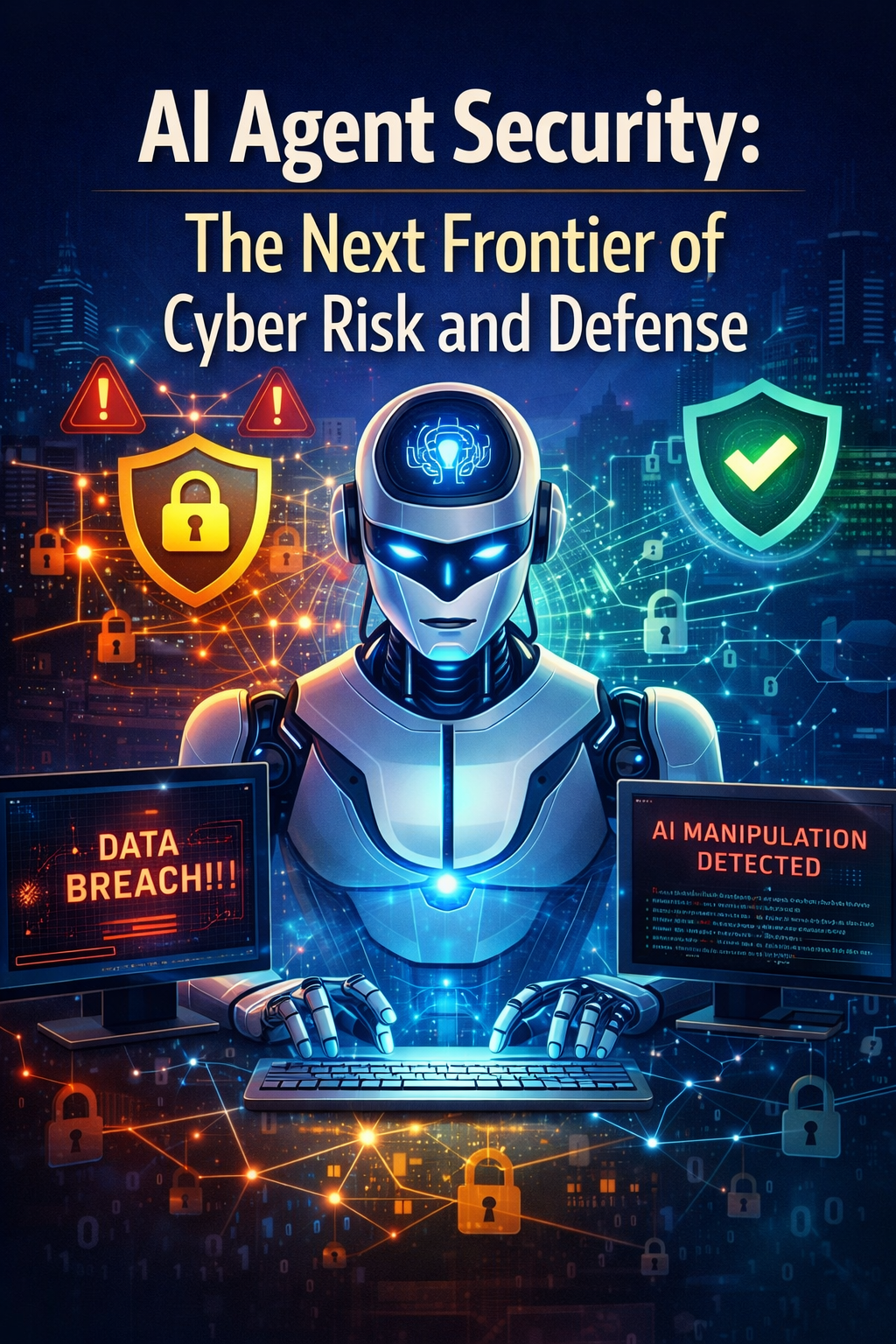
1. Artificial intelligence is rapidly becoming embedded in everyday digital tools — from chatbots to virtual assistants — and this evolution has introduced a new class of autonomous systems called AI agents that can understand, respond, and even make decisions independently.
2. Unlike traditional AI, which simply responds to commands, AI agents can operate continuously, interact with multiple systems, and perform complex tasks on behalf of users, making them extremely powerful helpers.
3. But with that autonomy comes risk: agents often access sensitive data, execute actions, and connect to other applications with minimal human oversight — which means attackers could exploit these capabilities to do significant harm.
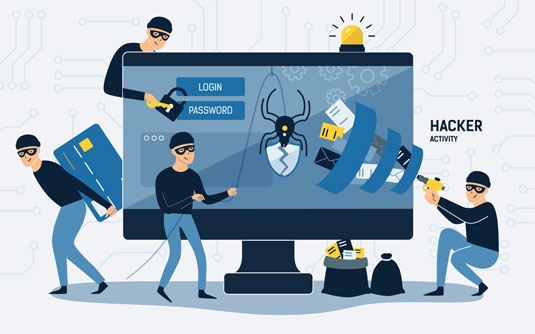
4. Hackers no longer have to “break in” through conventional vulnerabilities like weak passwords. Instead, they can manipulate how an AI agent interprets instructions, using crafted inputs to trick the agent into revealing private information or taking harmful actions.
5. These new attack vectors are fundamentally different from classic cyberthreats because they exploit the behavioral logic of the AI rather than weaknesses in software code or network defenses.
6. Traditional security tools — firewalls, antivirus software, and network encryption — are insufficient for defending such agents, because they don’t monitor the intent behind what the AI is doing or how it can be manipulated by inputs.
7. Additionally, security is not just a technology issue; humans influence AI through data and instructions, so understanding how people interact with agents and training users to avoid unsafe inputs is also part of securing these systems.
8. The underlying complexity of AI — its ability to learn and adapt to new information — means that its behavior can be unpredictable and difficult to audit, further complicating security efforts.
9. Experts argue that AI agents need guardrails similar to traffic rules for autonomous vehicles: clear limits, behavior monitoring, access controls, and continuous oversight to prevent misuse or unintended consequences.
10. Looking ahead, securing AI agents will require new defensive strategies — from building security into AI design to implementing runtime behavior monitoring and shaping governance frameworks — because agent security is becoming a core pillar of overall cyber defense.
Opinion
AI agents represent one of the most transformative technological shifts in modern computing — and their security challenges are equally transformative. While their autonomy unlocks efficiency and capability, it also introduces entirely new attack surfaces that traditional cybersecurity tools weren’t designed to handle. Investing in agent-specific security measures isn’t just proactive, it’s essential — the sooner organizations treat AI security as a strategic priority rather than an afterthought, the better positioned they’ll be to harness AI safely and responsibly.
InfoSec services | InfoSec books | Follow our blog | DISC llc is listed on The vCISO Directory | ISO 27k Chat bot | Comprehensive vCISO Services | ISMS Services | AIMS Services | Security Risk Assessment Services | Mergers and Acquisition Security
At DISC InfoSec, we help organizations navigate this landscape by aligning AI risk management, governance, security, and compliance into a single, practical roadmap. Whether you are experimenting with AI or deploying it at scale, we help you choose and operationalize the right frameworks to reduce risk and build trust. Learn more at DISC InfoSec.
- Secure Your Web & API Applications Before Attackers Do: Reduce Vulnerabilities
- Is ISO 27001 Training Right for You? Here’s Who Should Consider It
- Top 15 Kali Linux Tools for AI Governance with Use Cases
- Risk Management with GRC platform: Mapping ISO 42001 Clause 6 to AI Governance
- Guardrails for Agentic AI: Security Measures to Prevent Excessive Agency